

Reactive Dog Training in Harlow: What Actually Works?
If you own a reactive dog, you've probably experienced the frustration of walks that leave you feeling stressed, embarrassed or even anxious. One moment your dog is walking calmly, and the next they're barking, lunging or fixating on another dog, a person or a passing cyclist.
With so much advice available online, it's easy to become overwhelmed. Some people recommend correcting the behaviour, others suggest avoiding every trigger, while some focus entirely on teaching obedience. The truth is that there isn't a single exercise or command that magically "fixes" reactivity.
At ASCENDK9, we believe that successful reactive dog training is about much more than stopping a dog from reacting in the moment. It's about helping them develop the confidence, understanding and emotional resilience to make better choices, while giving owners the practical skills to handle situations safely and confidently.
Understanding Reactivity
Reactivity isn't a diagnosis or a personality trait. It's simply a behavioural response to something in the environment that your dog finds difficult to cope with.
For one dog, that may be another dog walking towards them. For another, it might be runners, cyclists or unfamiliar people. Some dogs react because they're worried, others because they're frustrated, over-aroused or simply haven't learned how to respond appropriately.
Although the behaviour may look similar, the motivation behind it can be very different. That's why every reactive dog deserves an individual training plan rather than a one-size-fits-all approach.
During an initial assessment, we take the time to understand your dog's history, identify their triggers and discuss your goals before creating a training plan tailored to you. This ensures we're working on the behaviours that matter most while progressing at a pace your dog can cope with.
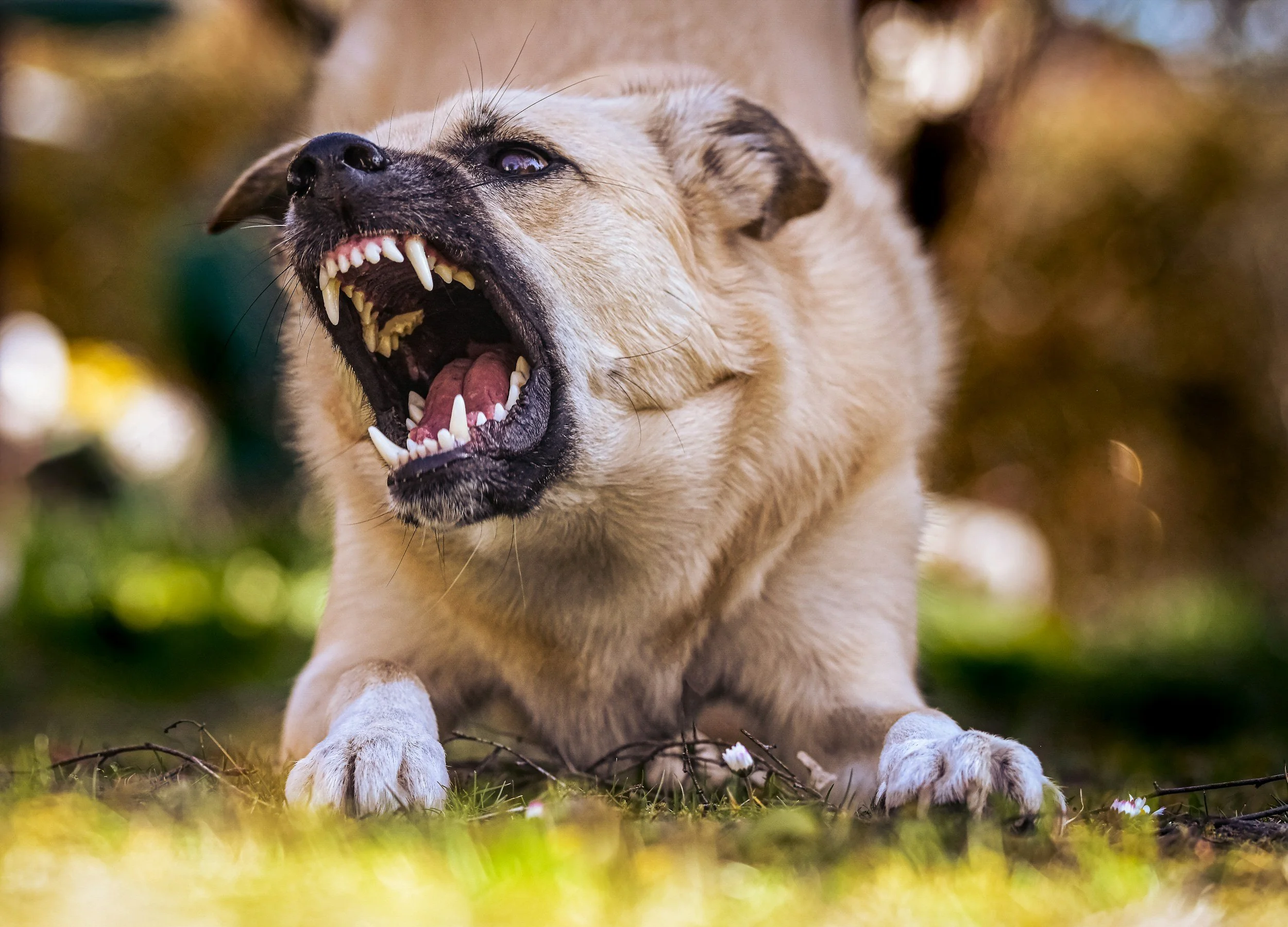
Every reactive dog has different triggers and motivations.
Why We Don't Start With Obedience
One of the biggest misconceptions about reactive dog training is that teaching more obedience will solve the problem.
Obedience is incredibly valuable, and it's something we absolutely include within our training programmes. However, expecting a dog to perform obedience around a trigger before they have the motivation and emotional capacity to do so often sets both the dog and the owner up for frustration.
Imagine asking someone to complete a complicated task while they're overwhelmed with emotion. Even if they know exactly what to do, they're unlikely to perform at their best.
Reactive dogs are no different.
If all of their attention is fixed on another dog or person, they have very little capacity left to engage with their handler.
Instead of immediately asking for perfect heelwork or multiple obedience commands, we first focus on helping the dog discover that paying attention to their owner is rewarding and worthwhile.
Building Engagement First
Before we ask a dog to make good decisions around distractions, we need to give them a reason to choose us.
This is where engagement becomes the foundation of our training.
Engagement is much more than making eye contact. It's about building a relationship where the dog actively wants to work with their handler because good things happen when they do.
Using positive reinforcement, we reward the behaviours we want to see more often. Every voluntary check-in, every moment of focus and every decision to disengage from the environment helps strengthen the dog's understanding that choosing their owner leads to positive outcomes.
As those experiences are repeated, the dog's motivation to stay connected begins to grow.
This gives us something incredibly valuable - a dog that wants to work with us, even when life becomes more challenging.
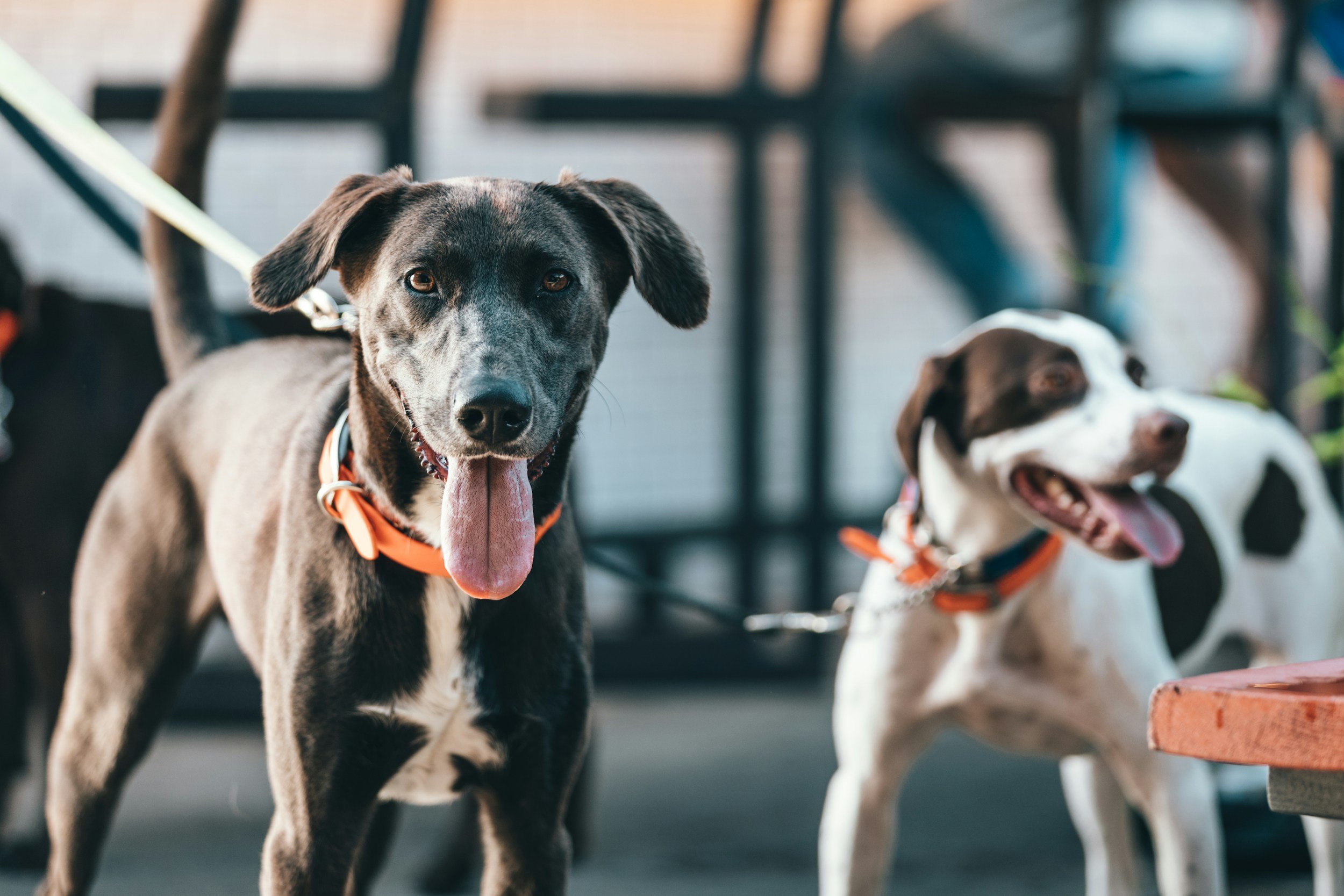
Reactive dogs benefit from gradual exposure to distractions.
Teaching Dogs to Disengage
One of the most important skills a reactive dog can learn is how to disengage from a trigger.
Many reactive dogs become completely fixated on whatever has captured their attention. The longer they remain focused, the more likely they are to react.
Rather than simply trying to interrupt that behaviour, we teach the dog that looking away from the trigger and reconnecting with their handler is rewarding.
At first, this may happen in quieter environments or at distances where the dog is still able to think and learn successfully.
As their understanding grows, we gradually introduce more realistic situations while ensuring they continue to experience success.
Over time, disengaging becomes a learned behaviour rather than something the owner has to constantly remind the dog to do.
Where Obedience Fits In
Once we have begun building engagement and motivation, obedience becomes an incredibly useful tool.
Skills such as loose lead walking, place, recall and reliable positions give owners practical ways to manage their dogs in everyday life. They improve communication, provide structure and help prevent situations from escalating unnecessarily.
However, we don't view obedience as the solution to reactivity on its own.
Instead, it works alongside emotional development.
Teaching a dog to walk nicely on a lead is valuable, but it's even more valuable when that dog is also learning to feel calmer around their triggers and voluntarily choosing to stay engaged with their handler.
The two work together.
Why Changing Mindset Matters
It's entirely possible to influence a dog's behaviour in the moment without changing how they actually feel.
A dog may stop barking because they've been interrupted, redirected or asked to perform another behaviour. While that may help manage the situation, it doesn't automatically mean they've become more comfortable around the trigger itself.
For lasting progress, we want to help the dog develop a different emotional response over time.
Through carefully managed exposure, positive reinforcement and repeated successful experiences, many dogs begin to realise that the presence of another dog or person doesn't always predict something negative or overwhelming.
Instead, those situations become opportunities to reconnect with their owner, earn reinforcement and remain calm.
This is where genuine behavioural change begins to happen.
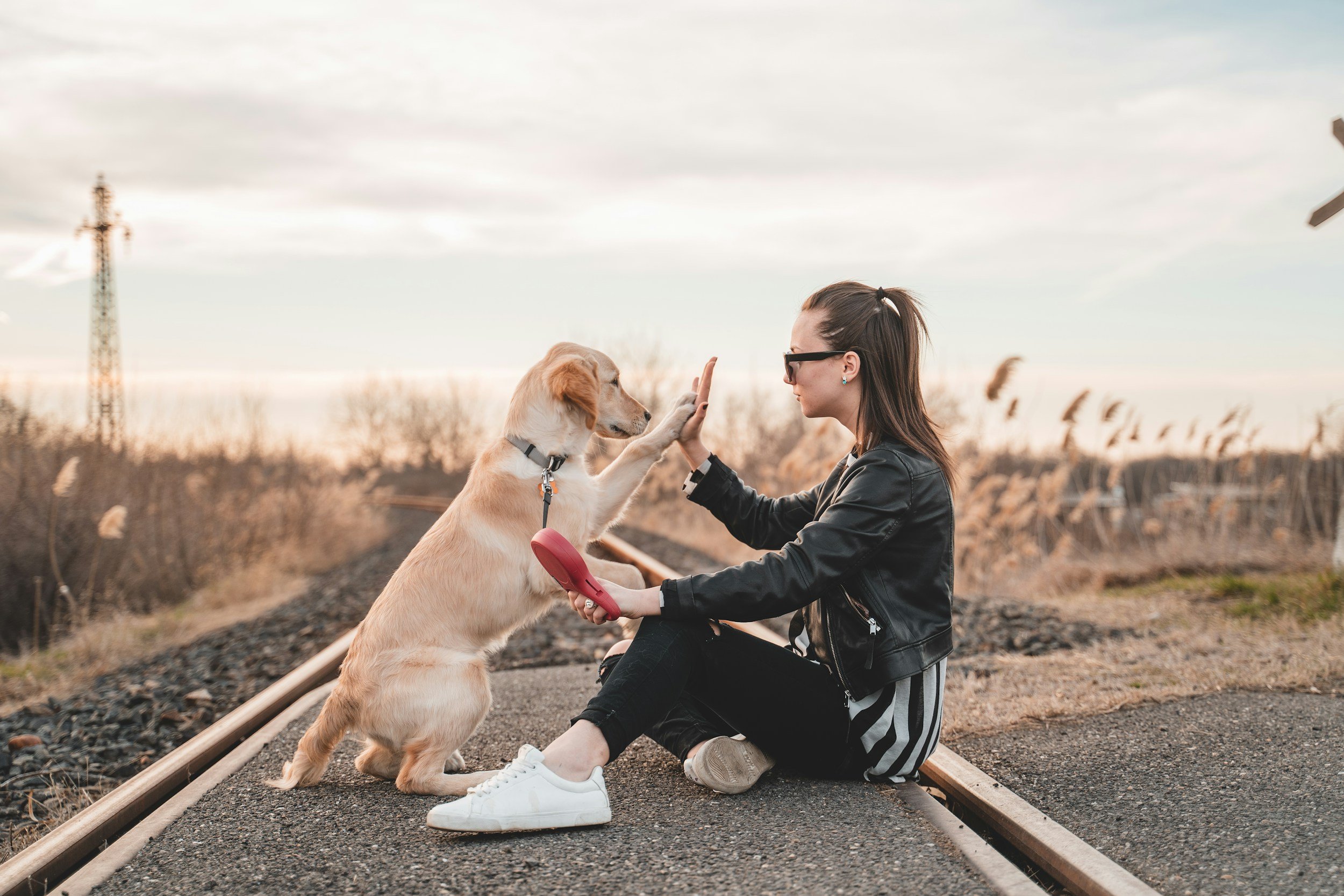
A strong relationship between dog and handler creates the foundation for reliable training in real-world environments.
Helping Owners Feel Confident
Reactive dog training isn't just about the dog.
Owners often lose confidence after experiencing repeated reactions on walks. Many begin avoiding certain places or changing their routines because they're worried about what might happen.
Our training is designed to support owners just as much as their dogs.
We teach practical handling skills, improve communication, explain why behaviours occur and help owners understand how to set their dogs up for success.
When owners feel calmer and more confident, they're better equipped to guide their dogs through challenging situations.
For many owners, finding the time or confidence to practice consistently can be challenging. Our Walk + Train programme allows us to begin building these skills with your dog while also coaching you on how to continue the training at home. This combination of professional handling and owner education helps create steady, long-term progress.
What Actually Works?
In our experience, there is no single exercise, piece of equipment or obedience command that "fixes" reactivity.
The greatest progress comes from combining several key elements:
Building motivation to work with the handler.
Creating strong engagement before expecting reliability around distractions.
Teaching dogs how to disengage from triggers.
Using positive reinforcement to strengthen calm, desirable behaviours.
Developing practical obedience skills that help owners manage situations safely.
Gradually changing the dog's emotional response through carefully planned training.
When these elements work together, we often see dogs becoming not only easier to handle, but genuinely more confident in the world around them.
Every reactive dog has a different story, and every owner has different goals.
There isn't a quick fix, but there is a path forward.
By focusing on motivation, engagement, emotional development and practical training, it's possible to build a dog that doesn't simply suppress their reactions, but learns new ways to respond to situations that once felt overwhelming.
At ASCENDK9, that's exactly what we aim to achieve. We don't just want dogs to appear calm - we want them to actually develop the confidence, understanding and skills to genuinely make better choices, creating safer, more enjoyable walks for both dog and owner.