

How Dogs Learn: A Simple Guide to Learning Theory
Dog training is often viewed as teaching commands, but effective training is about much more than asking a dog to sit, stay or come when called.
Every interaction we have with our dogs teaches them something.
Dogs are constantly learning from their environment, their experiences and the consequences of their choices. Understanding how this learning process works allows us to communicate more clearly, build stronger relationships and create behaviours that are reliable in everyday life.
Learning theory can sound complicated, but at its core, it explains something simple:
Dogs repeat behaviours that have previously worked for them and reduce behaviours that no longer provide value.

Dogs learn through repetition, experience and the consequences of their choices.
Dogs Learn Through Consequences
A key part of learning theory is understanding that behaviours have consequences.
If a behaviour produces something the dog values, they are more likely to repeat it in the future.
For example:
A dog sits calmly while their owner prepares food and receives a reward.
A dog checks in with their handler during a walk and gets praised or rewarded.
A dog recalls when called and gets access to something they enjoy.
Over time, the dog learns that these behaviours are worthwhile.
This doesn't mean dogs are constantly calculating their actions. Instead, through repetition and experience, they build associations between behaviours and outcomes.
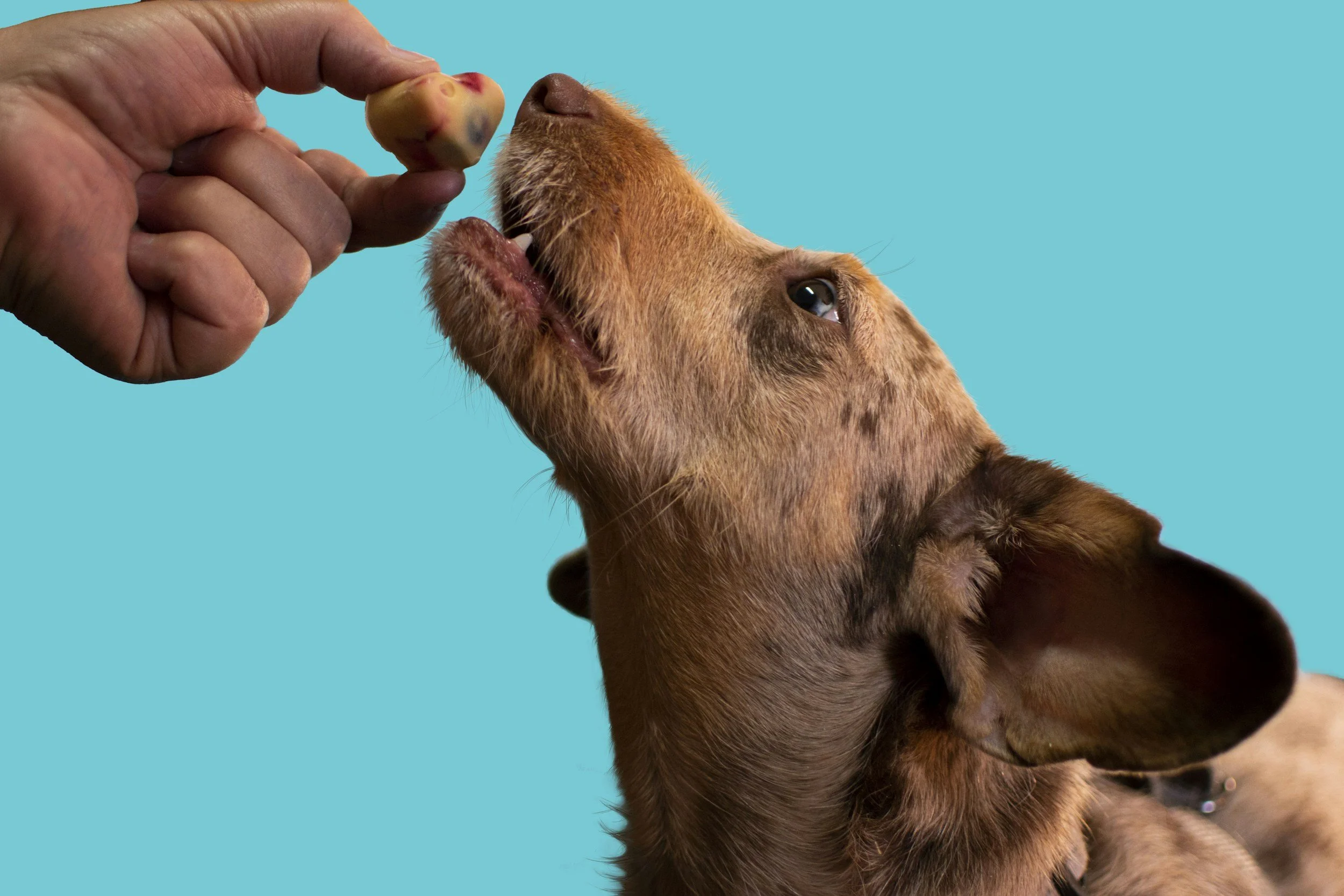
Motivation is the foundation of successful training because dogs learn best when they want to engage.
The Importance of Motivation
Motivation is one of the most important parts of successful training.
Before we can expect a dog to perform a behaviour reliably, we need to understand what matters to that individual dog.
Different dogs are motivated by different things:
Food
Toys
Play
Access to the environment
Social interaction
Praise
The opportunity to engage in natural behaviours
Good training is all about understanding what motivates them - and using that motivation to create willing participation.
A motivated dog is more likely to engage, learn and make better choices.

Rewarding the behaviours we want to see more often helps create reliable habits.
What Is Reinforcement?
Reinforcement simply means increasing the likelihood that a behaviour will happen again.
When a behaviour is reinforced, the dog learns:
"That choice worked for me."
Positive reinforcement involves adding something the dog values after a behaviour occurs.
For example:
A dog looks back at their owner instead of pulling towards another dog. The owner rewards that choice. The dog begins to understand that staying connected with their handler has value.
Over time, reinforcement helps build strong habits.

Dogs do not automatically generalise behaviours, which is why training must progress across different environments.
Timing Matters
One of the most important skills in dog training is timing.
Dogs don't understand our intentions - they understand what happens immediately before and after their behaviour.
If a dog sits and receives a reward several seconds later after they have already moved away, they may not understand which behaviour earned the reward.
Clear timing helps dogs understand exactly what they did right.
This is why markers such as a verbal "yes" can be so useful. They bridge the gap between the correct behaviour happening and the reward being delivered.
Dogs Don't Learn in Isolation
A behaviour that works perfectly at home may disappear completely in a new environment.
This is because dogs don't automatically understand that a behaviour applies everywhere.
A dog who can perform a perfect recall in the garden may struggle in a busy park because the environment has introduced new distractions, emotions and competing motivations.
This is why training needs to be gradually progressed.
We don't simply teach a behaviour - we build reliability through repetition in different situations.

Why Communication Matters More Than Commands
Many owners believe training is about teaching dogs more commands.
However, the best-trained dogs aren't successful because they know the most words. They're successful because they understand the communication system between themselves and their handler.
Clear communication helps dogs understand:
What behaviour is expected
When they have made the right choice
How to access rewards
How to navigate different environments
Training is a conversation, not just a list of instructions.
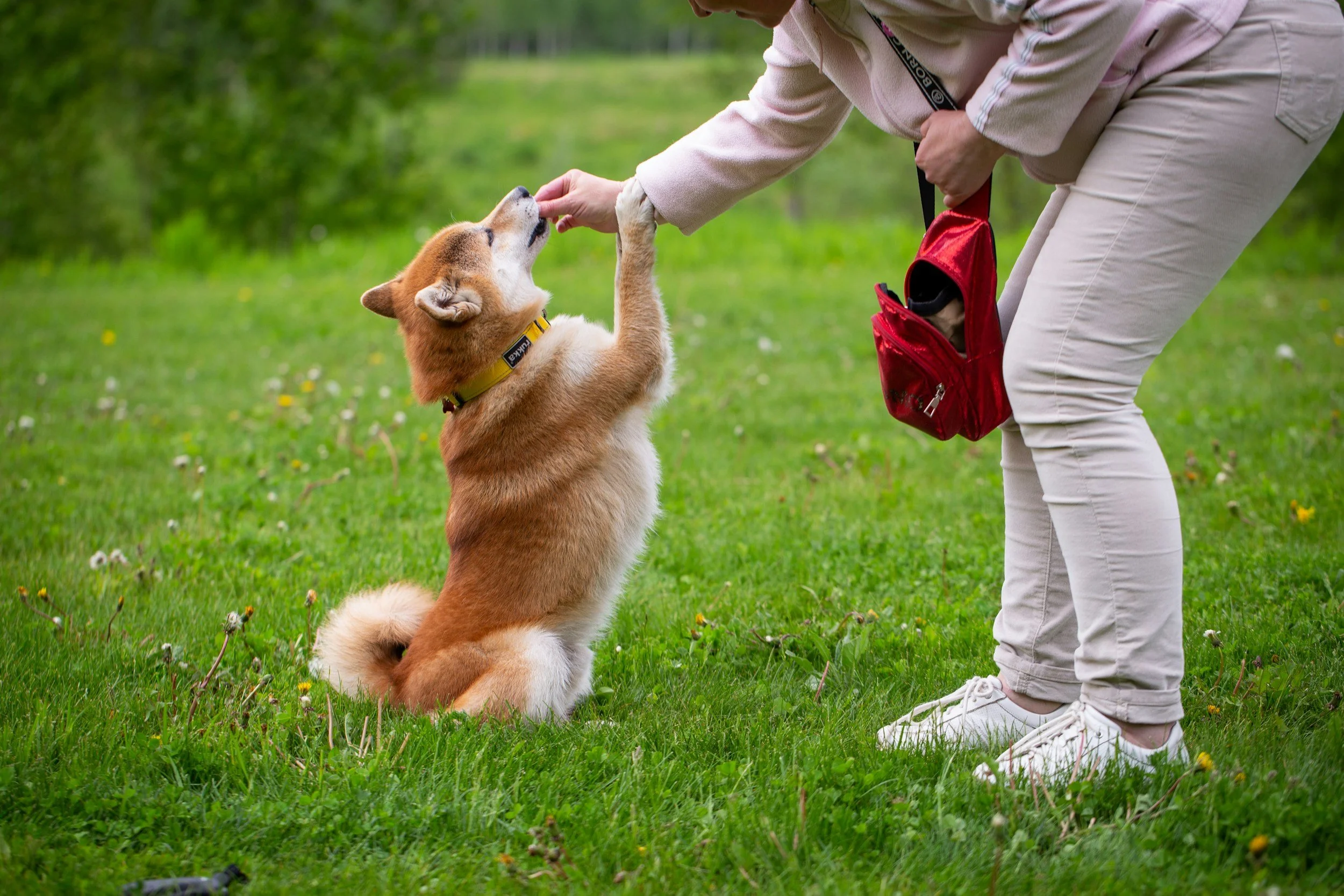
Every interaction is an opportunity for a dog to learn something new.
The Role of Mistakes in Learning
Mistakes are a normal part of the learning process.
Training isn't about expecting perfection immediately. It's about creating an environment where the dog can succeed, then gradually increasing difficulty.
If a dog struggles, it doesn't mean they are being stubborn or refusing to listen. It usually means the behaviour needs more reinforcement, the environment is too challenging, or the dog needs clearer communication.
Learning Theory and Behaviour Change
Understanding learning theory is especially important when working with behaviour challenges such as reactivity, anxiety or over-excitement.
For example, a reactive dog isn't simply choosing to ignore their owner. Their emotions, motivation and environment all influence their ability to respond.
This is why effective behaviour training often involves:
Building engagement
Increasing motivation
Teaching alternative behaviours
Changing emotional responses
Creating successful experiences
How We Use Learning Theory at ASCENDK9
At ASCENDK9, we believe training should create understanding, not just obedience.
Every dog learns differently, which is why we focus on building communication, motivation and engagement alongside practical obedience skills.
Whether we're working on loose lead walking, recall, confidence building or reactivity, the principles remain the same:
Clear communication.
Consistent reinforcement.
Appropriate progression.
A relationship built through trust and understanding.
When dogs understand what we are asking and are motivated to work with us, training becomes far more effective and enjoyable for everyone involved.
Conclusion
Learning theory gives us a better understanding of why dogs behave the way they do and how we can teach them effectively.
Dogs are always learning, whether we intentionally teach them or not.
By understanding motivation, reinforcement, timing and communication, we can become clearer trainers and better partners for our dogs.
Our goal is always to build a dog that understands, chooses the right behaviours and feels confident navigating the world with us.