
Why Does My Dog's Behaviour Get Worse During the Summer Holidays?
The summer holidays are a time many families look forward to. The routine changes, the days are longer, and there are more opportunities to spend time outdoors. For our dogs, however, these changes can sometimes lead to unexpected challenges.
If your dog suddenly seems more excitable, distracted, reactive, or difficult to live with during the summer months, you're not alone.
Changes in Routine Can Be Difficult for Dogs
Dogs thrive on predictability. Even small changes to their daily routine can have a noticeable impact on their behaviour.
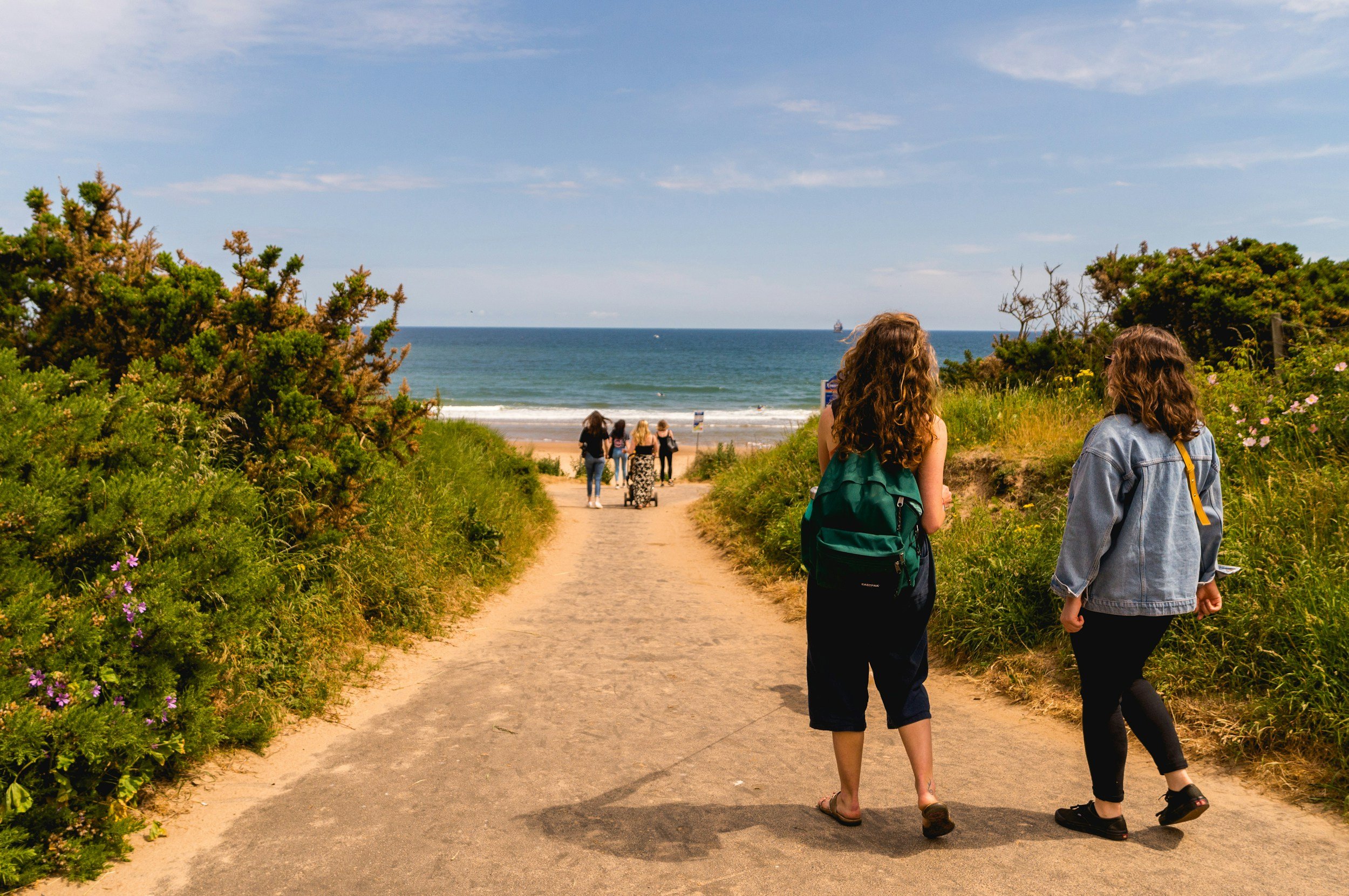
During the school holidays, dogs may suddenly find themselves sharing their home with children all day, experiencing different walk times, or spending more time alone while their owners are out enjoying summer activities.
These changes can lead to:
Increased excitement and over-arousal
Difficulty settling at home
Increased barking
Frustration and attention-seeking behaviours
Regression in training
More Exposure Doesn't Always Mean Better Behaviour!
Many owners naturally want to take advantage of the good weather and include their dog in more activities.
However, more trips, more visitors, more dogs, and busier environments can quickly become overwhelming.
Dogs who are regularly pushed beyond their comfort zone often become more reactive, more distracted, and less responsive to cues they normally know well.
Remember: quality experiences are often more valuable than quantity.
Summer Walks Are Often More Challenging
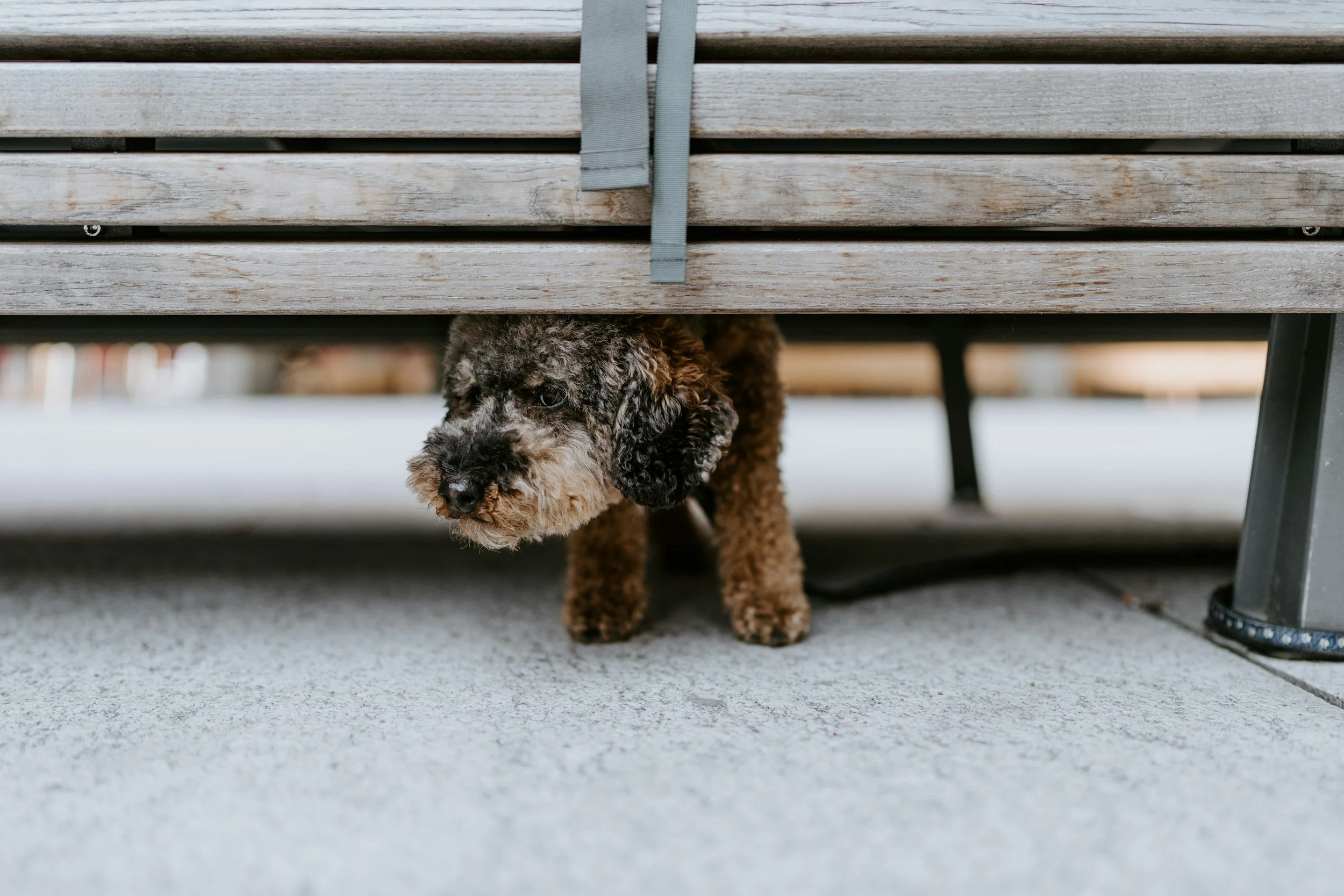
Parks and popular walking spots become significantly busier during the summer.
This means your dog may encounter:
More off-lead dogs
More children
Cyclists and runners
Picnics and food distractions
Increased noise and activity
For dogs working through reactivity, over-excitement, or obedience challenges, these environments can make training feel much harder than usual.
Don't Let Training Slip
It's easy to become more relaxed during the summer months, but consistency remains one of the biggest factors in long-term success.
Simple habits such as rewarding engagement, reinforcing good decisions, maintaining boundaries, and practicing obedience little and often can prevent setbacks from developing.
Training doesn't need to take hours. A few minutes throughout the day often makes a bigger difference than one long session each week.
Focus on What Your Dog Needs
While summer can be exciting for us, many dogs benefit from a balance of activity, enrichment, training, and rest.
Rather than trying to do more, ask yourself:
Is my dog getting enough downtime?
Are they coping well with increased activity?
Am I maintaining the routines that help them succeed?
Are they practising skills regularly?
Small adjustments can often make a huge difference.
Need Support?
If you're struggling with reactivity, over-excitement, recall, lead pulling, or general obedience, we offer private training, behaviour support, and group classes designed to help you build reliable skills for real-life situations.
The sooner you address a problem, the easier it is to change.
Get in touch to discuss how we can help you and your dog enjoy the rest of the summer with confidence.