

How to Stop Jumping Up Before It Becomes a Habit
Jumping up is one of the most common behaviours dog owners experience.
Whether it's your puppy launching themselves at visitors, your adolescent dog greeting people with too much enthusiasm, or your adult dog demanding attention with their paws on you, jumping can quickly become frustrating.
The good news is that dogs aren't jumping because they are trying to be difficult or "dominant". In most cases, they are repeating a behaviour that has worked for them.
Understanding why dogs jump and how they learn is the first step towards creating calmer greetings.
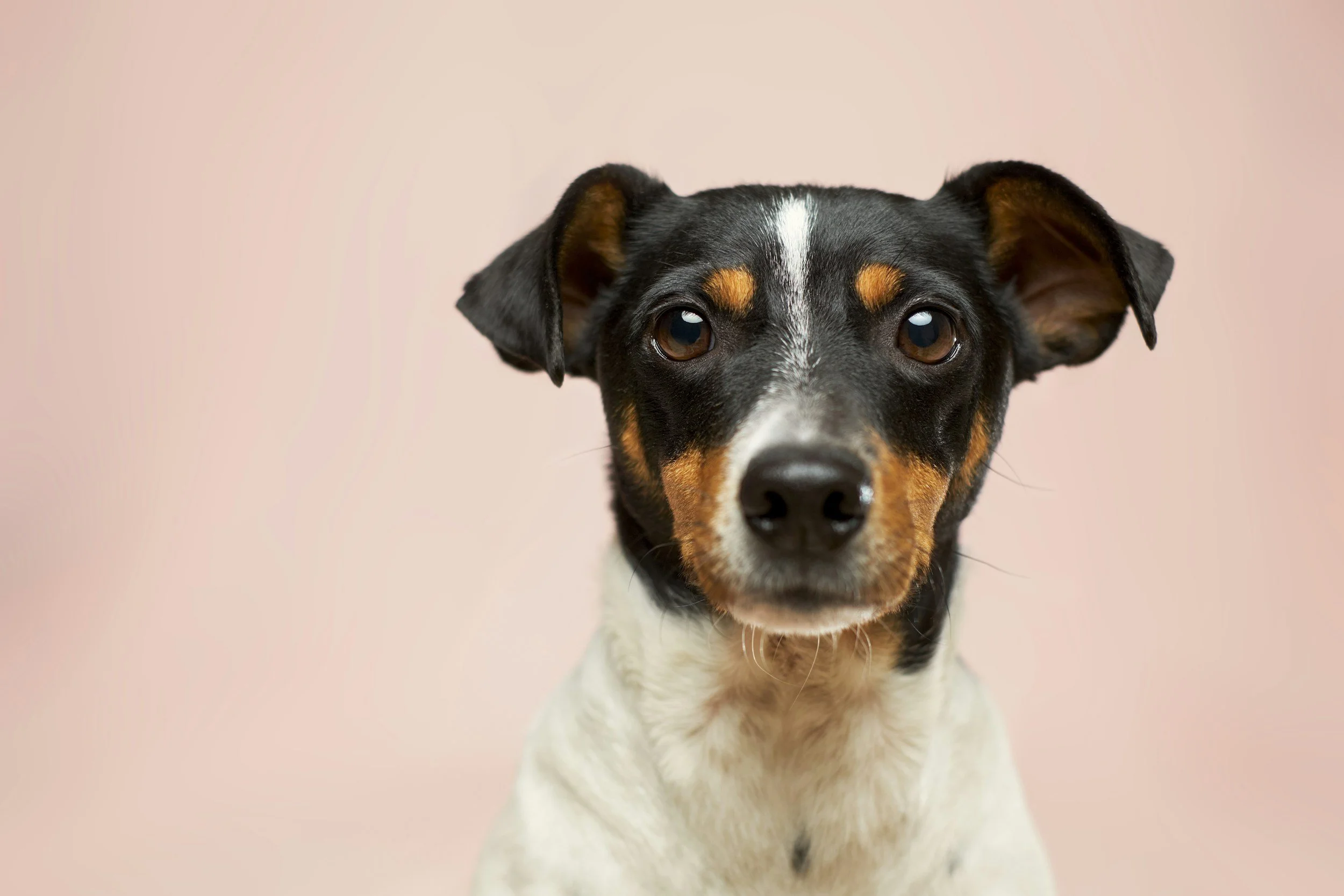
Why Do Dogs Jump Up?
Dogs jump up for several reasons, but the most common is simple:
It gets them something they want.
Dogs are naturally social animals. When they jump up, they are often trying to:
Get closer to our face.
Gain attention.
Say hello.
Start interaction.
Express excitement.
The problem is that jumping is often accidentally rewarded.
A person might push a dog away while laughing, speak to them, touch them or make eye contact. From the dog's perspective, they achieved their goal… they created interaction.
Even attention we consider negative can still be rewarding for some dogs.
Why Jumping Becomes a Habit
Dogs learn through consequences.
If jumping up has worked repeatedly in the past, the dog has no reason to stop trying.
For example:
A puppy jumps up and receives fuss.
The puppy learns:
"Jumping makes people interact with me"
Over time, this behaviour becomes stronger because it has been reinforced.
This is why prevention and early training are so important. The more a behaviour is practised, the more established it becomes.
Understanding why a behaviour continues is an important part of effective dog training. Dogs learn through the consequences of their choices, which is why the way we respond to behaviours can influence whether they become stronger or gradually reduce. You can learn more about this in our guide to how dogs learn and the principles behind canine learning theory.
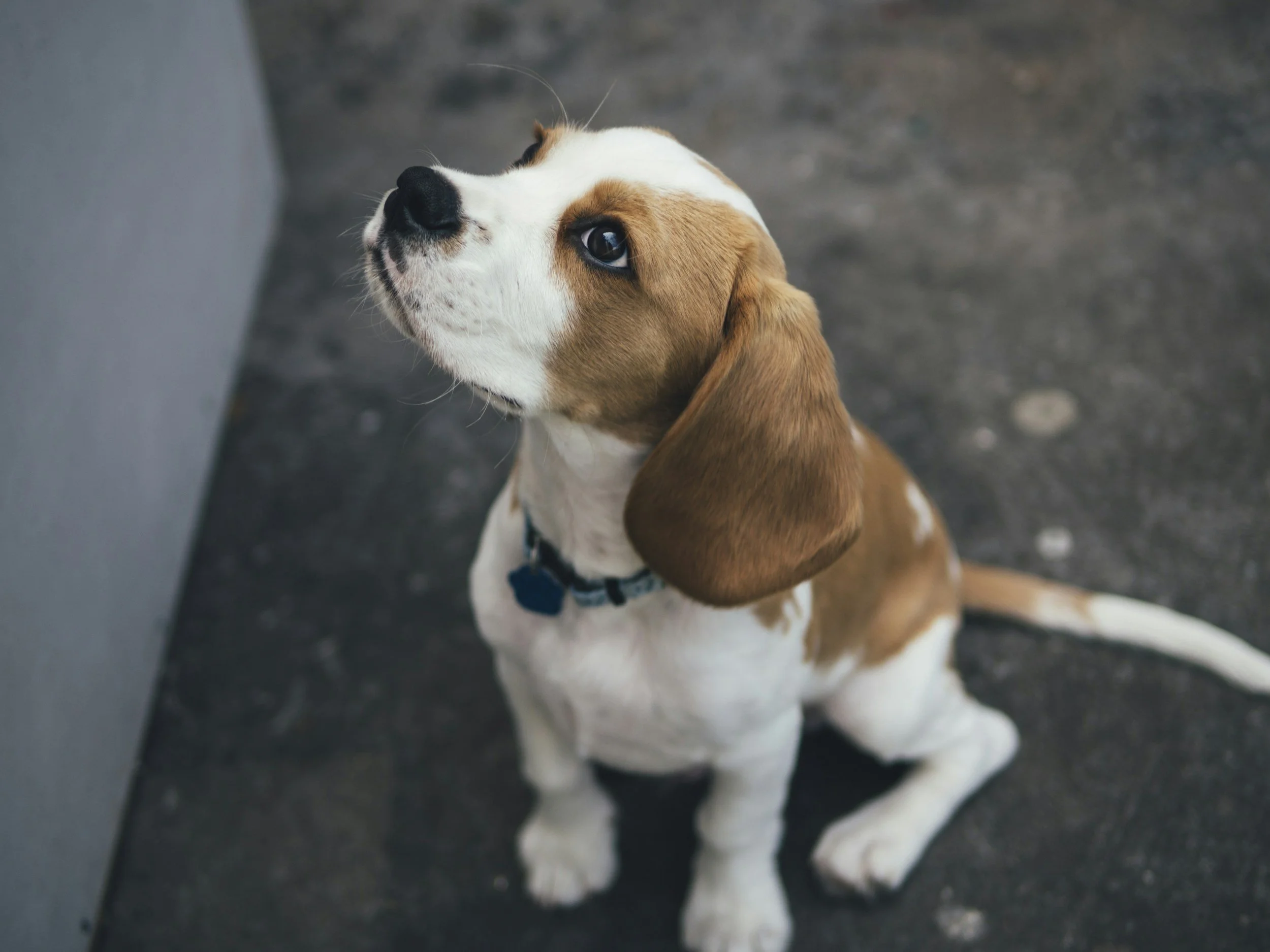
Don't Wait Until Your Puppy Is Older
Many owners assume puppies will simply grow out of jumping.
While puppies naturally become calmer as they mature, behaviours that are repeatedly rewarded often continue into adulthood.
A large adolescent or adult dog jumping up creates a very different experience compared to a small puppy doing the same thing.
Teaching appropriate greetings early helps your dog understand what behaviour is expected before jumping becomes their default response.
Early experiences play an important role in shaping how puppies respond to the world around them. The Royal Veterinary College provides further information about puppy development, socialisation and supporting healthy behaviour as dogs mature.
Teach Your Dog What To Do Instead
One of the biggest mistakes owners make is focusing only on stopping the unwanted behaviour.
Telling a dog "no" or pushing them away doesn't teach them what they should do instead.
Effective training replaces unwanted behaviours with something more appropriate.
Instead of jumping, we can teach behaviours such as:
Four paws on the floor.
Sitting to greet people.
Waiting calmly for attention.
Checking in with the handler.
Moving onto a designated place.
Dogs learn faster when we give them a clear alternative.
Reward Calm Behaviour
A common mistake is only interacting with dogs when they are excited.
Many dogs learn:
"If I jump, I get attention."
Instead, we want to teach:
"Calm behaviour makes good things happen."
Reward your dog when they choose calm behaviours naturally.
This might be:
Standing calmly.
Sitting without being asked.
Looking at you instead of rushing forward.
Waiting patiently for interaction.
The more we reinforce calm choices, the more valuable those choices become.
Consistency Is Key
Training jumping up requires everyone to follow the same rules.
If one person rewards jumping while another person ignores it, the dog receives mixed information.
This doesn't mean your dog needs perfection from day one. It means everyone should understand the goal and respond consistently.
Clear communication helps dogs learn faster.
What About Excited Greetings?
Many dogs aren't jumping because they lack training - they are jumping because their emotions are bigger than their ability to control themselves.
This is especially common in puppies, adolescent dogs and highly social dogs.
In these situations, simply asking for a behaviour like "sit" may not be enough.
The dog first needs to learn how to regulate their excitement and remain connected with their handler.
This is where engagement training becomes valuable.
Building your dog's ability to focus on you, respond around distractions and make calmer choices creates skills that transfer into everyday situations.
Management While Training
Training takes time, and management helps prevent your dog from rehearsing the behaviour while they learn.
Helpful strategies include:
Keeping greetings calm.
Asking visitors to avoid rewarding jumping.
Using distance when your dog is highly excited.
Providing your dog with a clear behaviour to perform.
Practicing greetings in controlled situations.
Every successful repetition of calm behaviour strengthens that habit.
Why Timing Matters
Like all dog training, timing plays an important role.
Dogs need to understand exactly which behaviour earned the reward.
If your dog jumps up and then receives attention after stopping, they may learn that jumping is part of the process.
Instead, reward the moment your dog makes the correct choice.
Clear feedback helps dogs understand what works.
Building Reliable Everyday Manners
Teaching a dog not to jump is about more than stopping an unwanted behaviour.
It is about teaching your dog how to successfully navigate everyday life.
Whether greeting visitors, meeting people on walks or interacting with family members, calm behaviour creates a better experience for everyone.
Good manners don't happen by accident - they are built through clear communication, consistency and reinforcement.
Jumping up is a normal behaviour for dogs, but it doesn't have to become a permanent habit.
By understanding why dogs jump, preventing accidental reinforcement and teaching alternative behaviours, owners can create calmer and more polite greetings.
The earlier you start, the easier it is to build good habits. However, even established behaviours can be changed with the right approach and consistent training!