

Understanding Trigger Stacking in Dogs: Why Your Dog Reacts More Some Days
Have you ever had a walk where your dog seemed completely fine, then suddenly reacted to something they would normally ignore?
Maybe they calmly passed several dogs earlier in the walk, but later barked at one from a distance. Perhaps they ignored a cyclist one day but reacted strongly the next.
This can leave owners feeling confused.
"Why did my dog react this time when they didn't before?"
Often, the answer comes down to something called trigger stacking.
Understanding trigger stacking can completely change the way you view your dog's behaviour because it helps explain why reactions are not always about one single event.
What Is Trigger Stacking?
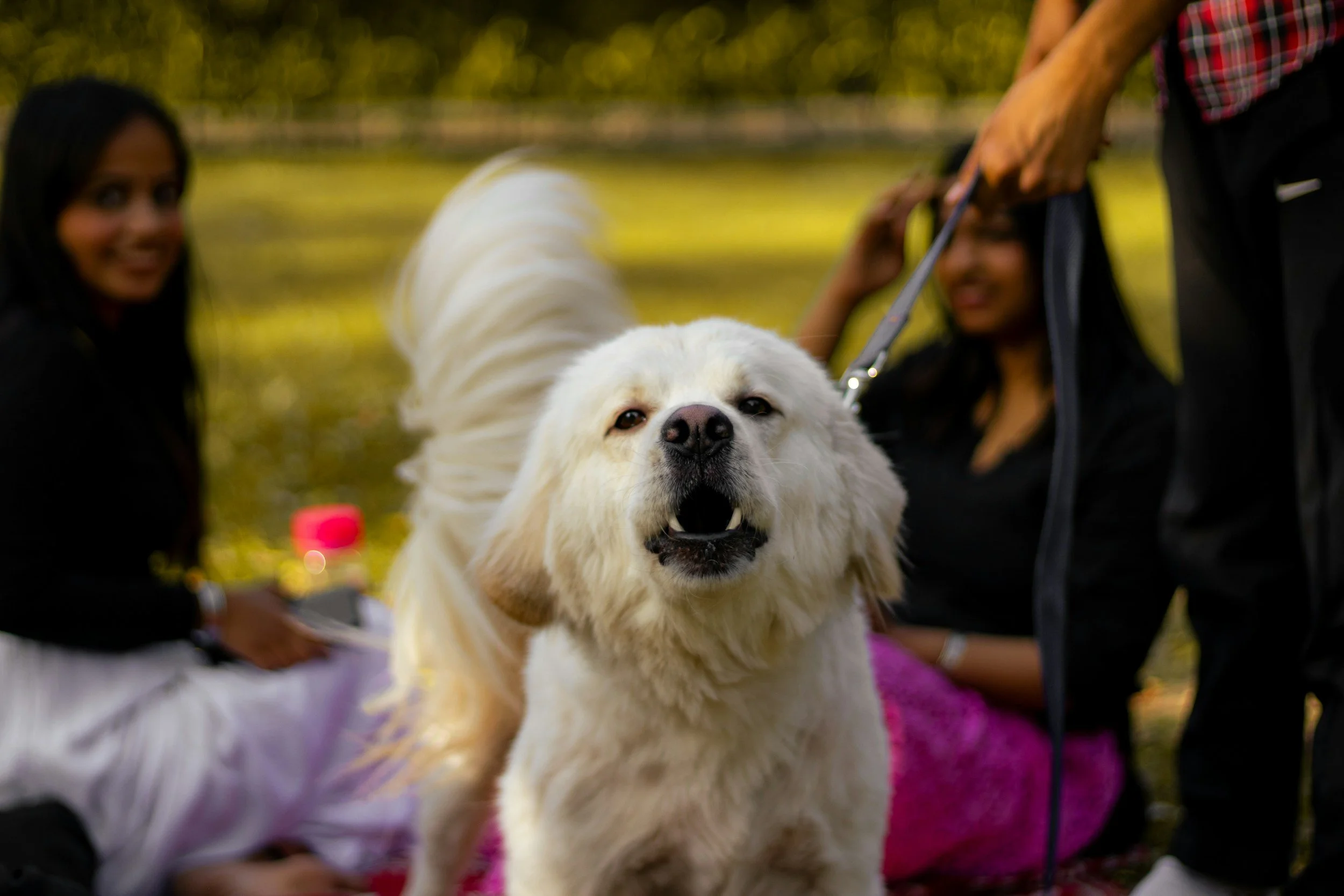
Trigger stacking occurs when multiple stressful or exciting experiences build up over time, eventually pushing a dog closer to their coping limit.
A trigger does not have to be something dramatic.
For one dog, a trigger might be another dog approaching. For another, it could be:
A loud noise.
A stranger approaching.
Traffic.
A change in routine.
Lack of sleep.
A stressful experience earlier in the day.
Too much excitement.
Each individual event may seem manageable on its own. However, when several experiences happen close together, the dog's stress levels can gradually increase.
Eventually, something that would normally be easy to cope with becomes the final thing that pushes them beyond their ability to stay calm.
Why Does My Dog React "Out of Nowhere"?
One of the most common things owners say is:
"They've never done that before."
Usually, the behaviour hasn't appeared randomly.
Dogs communicate through body language long before they bark, lunge or react. However, many early signs are subtle and easy to miss.
Before a reaction happens, a dog may:
Become more alert.
Stop taking food.
Increase their breathing.
Stare at a trigger.
Move more quickly.
Become less responsive to their owner.
Struggle to disengage.
These signs can indicate that the dog is becoming increasingly overwhelmed.
By learning to recognise these moments earlier, owners can make better decisions and help their dog before they reach the point of reacting.
A Simple Example of Trigger Stacking
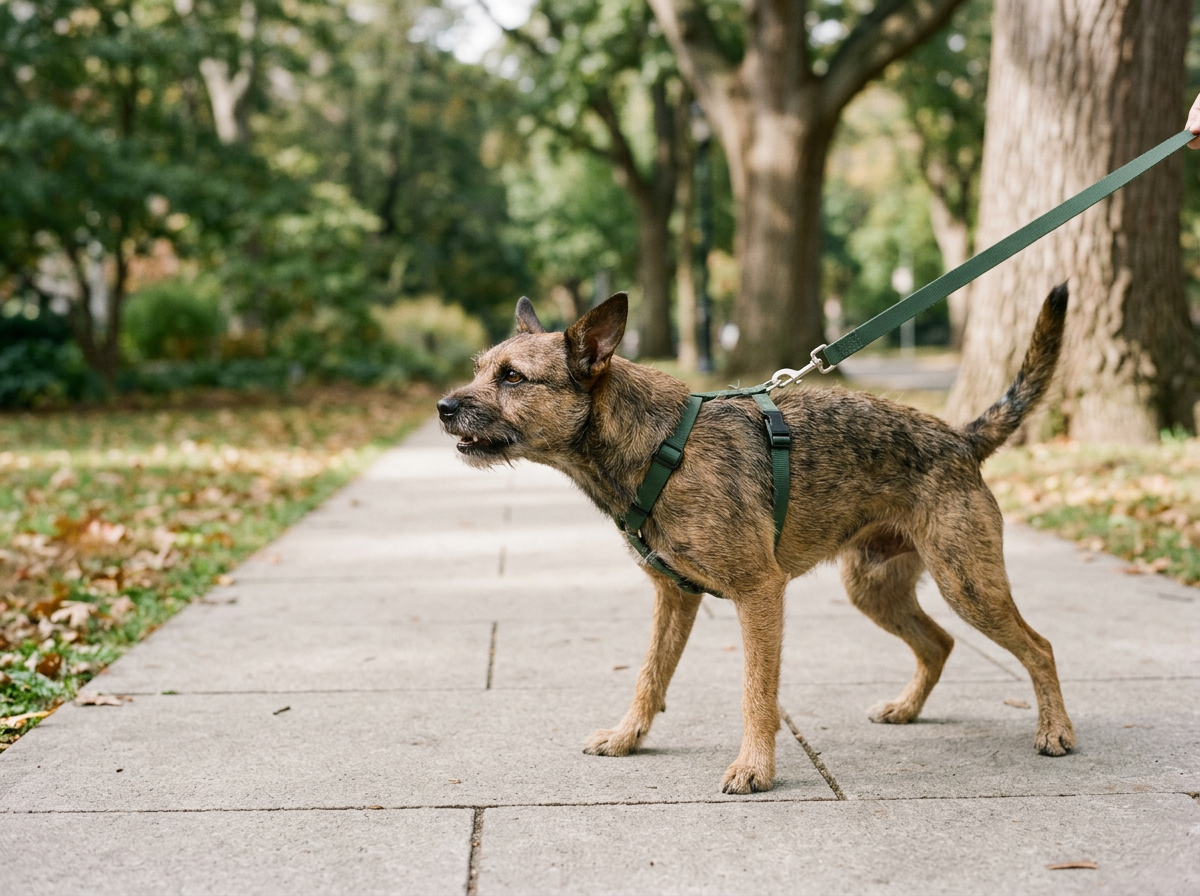
Imagine your dog normally walks calmly past another dog.
Today, however:
They had less sleep than usual.
They were excited by visitors at home.
They encountered a noisy vehicle on the way out.
They passed several dogs on a narrow path.
They couldn't move away from a stressful situation.
By the time another dog appears, their ability to cope may already be reduced.
The other dog may simply have been the final challenge they couldn't manage.
This is why looking at the whole picture is so important.
Stress Is Cumulative
A common misunderstanding is that dogs simply "forget" stressful events once they are over.
While dogs can recover, some experiences can leave them more sensitive for a period of time afterwards.
This means that a dog who has already had a difficult experience may have a lower tolerance later in the day.
For example, a dog who had a challenging interaction during their morning walk may find an evening walk more difficult, even if the environment appears similar.
This doesn't mean owners should avoid all challenges. Instead, it means we should be thoughtful about when and how we ask dogs to cope.
How Trigger Stacking Affects Training
Understanding trigger stacking is especially important when working with reactive dogs.
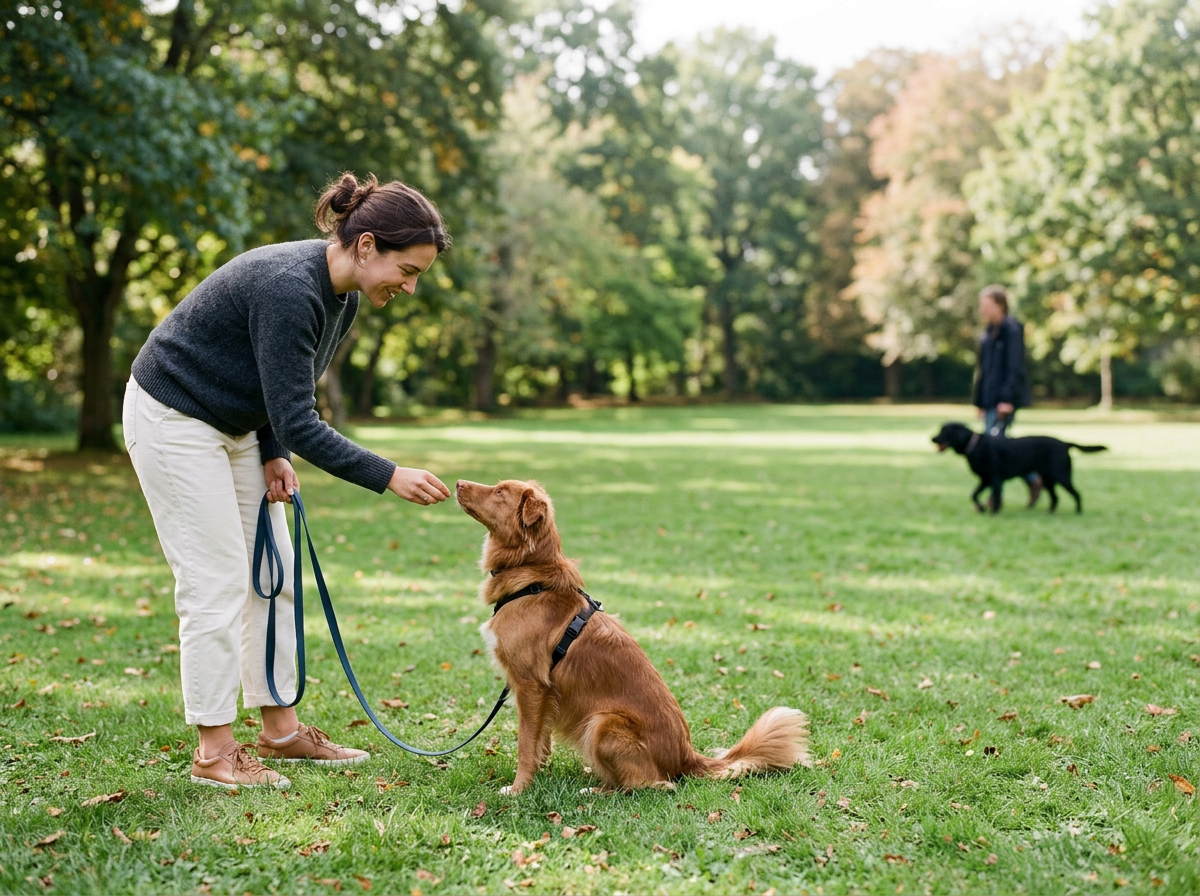
Training is most effective when the dog is in a state where they can still think, learn and make choices.
Once a dog is overwhelmed, their ability to respond to cues and process information becomes much more limited.
This is why successful behaviour modification focuses on:
Recognising early signs of stress.
Creating enough distance from triggers.
Building engagement with the handler.
Rewarding calm decisions.
Gradually increasing difficulty.
The goal is not to repeatedly expose a dog to situations they cannot handle. The goal is to create successful experiences that build confidence over time.
The Importance of Distance
Distance is one of the most valuable tools when working with reactive dogs.
Many owners worry that moving away from a trigger means they are avoiding the problem.
In reality, distance often allows learning to happen.
A dog that is too close to a trigger may only be able to react. A dog that has enough space can observe, process information and make a different choice.
This gives us the opportunity to reinforce behaviours such as:
Looking back at the handler.
Choosing to disengage.
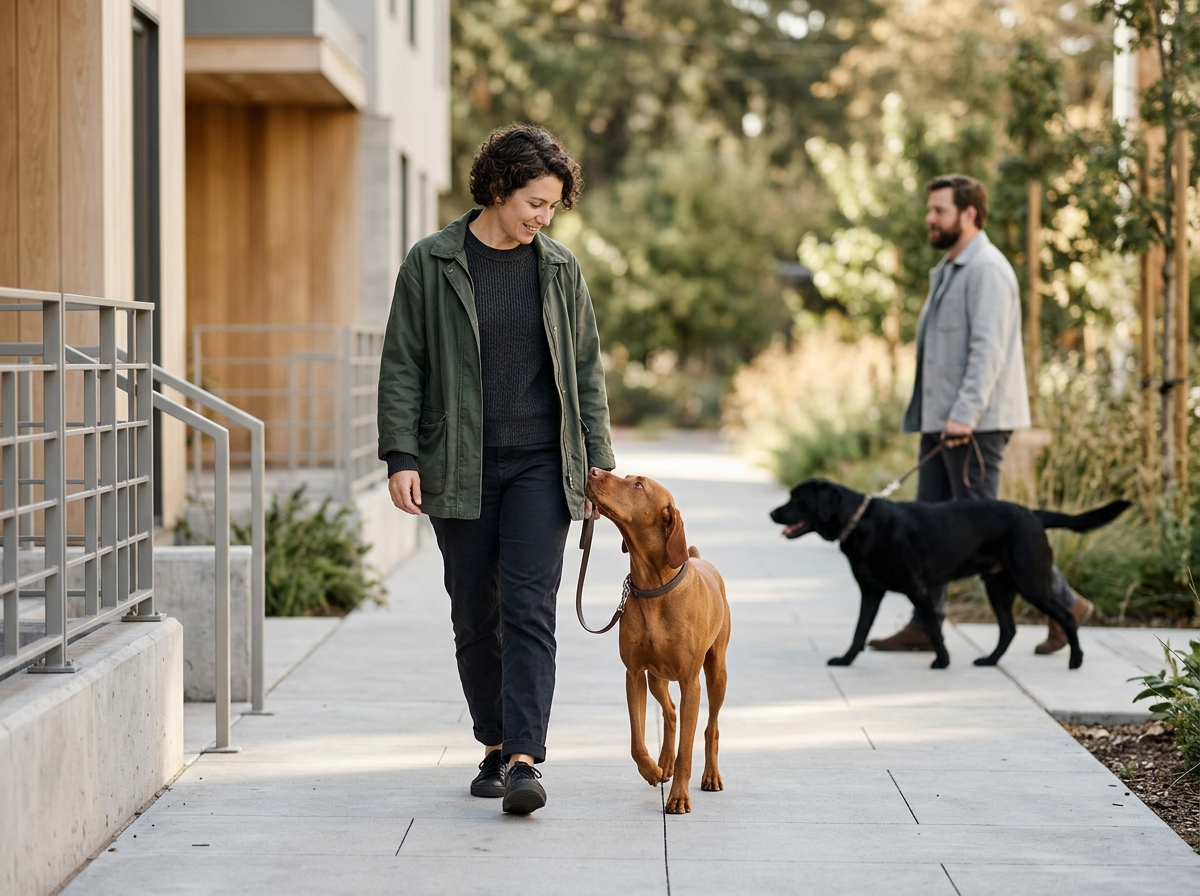
Walking calmly past.
Remaining connected.
Building Better Responses
Long-term improvement comes from more than simply preventing reactions.
Dogs need to learn alternative behaviours that replace the old response.
This is where engagement becomes so important.
By building motivation and value in the handler, we create a dog that is more likely to seek guidance when they encounter something difficult.
Instead of automatically focusing on the trigger, the dog learns that checking in with their owner is rewarding.
Over time, this creates stronger communication and more reliable behaviour in everyday environments.
How Owners Can Help Prevent Trigger Stacking
There are several ways owners can help their dogs stay below their coping threshold:
Plan walks around your dog's needs
Consider the environment, time of day and likely distractions before heading out.
Allow recovery time
After a challenging experience, your dog may benefit from quieter activities and rest.
Watch the whole picture
Look beyond the final reaction and consider what happened beforehand.
Reward calm behaviour
Every time your dog chooses to disengage or reconnect with you, reinforce that choice.
Progress gradually
Confidence comes from successful experiences, not repeatedly overwhelming your dog.
For many owners, having support while learning how to manage triggers can make a significant difference. Private training provides the opportunity to work through your dog's specific challenges while learning practical skills you can apply during everyday walks and routines.
Trigger Stacking and Reactive Dog Training
Understanding trigger stacking is a key part of helping reactive dogs make progress.
At ASCENDK9, our approach focuses on building engagement, improving communication and helping dogs develop better coping strategies around distractions.
We don't just look at the reaction itself - we look at why it happened and what skills the dog needs to handle those situations more successfully.
By combining behaviour understanding with practical training, owners can become more confident managing their dogs while helping them build calmer responses.
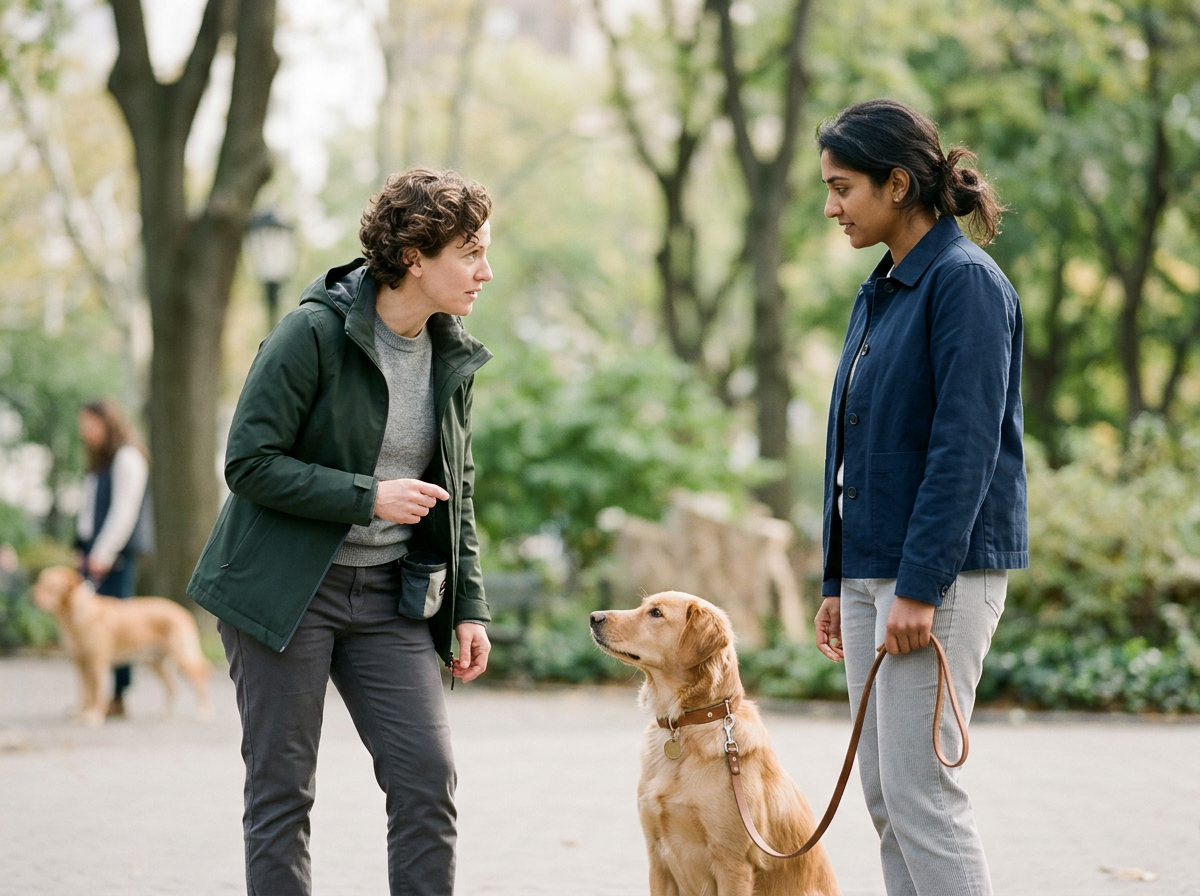
Trigger stacking explains why dogs can sometimes react differently from one day to the next.
A reaction is rarely about one single moment. It is often the result of multiple experiences building up until the dog reaches their limit.
By understanding your dog's triggers, recognising early signs of stress and creating opportunities for successful choices, you can help your dog feel more confident and improve their ability to cope with everyday life.
Every reactive dog has different triggers, experiences and training goals, which is why understanding the individual dog is the first step. During an initial assessment, we discuss your dog's behaviour, identify areas for improvement and create a training plan designed around your specific needs.
The aim is to help dogs develop the skills and confidence they need to navigate the world more successfully.