
Why Your Dog’s Reactivity Probably Starts at Home
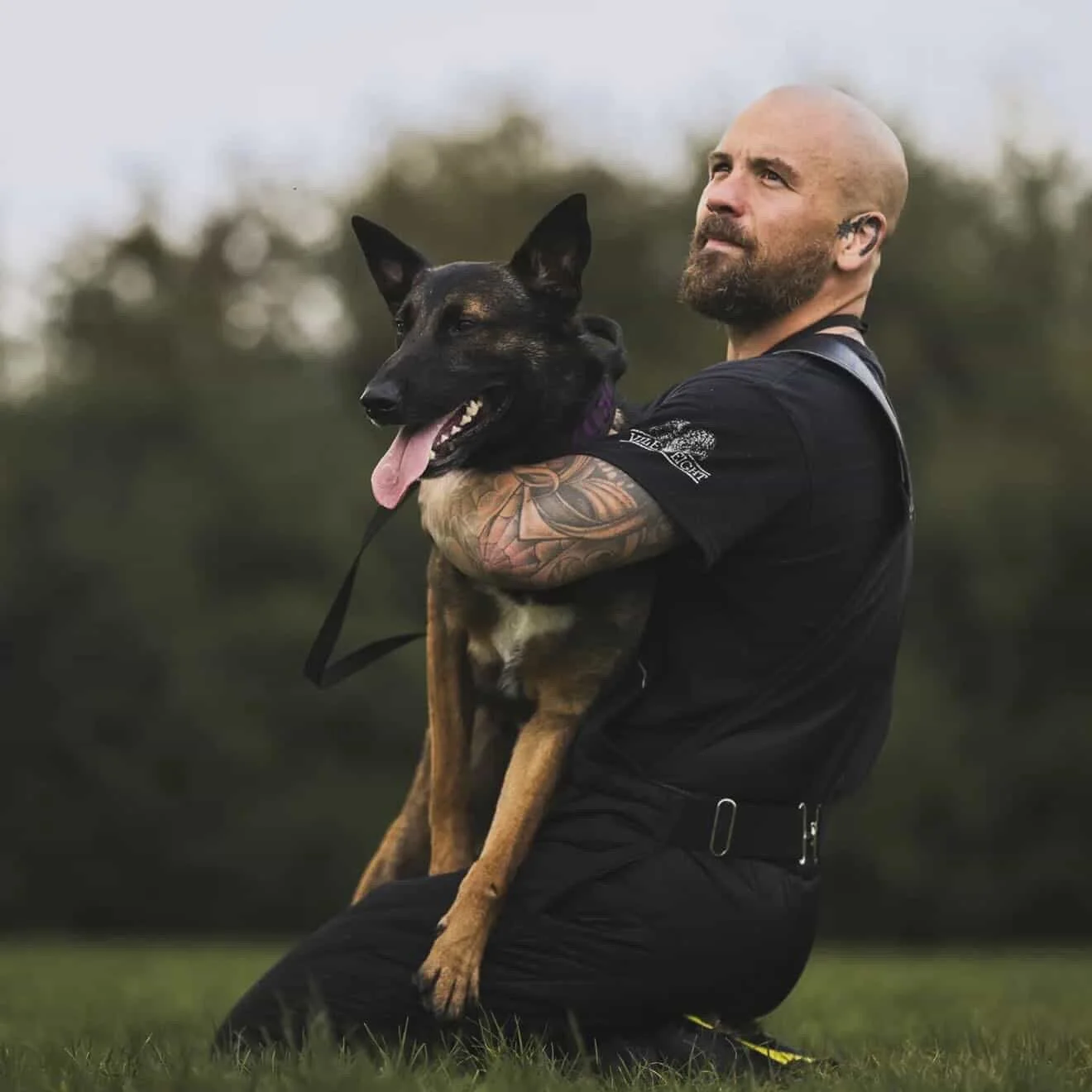
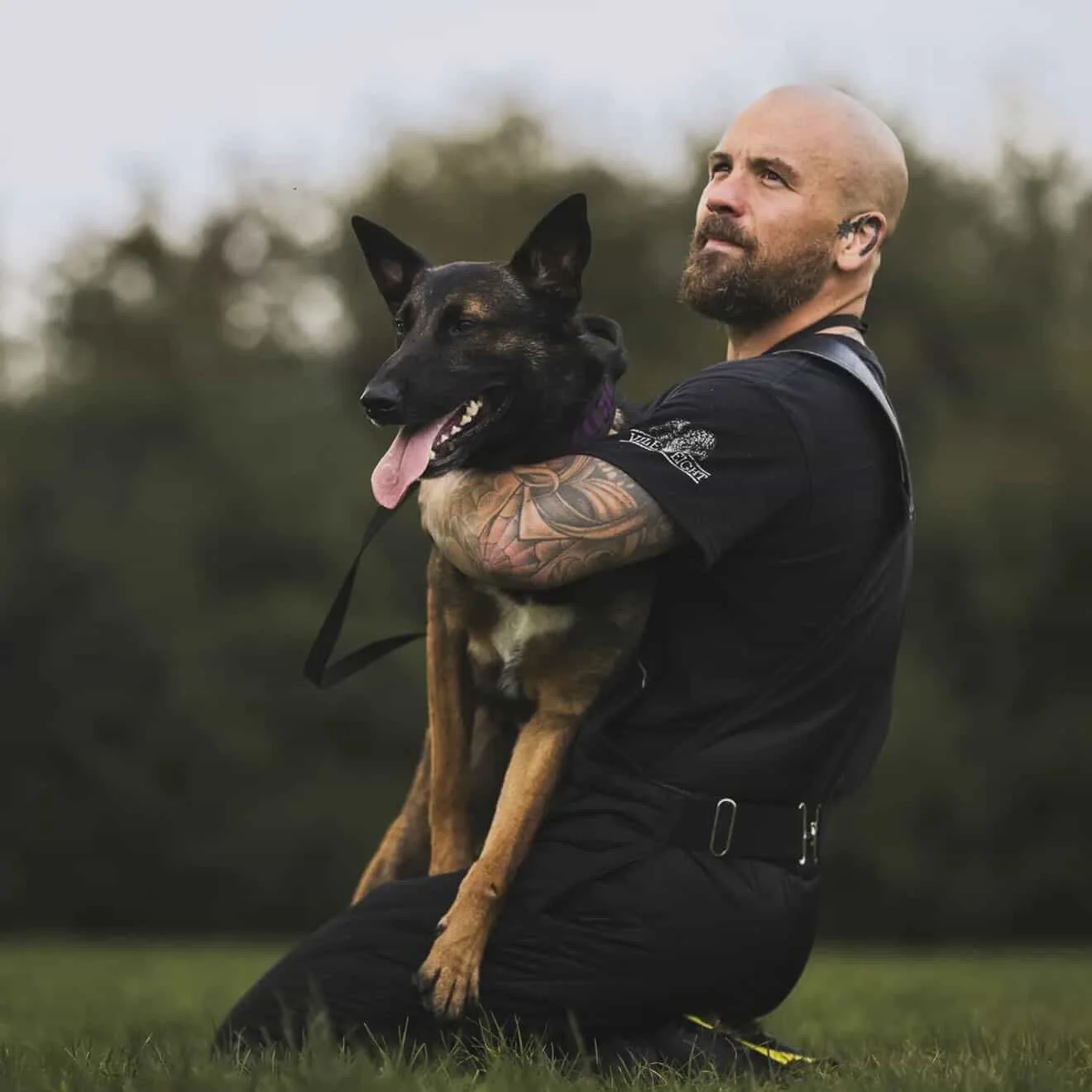
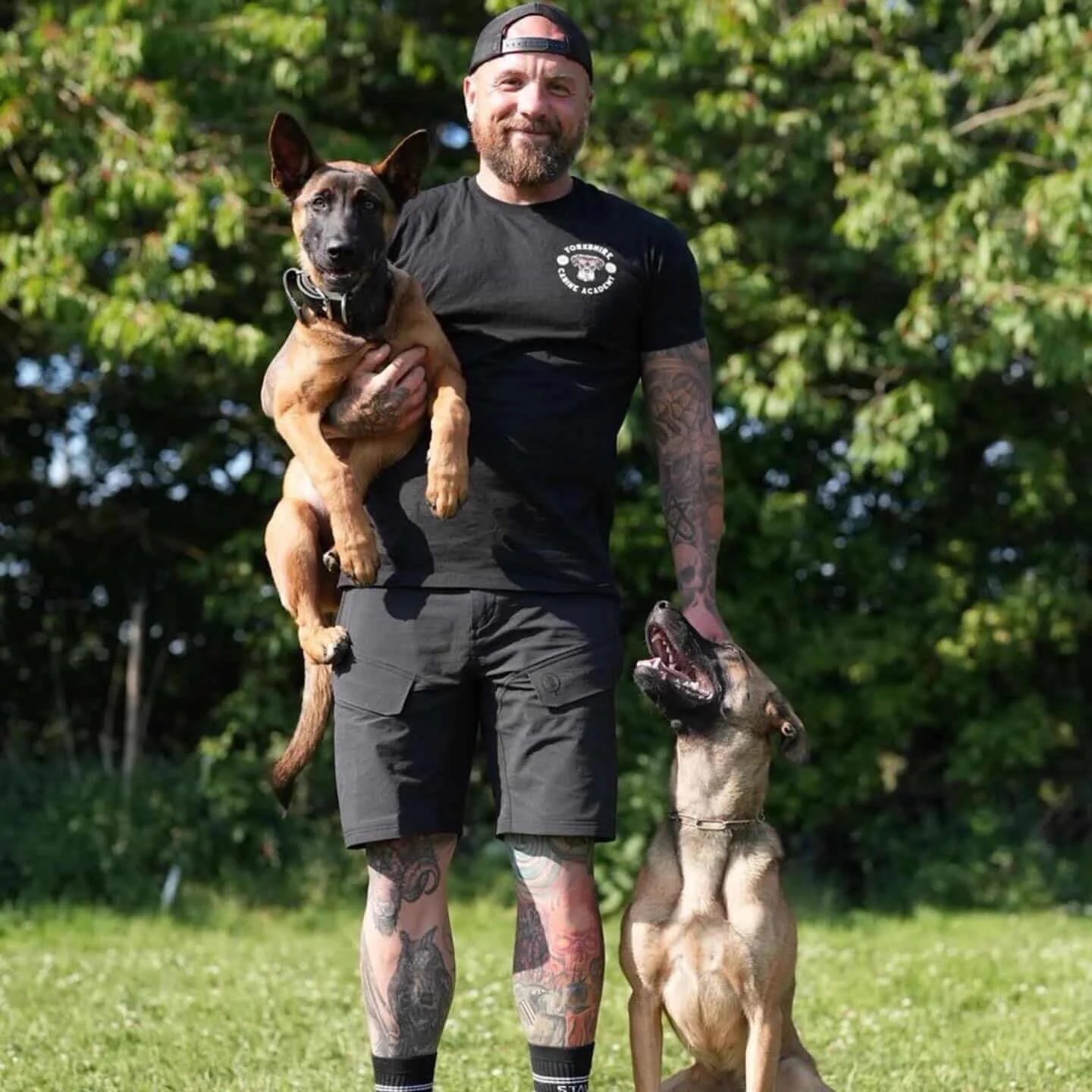
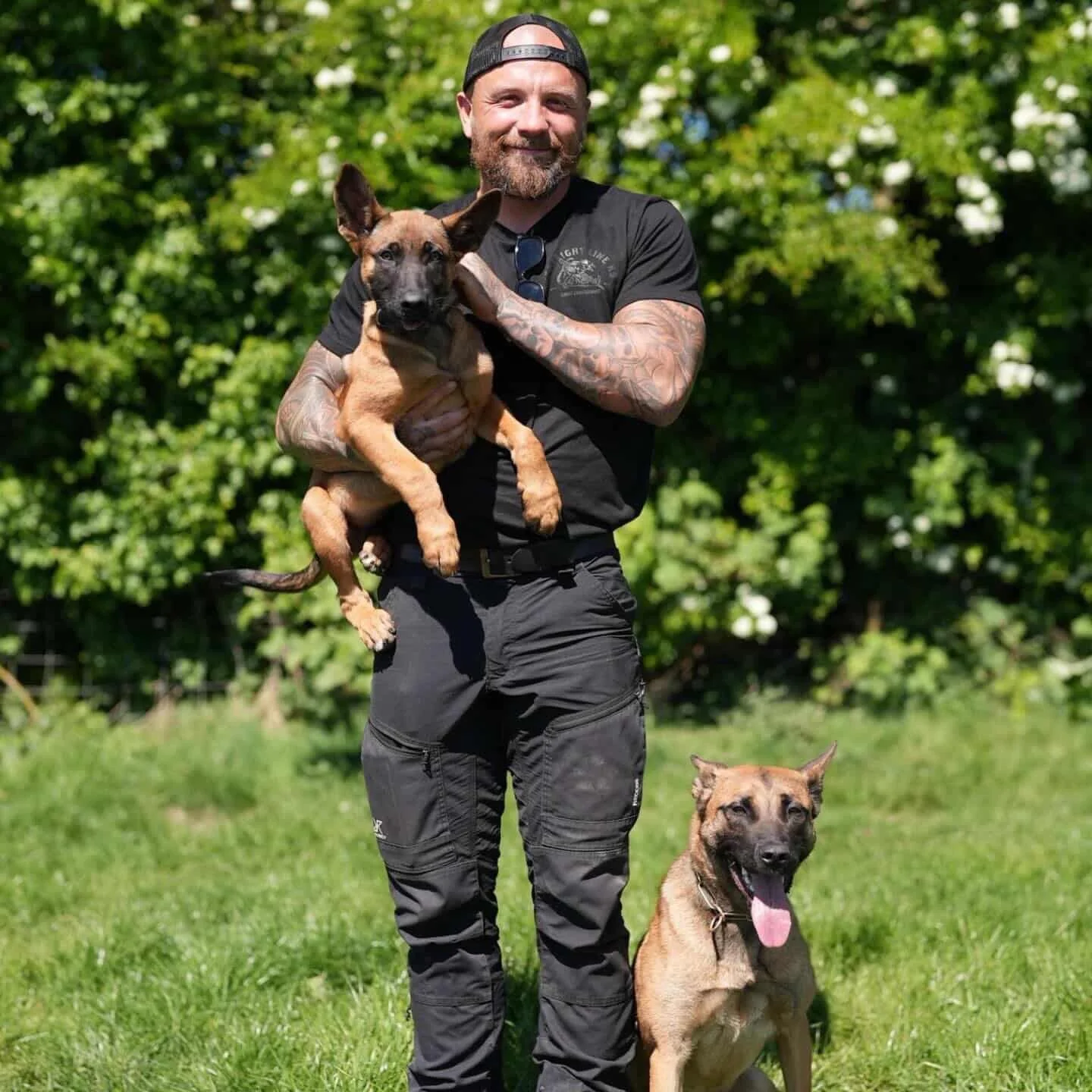
In this guest post, dog trainer and PSA-certified decoy AJ from AJ’s Canine Services breaks down why your dog’s reactivity might be rooted in everyday habits, structure, and communication within the home, and how these foundations directly impact what you see out in the real world.
When owners reach out to a trainer, it’s usually because something has become undesirable, unmanageable or dangerous.
Recall has disappeared.
Reactivity is escalating.
There’s resource guarding, aggression, or a loss of control on walks.
These are the “big” problems people want fixed.
But in most cases, those behaviours weren’t created on the walk or at the dog park. They were built and created at home without you even knowing.
Day by day, rep by rep, behaviours are taught by either us, those around us or the dog themselves. This is where the problems can typically stem from.
The Small Things That Build Big Problems
Reactivity rarely appears out of nowhere. It’s sharpened daily through small, repeated experiences. Each time the dog repeats the behaviour, it gets better at doing it. The behaviour becomes easier to access and more and more engrained.
They beg for food and get the scraps of your meals.
They bark and you attend them.
Your dog reacts to someone walking past the house.
They explode when the doorbell goes.
They shadow you from room to room.
They can’t be left alone without distress.
They snatch clothing, counter surf, ignore boundaries, jump on guests.
They get funny, growl and snarl when near high value things.
Each of these may seem minor in isolation.
But every time a dog rehearses an unwanted behaviour, it gets better at it. More efficient. More confident. More committed.
By the time that same dog sees another dog, person, or vehicle on a walk, the reaction isn’t spontaneous. It’s the result of hundreds of small daily rehearsals of arousal, boundary pushing, and emotional overreaction.
The outburst you see outside is often built inside.
The Pattern Most Reactive Dogs Share
Working predominantly with reactive dogs, I’ve noticed consistent themes:
The dog cannot settle independently.
The dog cannot tolerate separation, even briefly.
The dog cannot settle, follows you room to room (essentially reacting to your every move)
The dog overreacts to door activity or environmental noise.
The dog struggles with basic boundaries and impulse control.
The dog barks at you, or the surroundings and gets a level of response from the owner.
These are not separate issues. They are connected.
Reactivity is often a symptom of a broader lifestyle imbalance - too much freedom without structure, too much stimulation without clarity, too much emotion without guidance. Not enough independence.
There are exceptions, of course. But in the majority of cases, the behaviour owners are paying hundreds to fix has been unintentionally reinforced at home for months or years.
Why Structured Environments Create Change
This is why well-run residential training like I myself, and many other trainers do, can produce strong results.
The first step is not exposing the dog to more triggers. It’s removing the opportunity to rehearse unwanted behaviour. This has to be the first step. We cannot build your dream, perfectly behaved dog all while having it regularly demonstrating the problematic behaviours.
Micromanaging the day-to-day matters.
That may include:
Clear crate protocols
Tethering or place training to prevent constant shadowing
A consistent marker system to communicate “yes” and “no” clearly
Structured play and breed-appropriate fulfilment
Appropriate use of tools when necessary
- Understanding the main drives and fulfilling them properly and regularly, whether that’s prey drive, pack drive etc.
Obedience that creates clarity and predictability
The goal is not suppression. It’s clarity.
We temporarily prevent the dog from practising the behaviours we want gone. Because behaviour that is practised becomes habit. And habit becomes identity.
Stopping the Rehearsal
The biggest hurdle for owners is often this:
You must stop the dog from successfully rehearsing the behaviour you want eliminated.
If a dog reacts every single day, they are training themselves to react.
In the early stages of a behaviour programme, good trainers will often reduce or completely remove exposure to triggers. Not to avoid the issue - but to break the pattern.
From there, we rebuild:
Clear communication through a solid marker system
Structured fulfilment (play, chase, long-line work, etc.)
Obedience appropriate to the dog and owner
Proper conditioning to equipment
Gradual, controlled reintroduction to triggers
Now the dog has:
A way to be told “yes”
A way to be told “no”
An alternative behaviour
Motivation
Guidance
Handling support
Only then do we start exposing them again in a meaningful way.
Final Thoughts
Reactivity isn’t usually about a single bad experience.
It’s about repetition.
If we want different behaviour, we must change what the dog practises daily.
When structure replaces chaos and clarity replaces emotion, many of the “big” problems begin to shrink
And often, the real transformation doesn’t start on the walk - it starts at home.