

A brief guide on what to look for in a dog care professional
With many modern dog owners living busy lives, more and more of us are relying on professionals to care for our dogs whether that be dog walkers, daycare, sitters or boarders. But how and where do you find the right one for you? Keep reading to find out - as well as the the pros and cons, questions to ask, rules and regulations, what each does and more.
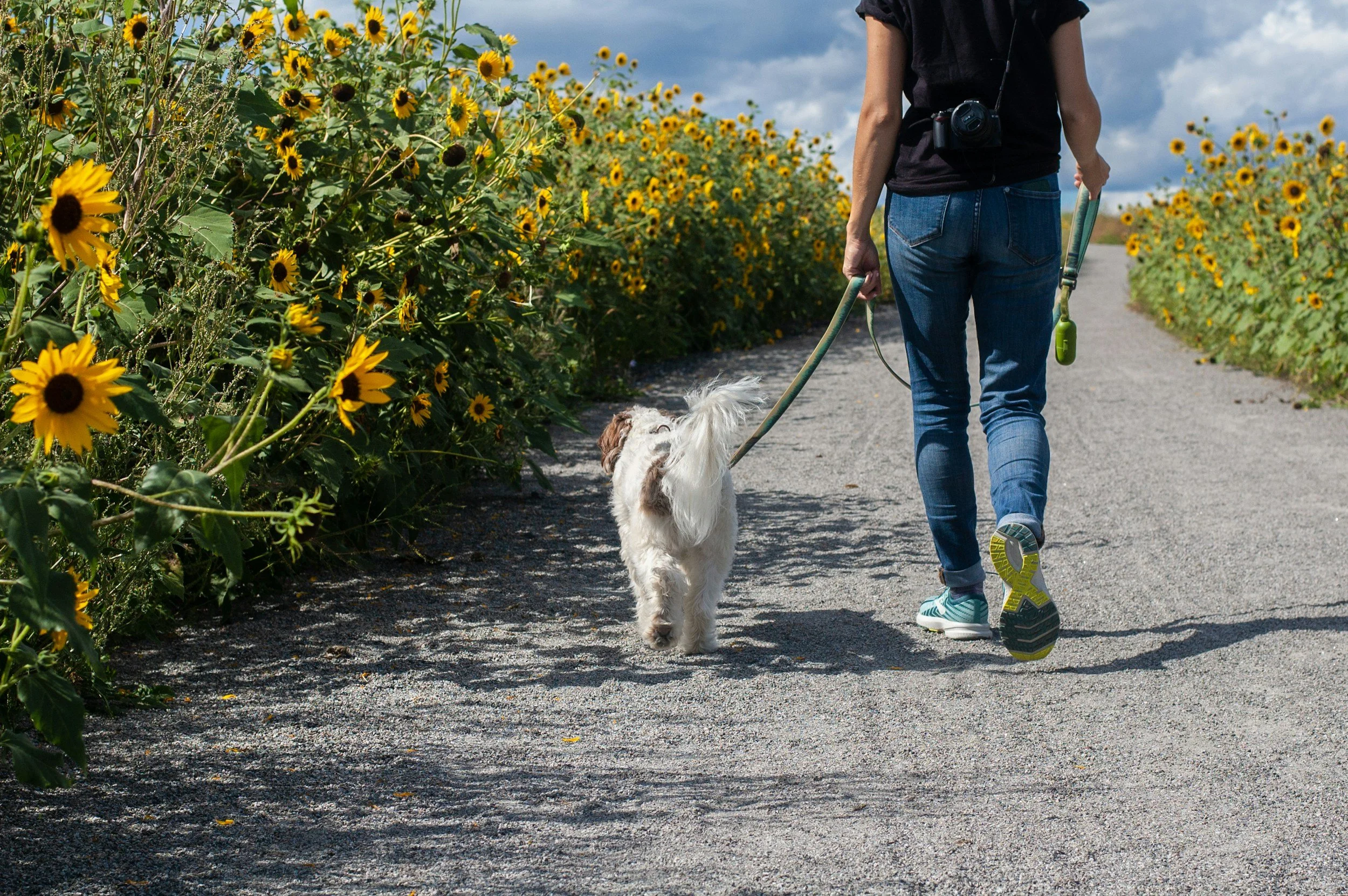
Dog walkers
Dog walkers can be a great option to break up the day when working long hours while avoiding the large daycare centres which may not be suitable for all dogs. Dog walking is largely unregulated however a good dog walker should have their own insurance and canine first aid qualification at a minimum. Behavioural or training knowledge would definitely be a bonus. Various councils and
insurances have different rules to how many dogs can be walked at once - some limiting it to 4 or 6 whereas others being unlimited. Dog walkers are mostly advertised on social media or their own websites which can give you a good idea of how they run - some offer solo dog walks, some small group walks, some do secure field walks for dogs with no recall and some trainers also do training
walks. A good walker will have forms for you to fill in with all your details/questions/terms and conditions and do a meet and greet before hand where you can get to know each other a bit better and ask any questions (we have provided some potential questions to ask below).
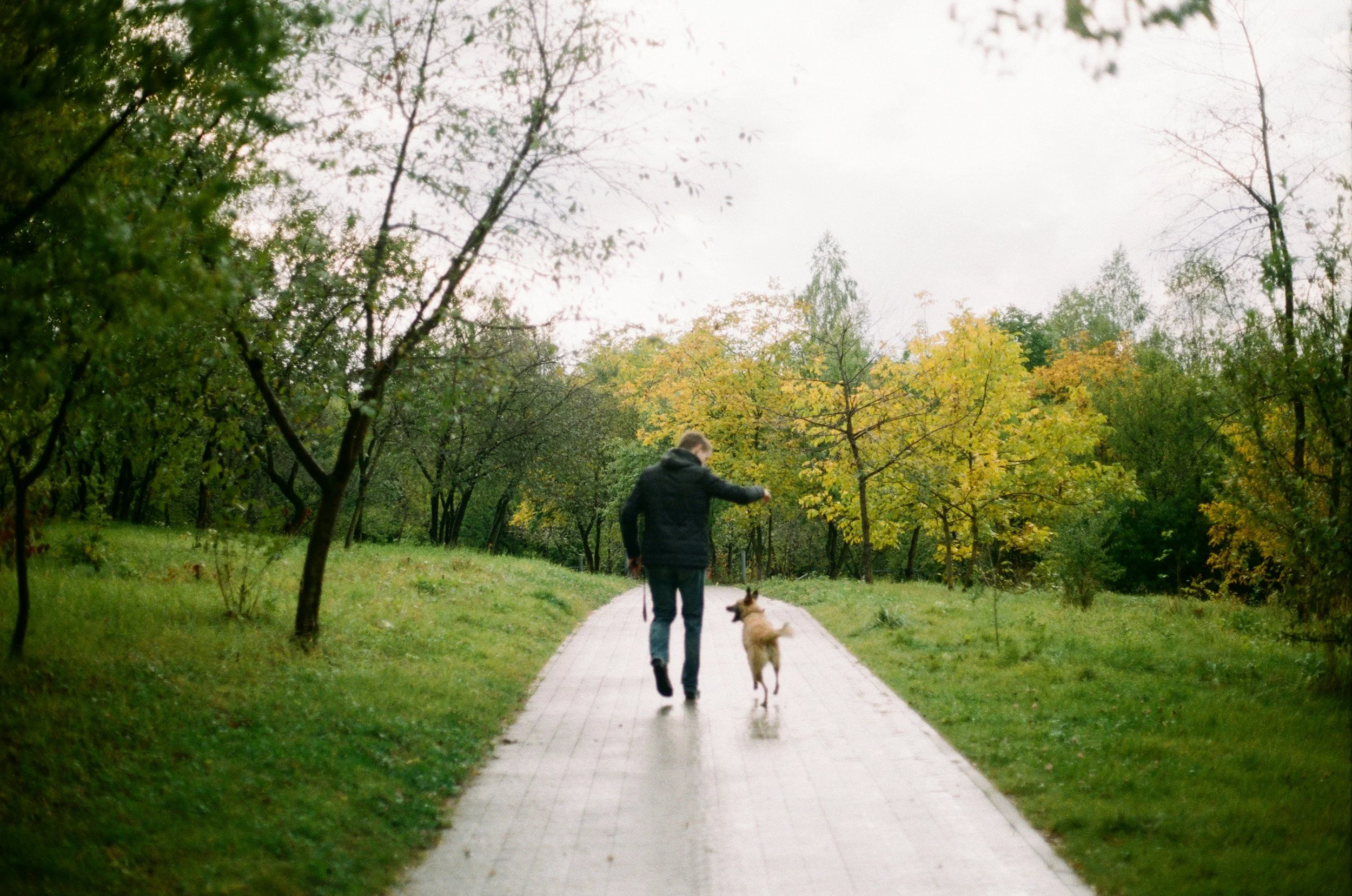
Dog daycare and boarding
Dog daycare can be split into two categories - home daycare/boarding and commercial daycare.
Home daycares/boarders often have smaller amounts of dogs (usually anywhere from 2 - 6) which depends on the amount of rooms in the house (so all dogs can be separated if needed) whereas commercial daycare can have large amounts (20+) usually in a warehouse type setting. Both home daycare/boarders and commercial daycare need to be licensed by the local council who will do inspections, rate the business and determine how many dogs are allowed, among other things.
There are many home daycares and boarders who operate without a license however this can invalidate insurance and means they wont have been inspected. To be licensed they also need to do things such as check dogs are up to date on vaccinations (or titres), have a fire evacuation plan, do risk assessments, not have in season females, provide enrichment and a certain amount of walks, make sure the environment is safe and have limits to leaving dogs alone. Many councils will have a list of local licensed providers on their website (however not all).

Dog sitters
Dog sitters are professionals that come and stay in the dogs own home. This can be great for dogs who may not get on with other dogs or have separation anxiety. Most dog sitters often have other dog walks to do throughout the day so it is important to discuss how long you expect the dog sitter to be in the premises, how many walks they will provide etc. Dog sitting is largely unregulated however most should have insurance and DBS checks.

Kennels
Kennels are often seen as the lesser of dog care however its usually overlooked that they can be a life saver to dogs who are human/dog aggressive or even escape risks as care can be provided with minimal contact. Many kennels have their own safe space for exercise if walks aren’t suitable. They are also considerably less expensive than home dog boarding.
Questions I would ask at a meet and greet:
How are dogs transported - are they in crates? secured by seat belts? boot etc?
How many dogs do they walk/board at once?
Do they have a process to letting dogs off lead - e.g. start on long lines, do recall training, use
food?
How do they deal with pack dynamics - do they allow rough play/chasing/balls?
Do they allow dogs to interact with members of the public/their dogs?
How long will dogs be left?
Will they continue your training?
Will they provide photo/video updates?
Do they know how to break up a dog fight?
Do they have procedures in place if a dog is injured e.g. will they contact you/take dog to vets?
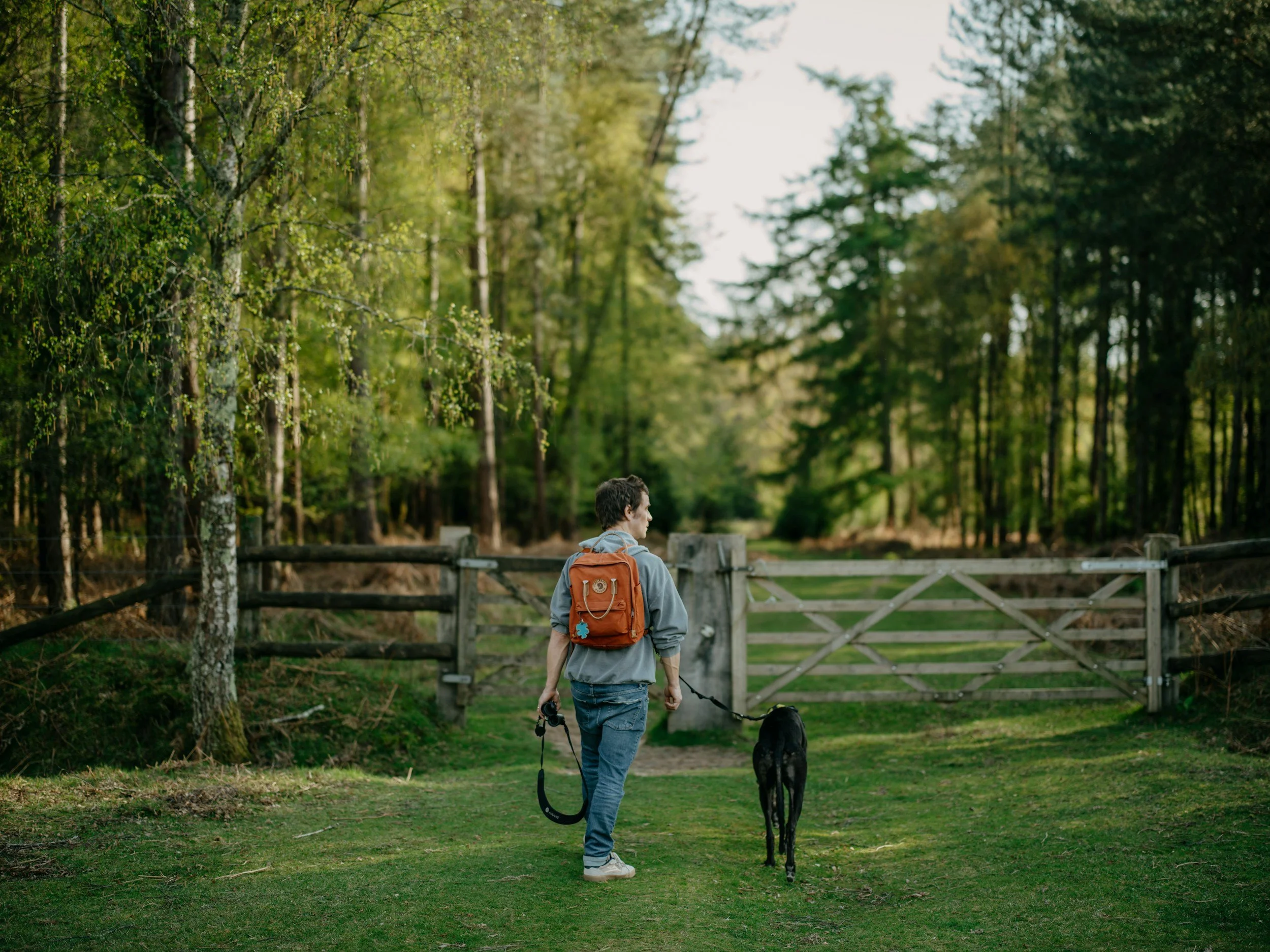
Red flags
While there are many great dog professionals that provide amazing care for dogs, as in any profession there are some that ruin it for others. Dog walkers who walk large packs of 6+ dogs not being able to watch all of them (or pick up poop!), losing dogs regularly, not letting you see the premises, commercial daycares that are free for alls creating over socialised/reactive dogs,
unlicensed businesses (rover has many) to name a few. Not all dogs may be suitable for certain types of care (especially anxious or nervous dogs) so it is important to do your due diligence and vet anyone you may use, check reviews and even ask your trainer what type of care would best suit your dog.