
When Can I Stop Rewarding My Dog?
This is a question that comes up a lot in dog training, especially for owners working on dog obedience training, recall training, or general behaviour around Harlow, Essex and Hertfordshire.
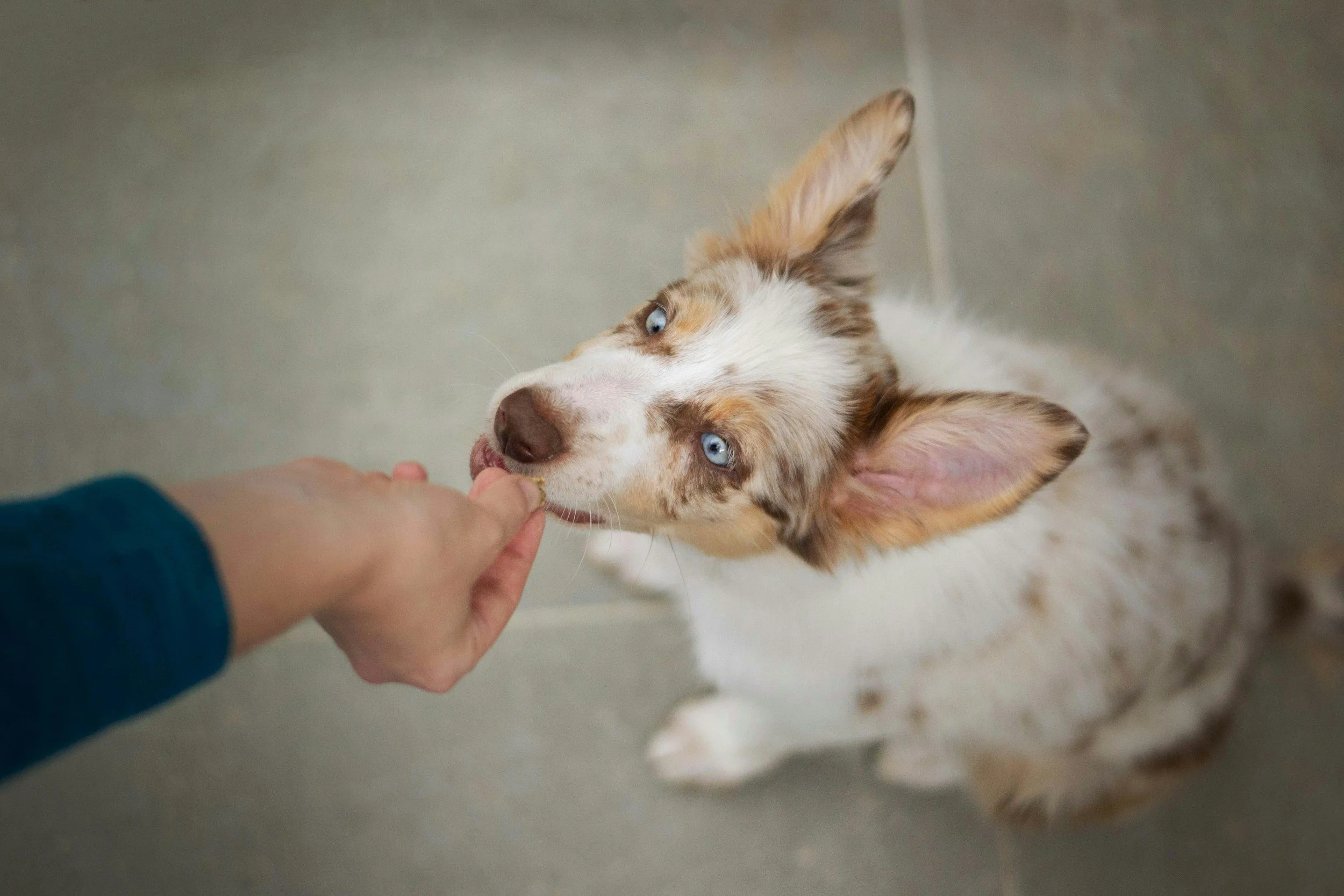
The short answer is: you don’t really stop rewarding your dog - you just change what reward looks like and how often you use it.
A common misunderstanding is that once a dog has “learned” a behaviour, they should now do it without any ongoing reinforcement. But behaviours don’t stay strong just because a dog once understood them. They stay strong because they continue to be worth doing. If there is no ongoing benefit to the dog, the behaviour will naturally weaken over time, especially when you add real-life distractions such as other dogs, wildlife, busy public spaces, or unfamiliar environments.
Reward-based dog training is not about bribing a dog to comply, but building value into behaviours so the dog chooses them even when life is happening around them. That reward doesn’t always have to be food. It can also be access to the environment, movement, sniffing, play, social interaction, or simply the opportunity to continue forward on a walk.
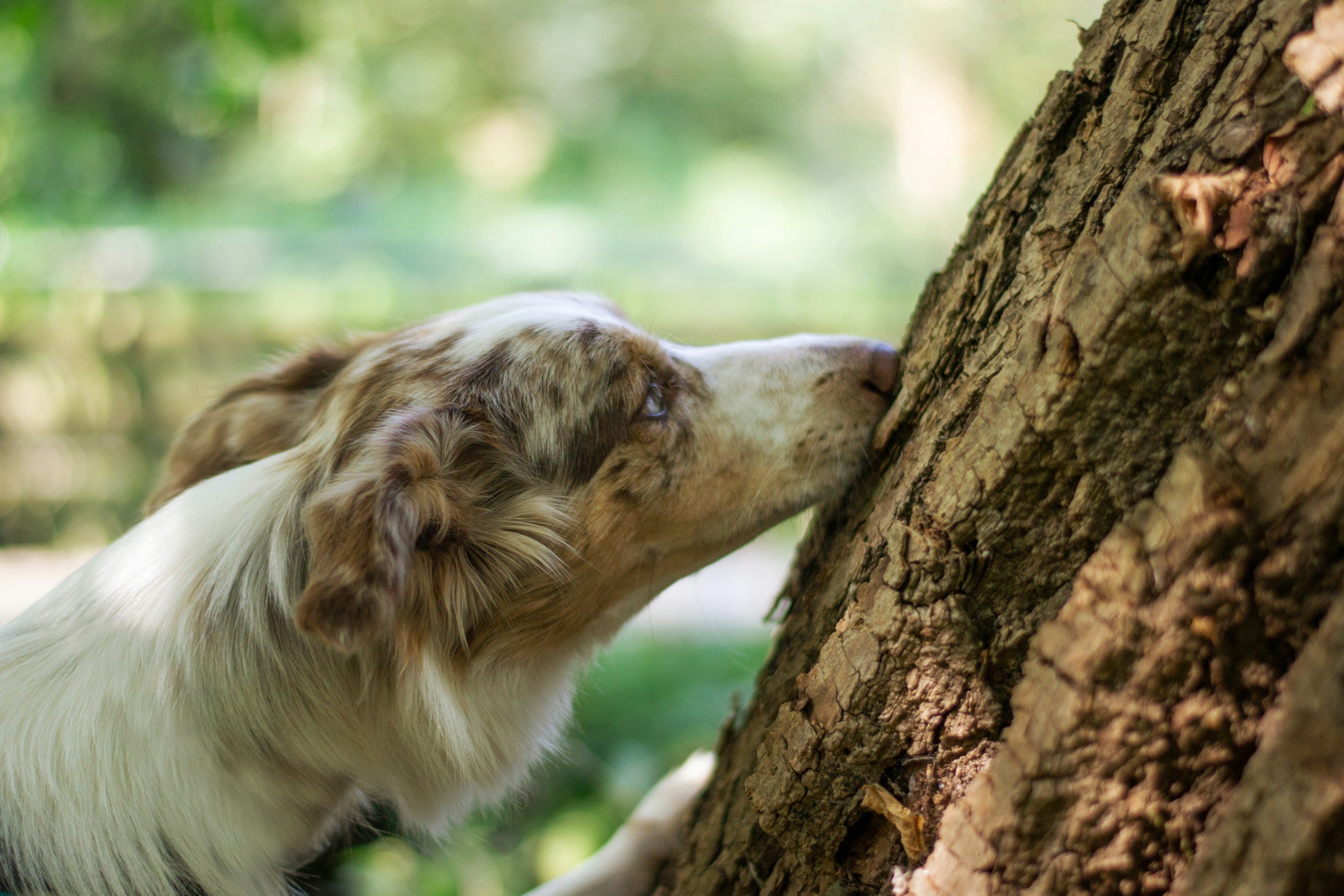
For many dogs working through recall training or off-lead dog walking in Essex, access to the environment is one of the most powerful rewards. Being allowed to move forward, explore, or continue engaging with their surroundings is often far more meaningful than food alone. When used properly, calm and focused behaviour becomes what unlocks freedom, control, and real-life experiences.
Where things often go wrong is when rewards are removed too early in dog obedience training. A dog may appear to “know it,” so reinforcement is reduced or stopped completely. But when the reward history disappears, motivation usually follows. This is when you start to see regression - slower responses, selective listening, or behaviours breaking down in more distracting environments, even in dogs who were previously doing well in structured dog training sessions.
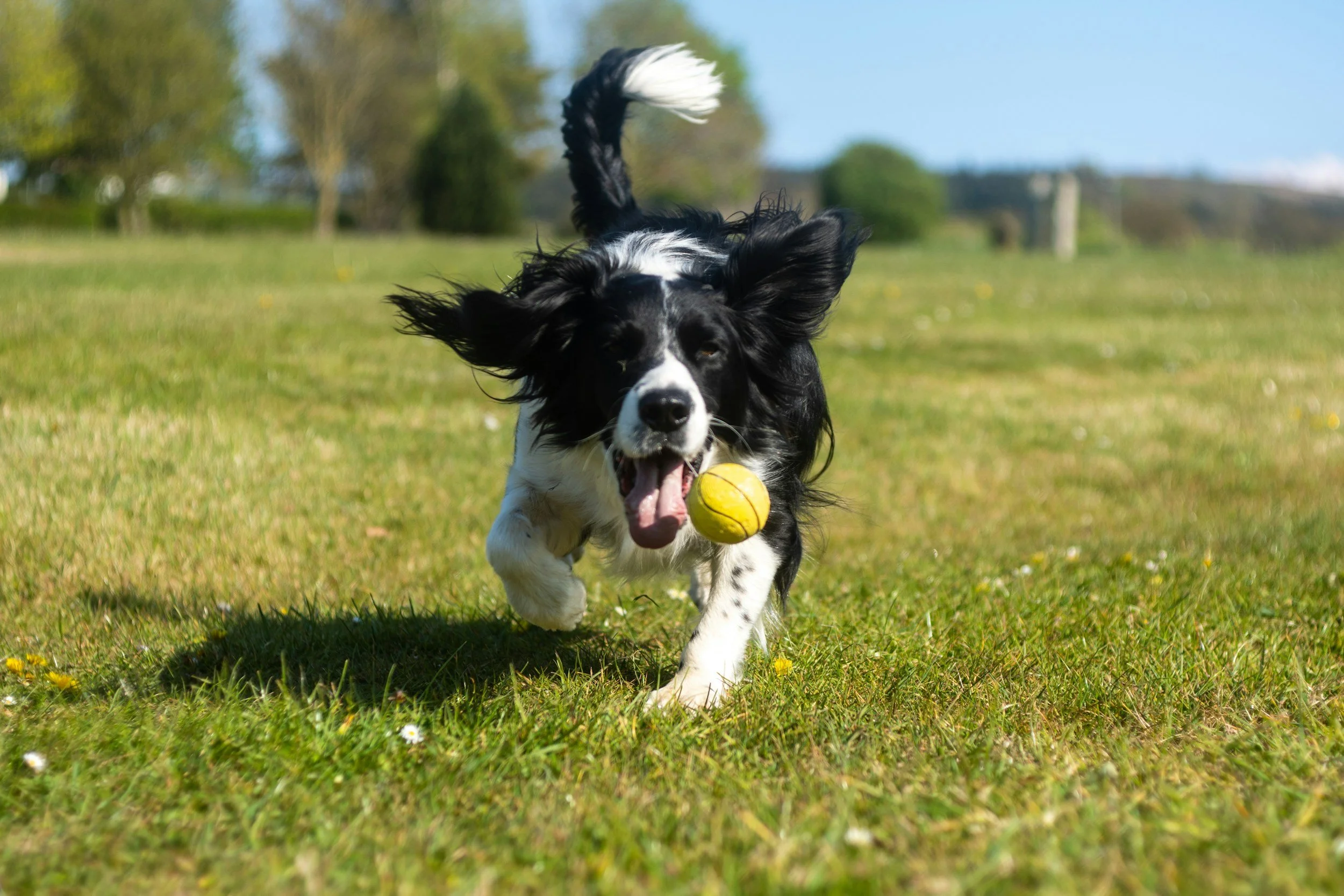
In my own training, I still reward my dog Kai! He is six years old and has many behaviours that are now very reliable and often triggered by cue alone. But that doesn’t mean I stop reinforcing him. I still take opportunities to mark correct choices and maintain that motivation, because I want him engaged in the process, not just compliant. Keeping that communication clear is what keeps his enthusiasm and responsiveness high in real-life training situations.
The goal isn’t to remove rewards, but to evolve them. Over time, food rewards become less frequent, but reinforcement still exists through a mix of predictable and unpredictable rewards, as well as life rewards such as freedom, play, structured walks, and continued exploration. This is what keeps behaviour strong and reliable for owners working through real-world dog training challenges.
Good dog training is all about building behaviours that are consistently reinforced by real life itself, so the dog remains motivated, attentive, and willing to work with you - whether that’s on a quiet countryside walk or in a busy public environment.