
Surviving the Teenage Dog Phase (and Why It’s Totally Normal)
If your once-easy puppy has suddenly started ignoring you, acting moody, or testing boundaries — welcome to the teenage dog phase. Much like human adolescence, this stage in a dog’s life brings rapid hormonal, cognitive, and social changes. While it can be challenging, it’s also a normal developmental period, and with the right support, you can come through it with a strong foundation for your adult dog.
What to Expect During the Teenage Phase
Behavioural Changes & Regression
Training regression: Commands your dog once nailed may be forgotten. This isn’t defiance - their brain is just rewiring! Research led by Newcastle University shows typical teenage behaviour doesn’t just occur in young humans - Adolescence is ruff on dogs too
Selective listening: They may ignore you, especially when off-lead or around distractions.
Increased energy & impulsivity: Adolescent dogs often seek exploration, push boundaries, and may seem more “full-on” than before.
Emotional volatility: Some dogs become anxious or moody, or begin to test social limits.
Conflict-like behaviour: Research shows a dip in trainability during this phase, especially around owners.
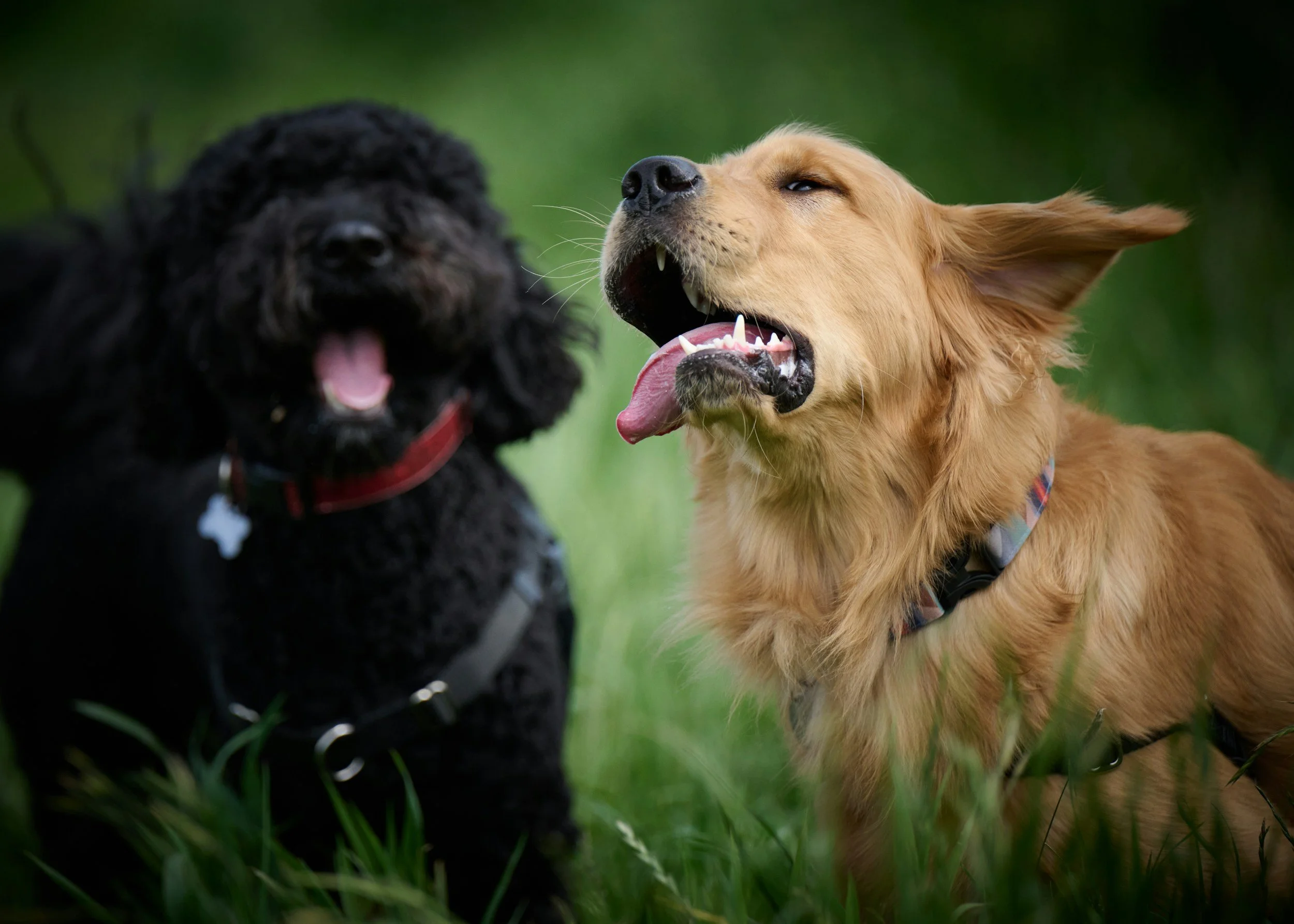
Adolescent dogs are learning to generalise behaviours across environments.
Why It Happens
Hormonal changes: As dogs approach puberty, rising hormone levels (especially in intact dogs) can significantly influence behaviour.
Brain development: The part of the brain that controls impulse and decision-making matures more slowly, making self-control challenging.
Attachment fluctuations: Studies from Newcastle University also show that some adolescent dogs show conflict-like behaviour, particularly if their attachment to their owner was less secure earlier on.
Social maturity lag: While their bodies may be maturing, their social and emotional skills are still catching up.
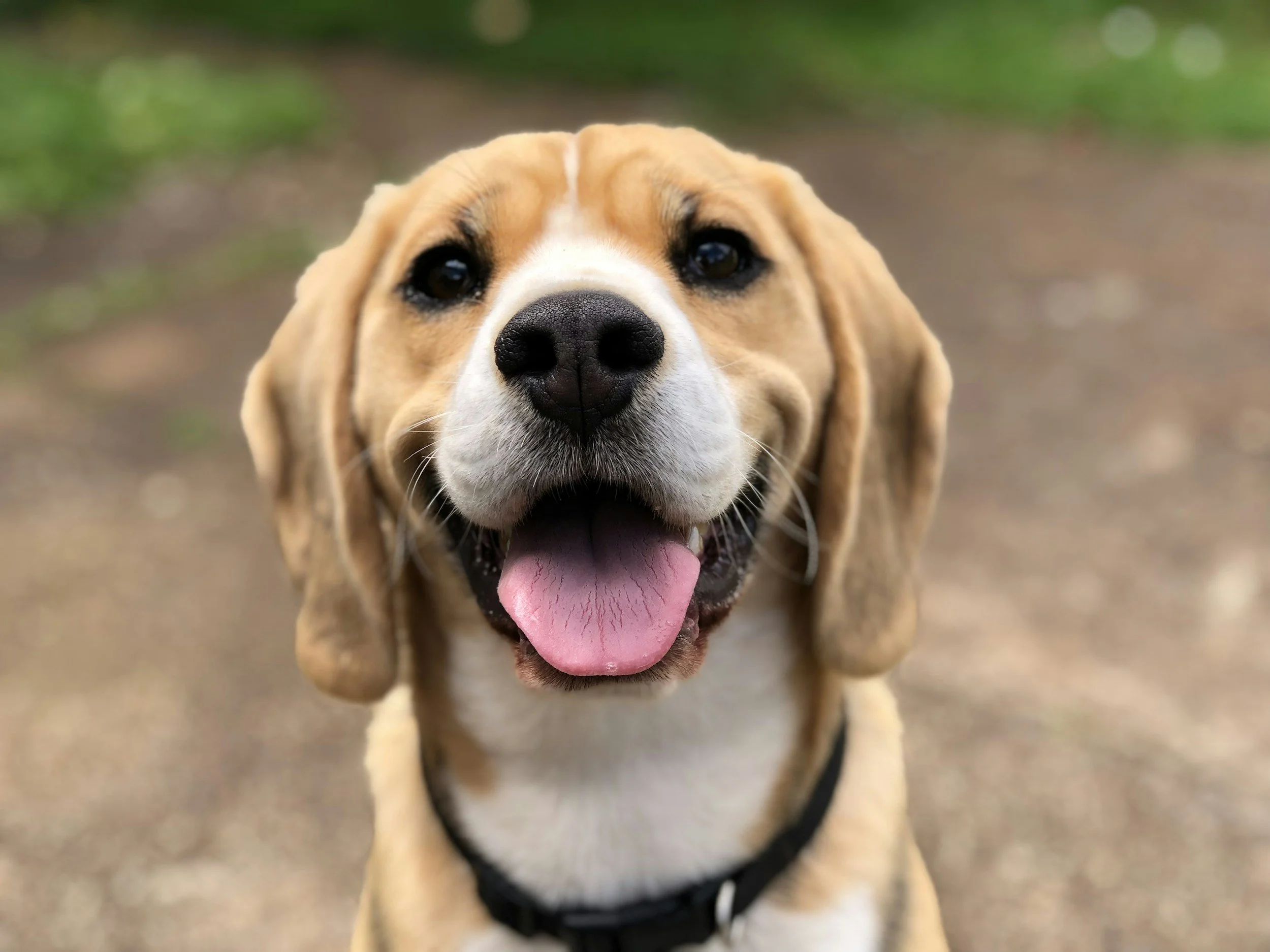
Consistency is key! Keep up your training routines to navigate teenage dog challenges.
Tips & Tricks for Surviving the Teenage Phase
Stay consistent: Keep using your training routines and rewards. This is a phase, not a failure.
Short, fun training sessions: Use high-value rewards and focus on impulse control.
Use a long line for recall: Practice in safe, low-distraction areas so you can manage unpredictability.
Mental enrichment matters: Use scent games, puzzle toys, and nose work to help them stay busy.
Stick to routines: Predictability can be grounding during this chaotic stage.
Slowly proof behaviour: Gradually reintroduce social and environmental challenges in a controlled way.
Be patient and compassionate: This is a neurological and hormonal journey - not a personality flaw.
Seek support if needed: Consider professional training or behavioural support to navigate the tougher moments.
FAQs
Q: When does the teenage phase start and how long does it last?
A: It typically begins around 6 to 12 months, depending on breed and individual development. For some dogs, it can last until 18-24 months.
Q: Is this just “bad behaviour,” or something developmental?
A: It’s very likely developmental. The research shows dogs in adolescence experience cognitive and behavioural changes, not just bad manners.
Q: Will training I taught before disappear?
A: It can feel like that. Skills may seem to regress, but with consistent, positive reinforcement, they typically return.
Q: When should I ask for help?
A: If behaviours escalate, or you’re unsure whether what you’re seeing is just teenage rebellion vs. something more significant, consulting a qualified behaviourist or trainer is a good step.
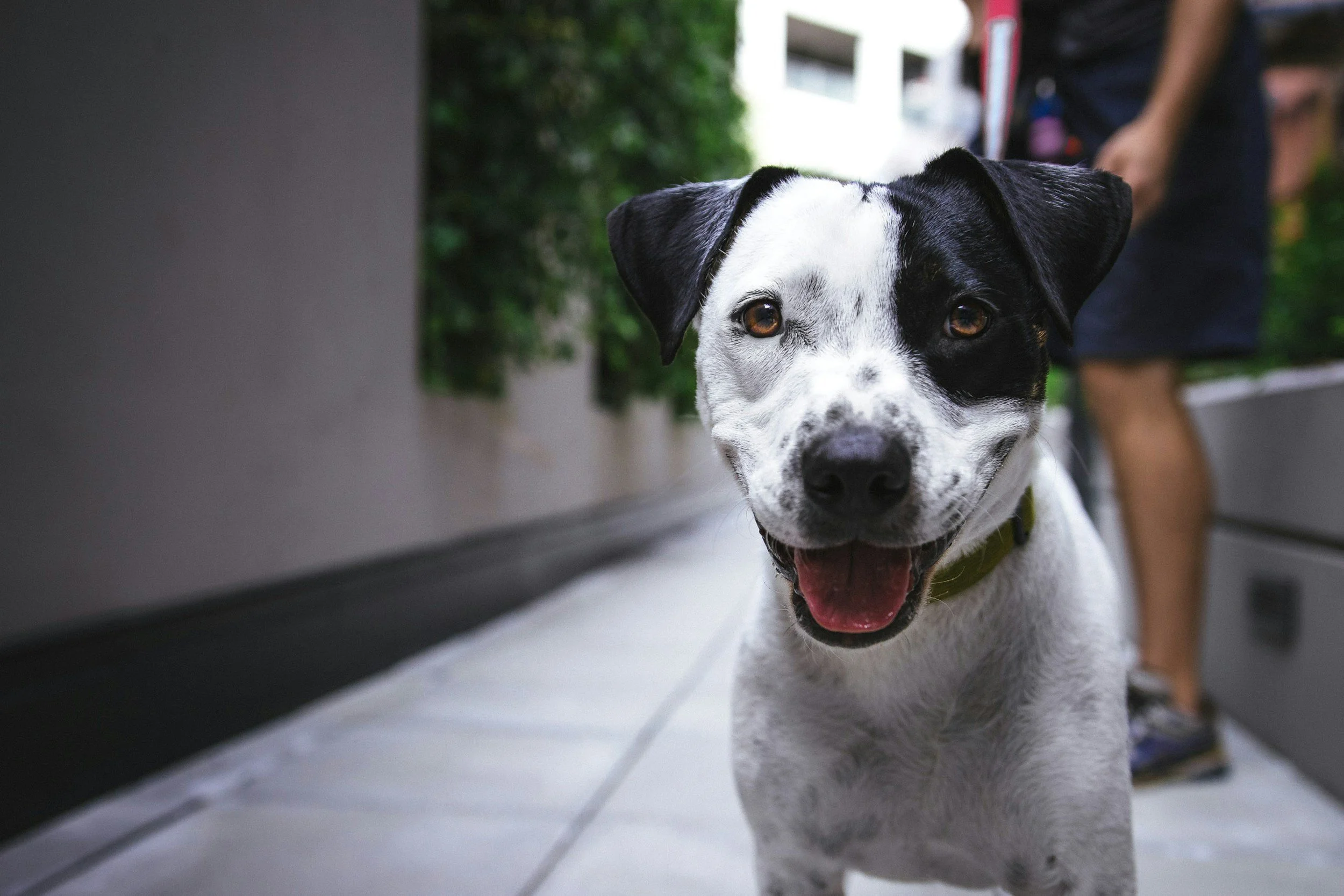
This phase usually lasts from around 6 months to 18-24 months depending on breed and individual development.
So, what’s the takeaway?
Well - the teenage dog phase can feel like a rollercoaster, but remember - it's a normal, temporary stage. With patience, consistency, and a structured approach, you can support your dog through it and come out stronger on the other side!
Further Reading & Support:
Research from Newcastle University on adolescence in dogs Newcastle University+1
NAHF insights on navigating teenage dog behaviour Nahf
Related ASCENDK9 Resources:
Group Classes at ASCENDK9 - Practice in real-life environments
Private Lesson Packages - Get one-on-one support through adolescence
Day Training - Build structure and responsiveness in everyday life