

Setting Training Goals for the New Year
The months after Christmas can feel long, grey and aimless - not just for us, but for our dogs too. When walks are harder to schedule, mornings darker, evenings colder, having defined training goals gives you something to look forward to. It injects purpose into your interactions and helps maintain momentum.
Consistency and planning beat intensity!
So, this year, let’s set thoughtful, realistic training goals and give yourself a roadmap to track progress and celebrate growth.

How to Create Achievable, Meaningful Training Goals
Here’s a framework you can use (and adapt) to build your own training roadmap:
Start with a “Big Picture” Goal + Subgoals
Pick one or two overarching goals for your dog - e.g.:
“Reliable recall off lead in safe spaces”
“Better calm behaviour around distractions (people, dogs)”
“Threshold management for reactive behaviours”
Then break it down into subgoals - small steps you can practice monthly or weekly, such as:
TimeframeSubgoal example
Month 1 - Practice recall in low-distraction indoor areas
Month 2 - Move recall to quiet garden
Month 3 - Recall in a nearby enclosed park
Month 4 - Gradually increase distractions (other people/dogs)
The smaller the step, the more manageable and less overwhelming it feels - especially during winter.
Use a Training Planner or Tracker
Having a physical or digital system makes goals real. Ideas include:
Paper planners or bullet-journal style training logs
Printable training trackers (weekly boxes: cue, location, duration, notes)
Spreadsheet trackers - easy to filter, see progress by week or month
Phone reminders / calendar alerts (e.g. “Recall session - living room, 9 am”)
Use apps like Google Calendar, Apple Reminders or task apps to schedule the short training slots
By seeing your own progress over time - even 2 minutes a day - you’ll feel motivated to stick with it through winter.
Time Blocks & Micro-Sessions
You don’t need long training marathons. In fact, for many dogs, short daily bursts (2–5 minutes) work better. Training experiments suggest that shorter, spaced sessions are more effective for long-term retention.
You can piggyback on daily routines:
While your tea kettle boils, practise a cue
After your own exercise, a 3-minute session outside
Use waiting time (car, queue, before dinner) to reinforce a cue
When you record these micro-sessions in your tracker or calendar, you’ll be surprised how many small wins accumulate!
Review & Reflect Monthly
At the end of each month:
Review which subgoals were met, which stalled
Note what helped (time of day, cue type, environment)
Adjust the next month’s plan accordingly (slower progression? more repetition?)
Celebrate wins - even small ones! Making note reinforces momentum
Over time, this turns training into a continuous, guided journey rather than a vague “I should train more” mindset.

A Few Training Goal Ideas
Here are some goal ideas you can adapt to your dog (puppy or adult) during winter or year-round:
Loose-lead walking in indoor or quiet settings
Recall under increasing distractions (toy, sounds, other dogs)
Sit / wait at doors or thresholds
“Go to mat / place” and stay for longer durations
Focus / attention on cue (“look at me” / “touch”)
Leave it / drop-it reliably (especially around winter hazards)
Impulse control - waiting for permission to eat or exit
Recall from partial distractions (across a garden, from low-level noises)
Gentle social introductions (calm greetings)
Desensitisation to winter stimuli (e.g. umbrellas, coats, slippy surfaces)
Start with the ones that feel doable now, then build upward as confidence and consistency grow.
Why Consistency Beats Perfection
One of the biggest stumbling blocks is inconsistency - starting strong in January and then fading by February. But the goal isn’t daily perfection, it’s consistent progress.
Spaced, moderate training with consistent reinforcement builds behaviour persistence better than massed training bursts.
Also, remember: small regressions or missed days are normal. What matters is getting back on track, reviewing what worked, and proceeding.
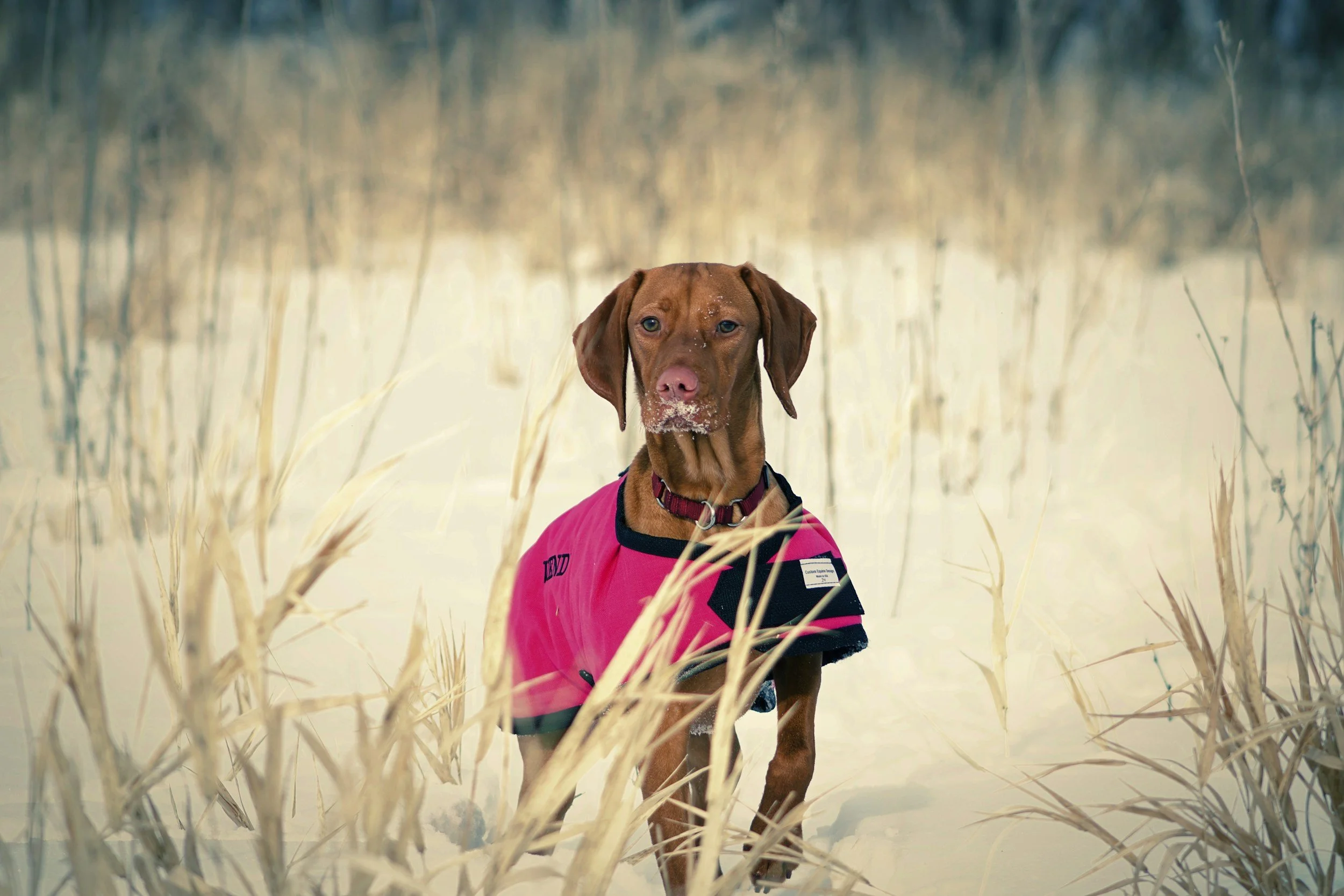
Winter Tips for Training in Colder Months
Because we’ll be in the darker, colder season, here are adjustments to keep your goals realistic and doable:
Pick indoor or sheltered locations for cues when weather is poor
Focus on cue training indoors (sit, stay, attention) when outside is unappealing
Make sure the dog is warm, dry and comfortable so nothing interferes with focus
Schedule sessions when daylight or better weather windows occur (lunch, afternoon)
Take advantage of weekend daylight for slightly longer sessions
Use ambient noise or distractions indoors to generalise cues to real-world conditions
By blending indoor and outdoor training, your goals stay alive even when winter hits hard.
New year resolutions for dog training don’t have to be grand or intimidating - they’re most effective when simple, measurable, and revisited regularly.
By choosing one or two meaningful goals, breaking them into substeps, using a planner or tracker, and staying consistent (even through winter), you turn training from wishful thinking into a living process!
You’ll not only emerge from winter with a stronger bond and more confidence as an owner - you’ll also set the tone for a year of growth, learning and joy with your dog.
If you’d like help developing a tailored training plan or accountability system for your dog, reach out at ASCENDK9 - we’d love to work with you through the winter - and beyond!