

What is Proofing in Dog Training?
Proofing is a critical step in dog and puppy training that takes behaviours beyond the basics and turns them into reliable obedience you can count on in the real world.
It means practicing a command or skill in a range of environments, situations, and distraction levels so your dog understands that the cue applies everywhere - not just at home.
Dogs are naturally good at learning in familiar, quiet settings, but they don’t automatically generalise that learning to new places or distractions. Proofing helps them generalise behaviours so they work on walks, at the park, around other dogs, and in everyday life.
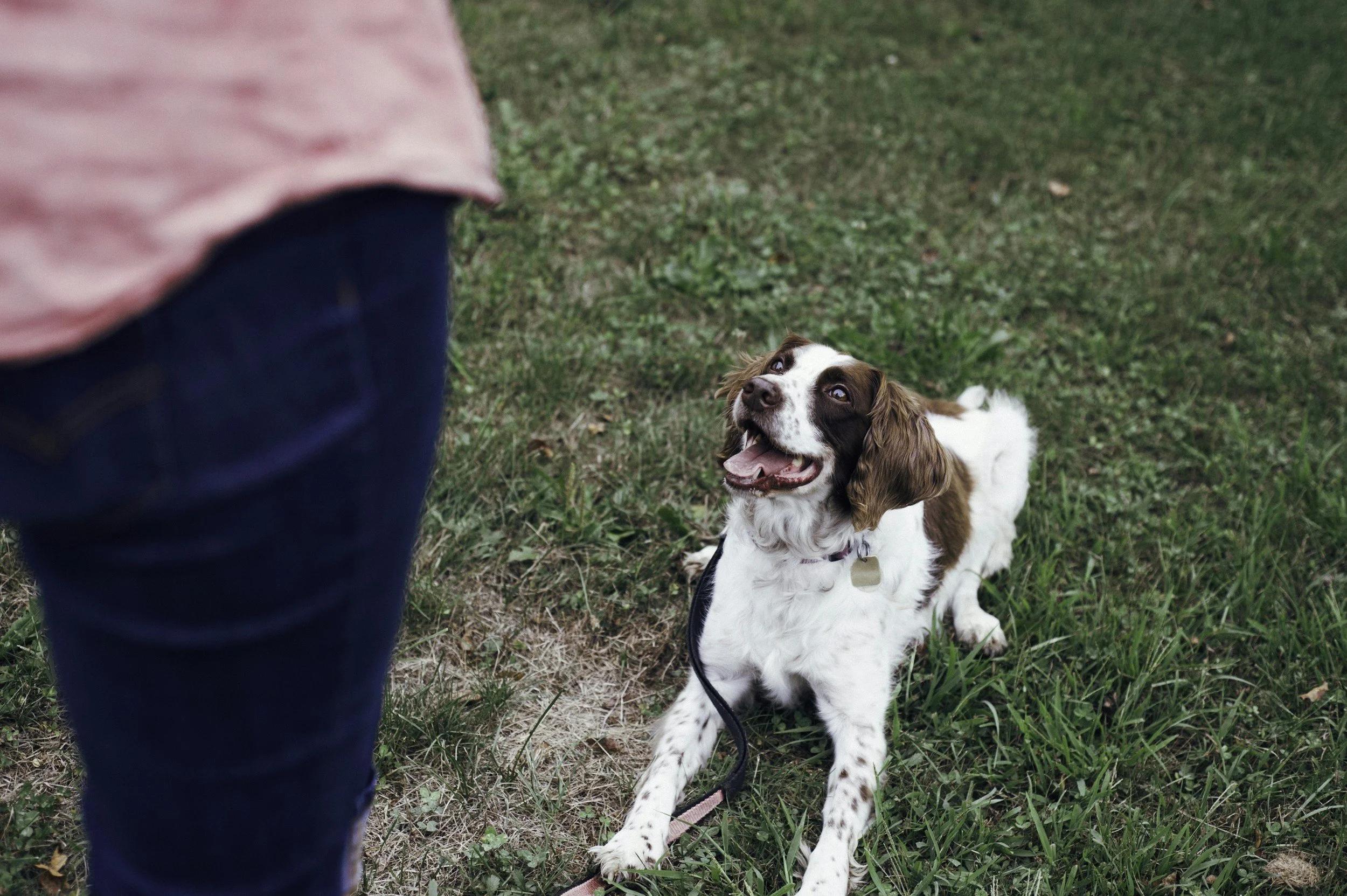
Training isn’t finished when your dog gets it right once… proofing is what makes it reliable.
Why Proofing Matters for Reliable Obedience
Proofing isn’t a “bonus” step - it is what makes training truly effective. Without proofing, a dog might:
Sit perfectly at home, but ignore the cue in the park.
Offer behaviours only when distractions are low.
Respond to a command in familiar places, but not in new situations.
Here’s why proofing is essential:
Reliable obedience in real life - your dog listens even with distractions.
Safety and control - critical for recall, stays, loose-lead walking, etc.
Strong focus and attention - dogs learn to prioritise your cues.
Confidence for your dog - they know what’s expected despite challenges.
Mental stimulation - engaging your dog’s brain builds deeper learning.
For a deeper explanation on generalising behaviours and proofing principles, check out Best Friends Animal Society’s guide on proofing behaviours
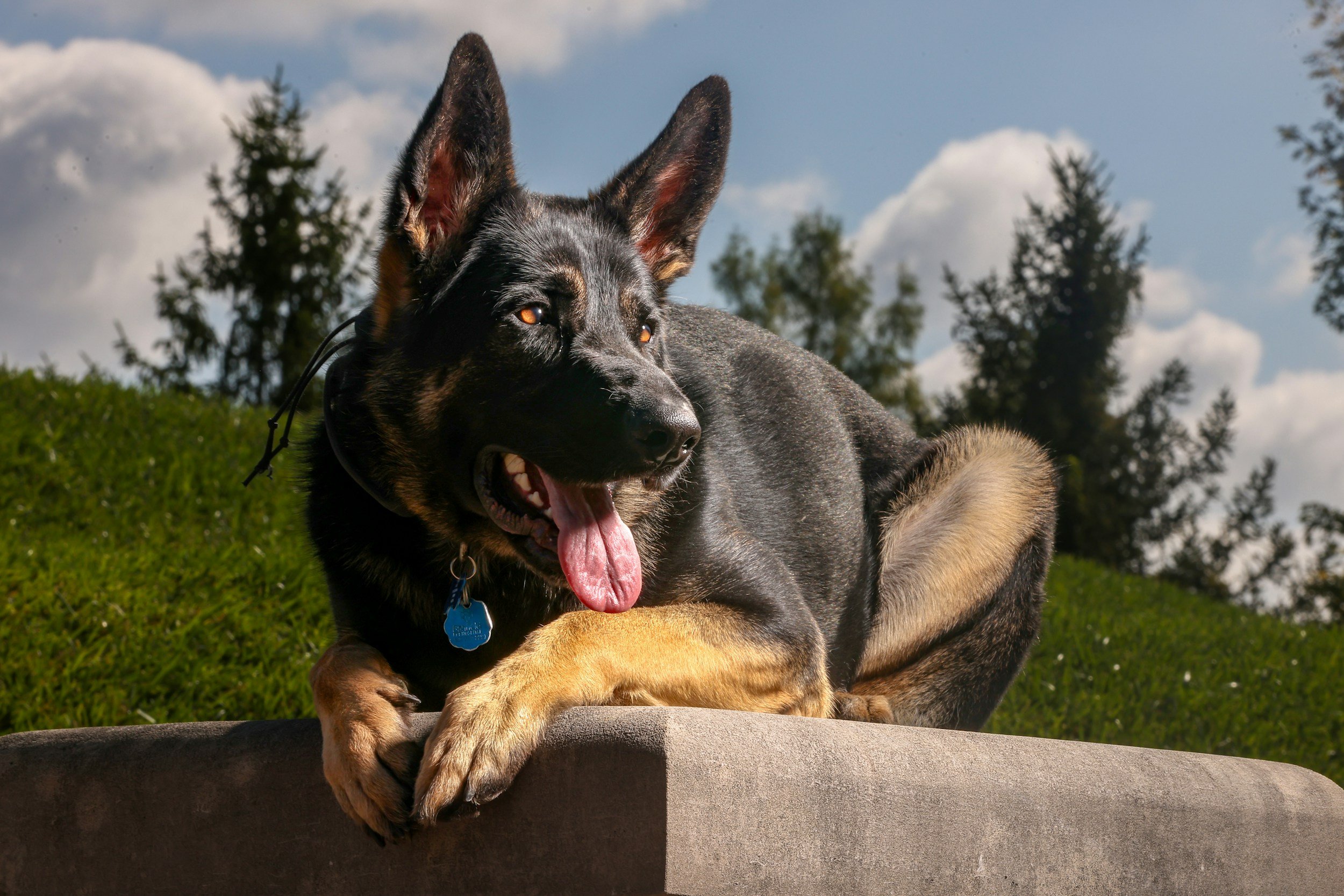
Proofing builds confidence, clarity, and consistency.
The Building Blocks of Proofing
Proofing is often described using variables like the 3 D’s - Distance, Distraction, and Duration. These help you make training progressively more challenging without overwhelming your dog.
Distance - Can your dog do it when you’re farther away?
Distraction - What happens when other dogs, people, or toys are around?
Duration - How long can your dog hold the behaviour?
By adjusting one variable at a time, you give your dog the best chance of success.
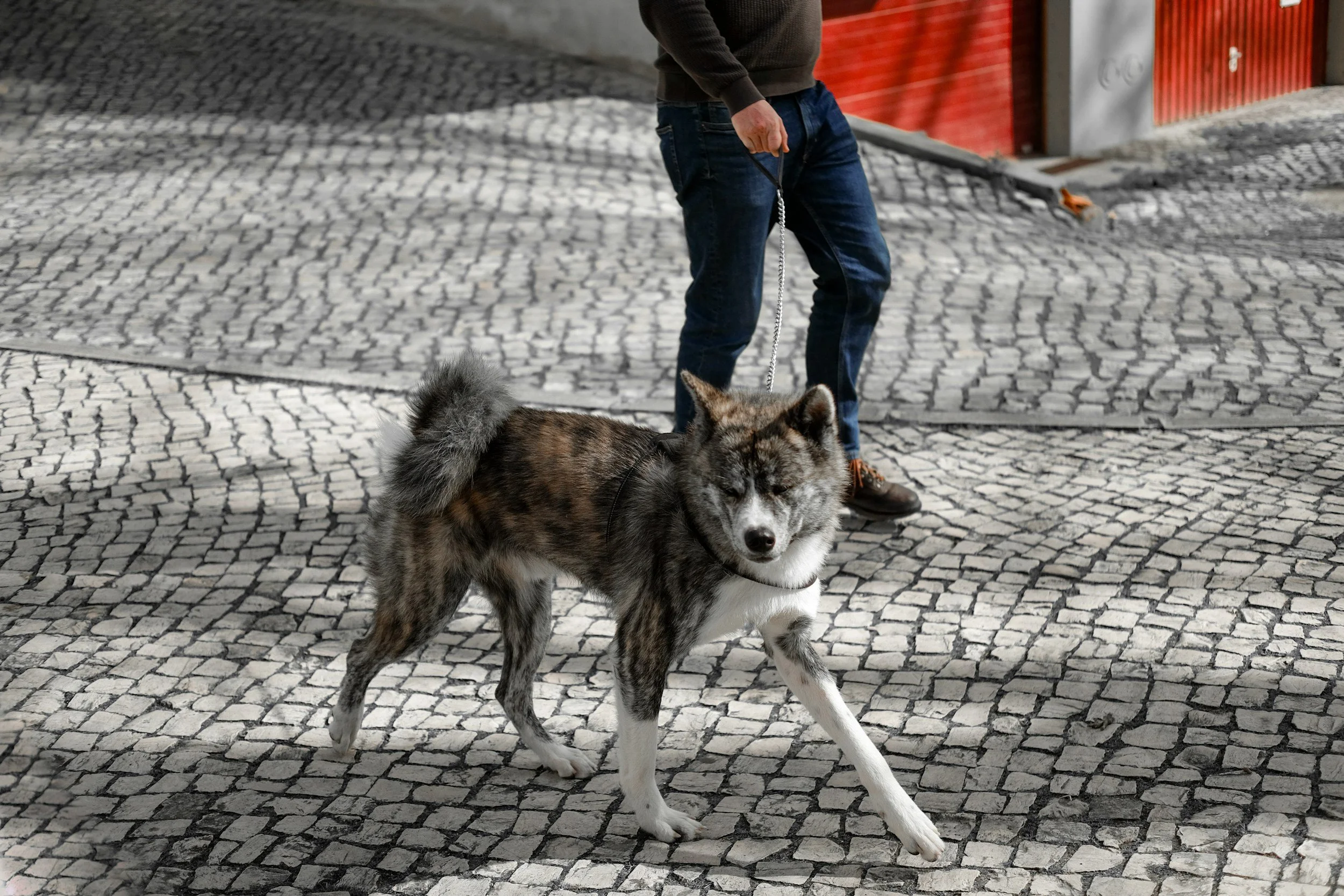
Calm focus comes from repetition in different environments.
How to Start Proofing: A Simple Guide
Here’s a step-by-step approach you can follow at home and slowly build into real-world settings:
1. Master the Basics First
Make sure your dog already knows the behaviour well in a calm, distraction-free environment. Proofing should only begin once the skill is solid.
Examples to master before proofing:
Sit
Down
Stay
Recall (come when called)
2. Change Locations
Practice the behaviour in different environments:
Indoors → garden → park → busy street
On grass → gravel → concrete
This helps your dog generalise the cue beyond one place.
3. Increase Distractions Gradually
Start with easy distractions (a toy nearby) and build up to more challenging ones (other dogs walking past). Don’t overwhelm your dog - increase distraction only when they succeed.
Examples:
Throw a toy in the distance
Someone walking by
Other dogs sniffing around
4. Vary Distance & Duration
Once your dog is reliable close-by, move a few steps away and ask again. Then build the time they hold the behaviour.
Try:
Sit → Stay for 10 seconds
Recall from 5 metres → 20 metres
Down with increasing time
5. Combine Variables
As your dog improves, slowly combine distance, distraction, and duration. For example: a 20-metre recall with another dog walking nearby.
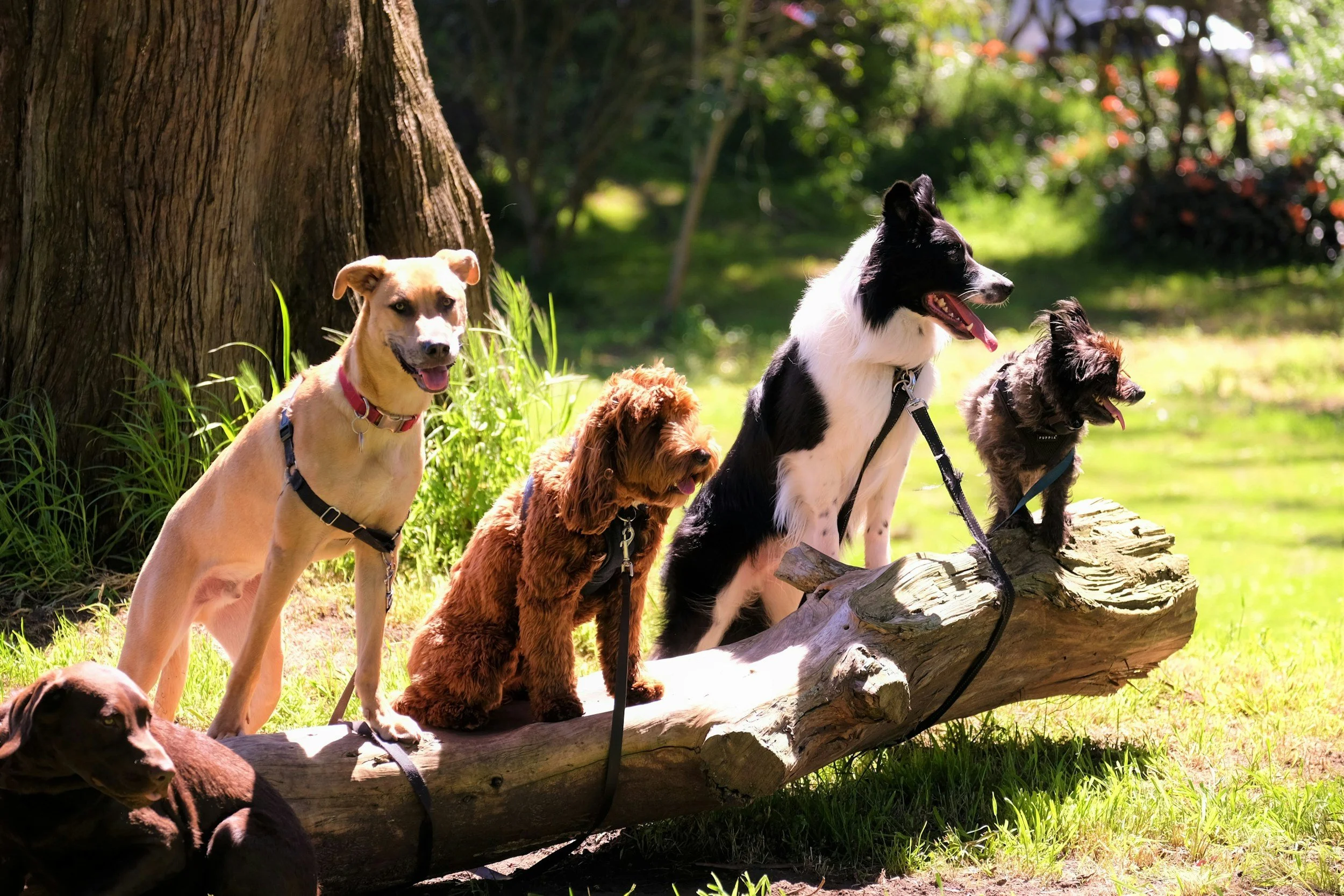
Distance, duration, distraction - change one at a time.
Proofing Tips for Success
Only change one variable at a time - distance, distraction, or duration.
Keep sessions short and reward success generously.
Proof behaviours in real-world settings regularly.
If your dog struggles, take a step back and build confidence.
Proofing transforms basic training into reliable, real-world obedience - giving you more control, safety, and enjoyment with your dog. It takes patience and consistency, but the payoff is a dog that listens everywhere and in all situations!
For ideas on the types of places you can start proofing behaviours with your dog, check out our recent post My Favourite Places to Practice Dog Training in the Lea Valley (And Why Recall Matters More Than Ever)