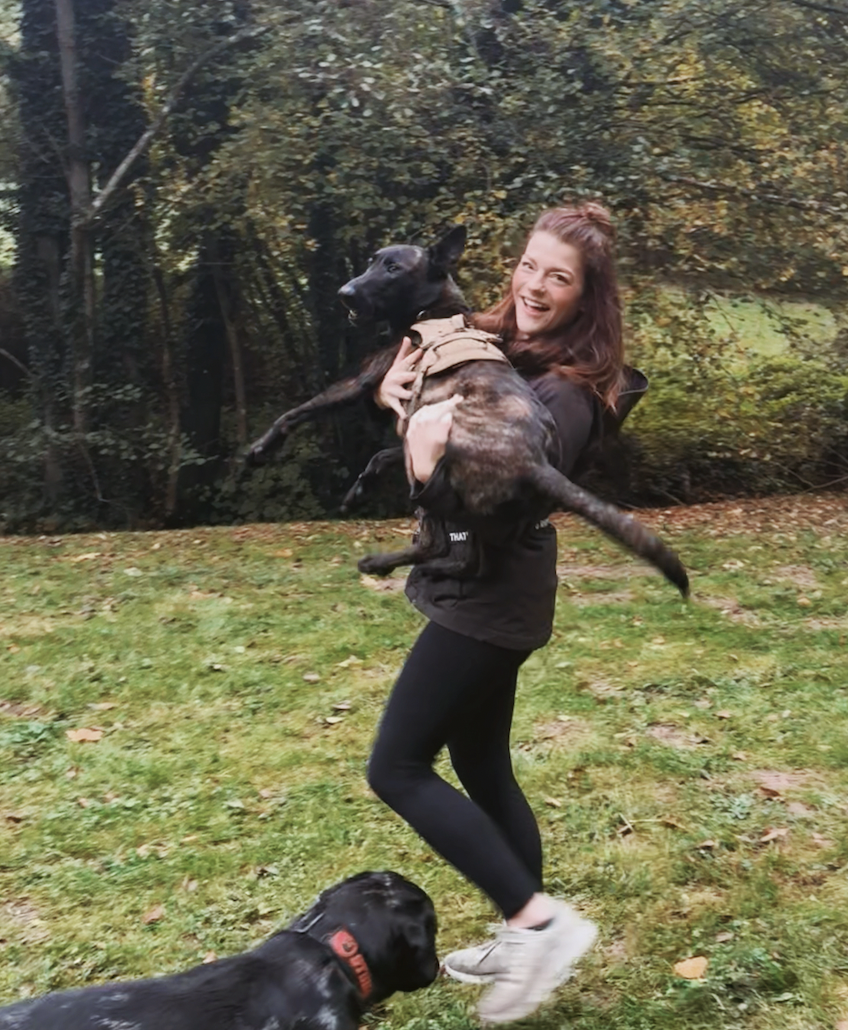

The 5 biggest lies we tell ourselves in dog sport.
Most sport dogs don’t break because of sport.
They break because we misunderstood what “fine” looks like.
Hi.
I’m Sarah. Physiotherapist. Dog trainer.
And yes — I’m the slightly annoying “health-first” person in the room.
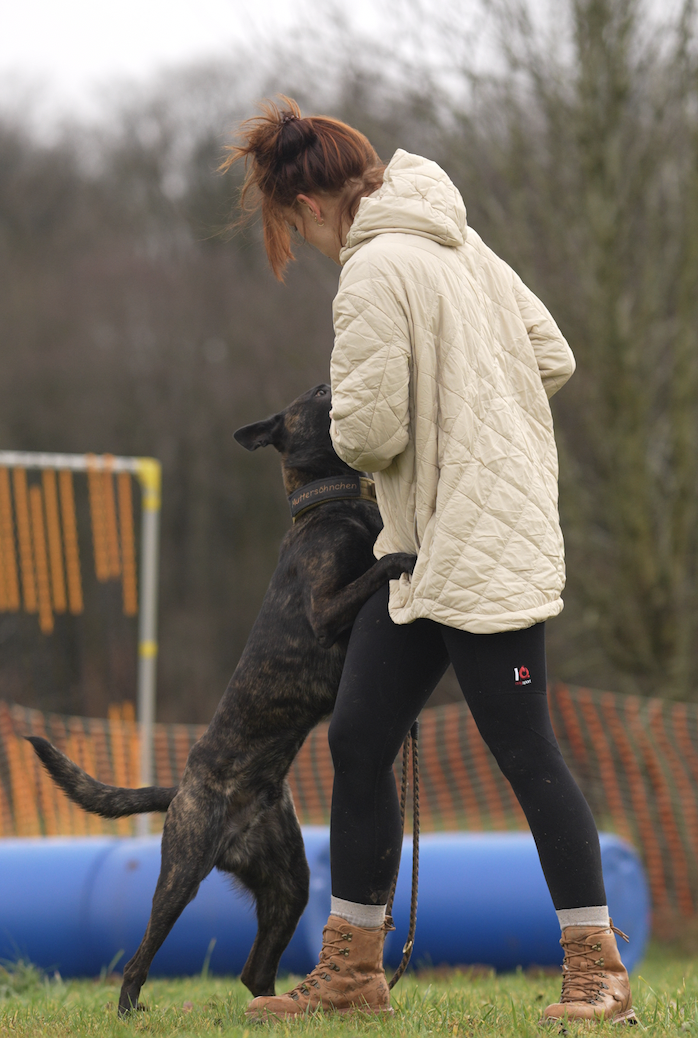
Not because I hate ambition.
But because I love longevity.
So let’s talk about the five biggest misunderstandings I see in prevention — every single week.
➡️“My dog moves fine.”
No.
Your dog moves fast.
Your dog moves with drive.
Your dog moves through it.
That’s not the same as fine.
Speed hides compensation.
When movement is fast,
you don’t see micro-adjustments.
You don’t see subtle unloading.
You don’t see that one paw lands slightly outside.
That the spine rotates just enough.
That one hip drops half a centimetre.
Drive is a phenomenal distraction.
Especially in working dogs.
Slow it down - and you’ll often see:
uneven push-off
unstable transitions
subtle rotation
weight shifts before explosive effort
“Fine” usually means:
functional enough.
And functional enough is not the same as efficient.
And efficient is what protects longevity.
➡️“He looks fit.”
This one is different.
Because this isn’t about movement quality.
It’s about appearance.
Shiny coat.
Defined muscles.
Explosive take-offs.
Powerful bark.
Looks impressive.
But aesthetics don’t tell you:
how load is distributed
how joints handle deceleration
how stable the dog is under fatigue
whether strength is balanced
Looking strong is not the same as having capacity.
A beautiful heel doesn’t mean balanced shoulders.
A powerful sprint doesn’t mean protected hips.
A defined back doesn’t mean organised movement.
Fitness is capacity under load.
Not visual appeal.
And the body doesn’t care how good it looks on camera.
➡️“I warm up so my dog is fine.”
Good.
Now the uncomfortable question:
Do you know what you are warming up for?
Warm-up is not:
“doing some sits”
“a few spins”
“a little jogging”
Warm-up is preparation for specific load.
Canicross loads differently than obedience.
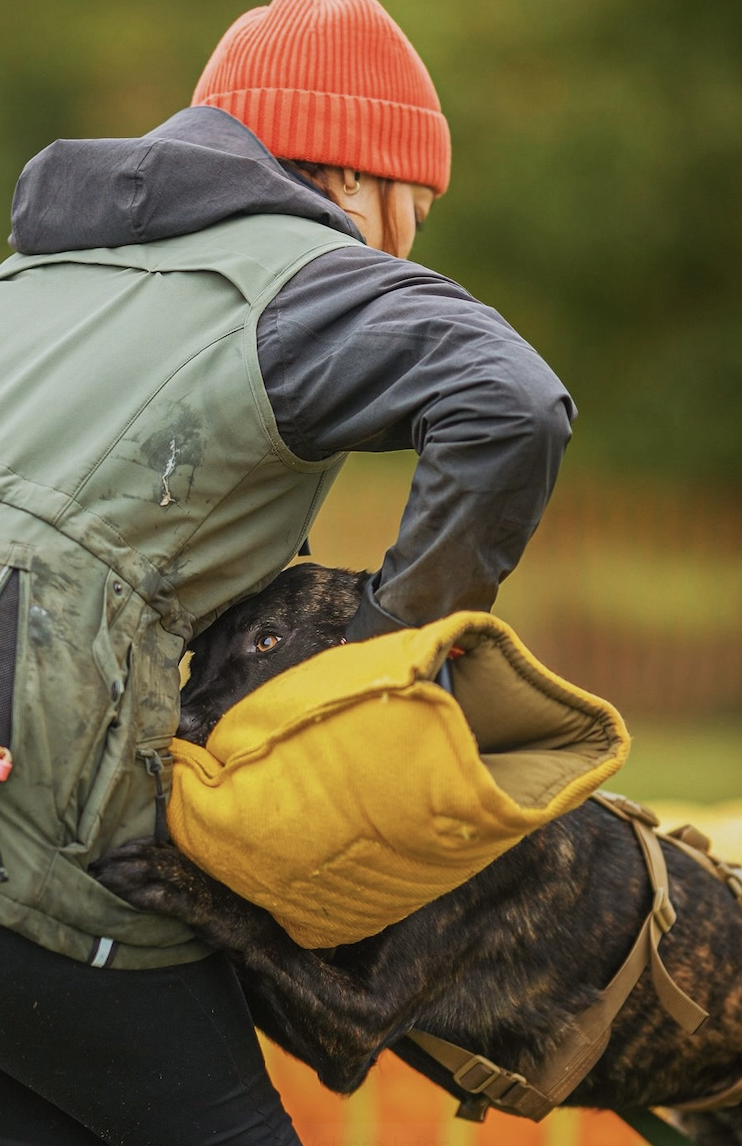
Obedience loads differently than bite work.
Explosive sprinting loads differently than controlled heeling.
If your warm-up looks identical
no matter what session follows -
you’re not preparing.
➜ You’re hoping.
➡️“More fitness solves everything.”
No.
More of the wrong stimulus just reinforces compensation.
If a dog unloads the right hind - and you add explosive backing up with high arousal -
you didn’t build strength.
You strengthened imbalance.
Fitness is not about doing fancy exercises.
It’s about:
correct execution
appropriate arousal level
controlled tempo
matching stimulus to actual deficit
Without observation from your side, fitness is guesswork.
And guesswork under load becomes a vet topic later.
➡️“He’s young. He’ll be fine.”
This one hurts the most.
Because youth hides consequences.
Young dogs compensate better.
Recover faster.
Mask overload more efficiently.
BUT: That doesn’t mean the load disappears.
It means the bill comes later.
And prevention always feels unnecessary -
until suddenly it isn’t.
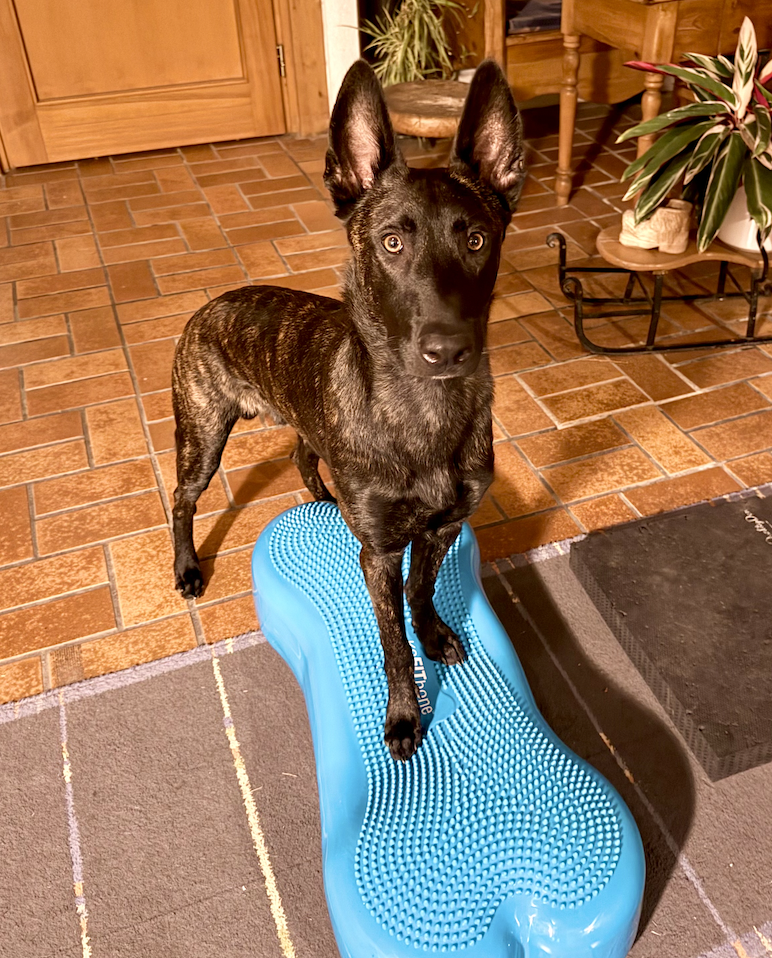
So what actually is prevention?
Not paranoia.
Not babying your dog.
Not stopping sport.
Prevention is:
• understanding load
• training your eye on movement quality
• recognising neutral posture
• spotting compensation early
• planning recovery intentionally
• adjusting before something breaks
It’s boring sometimes.
It’s structured.
It requires you to actually look.
But it’s the difference between a 3-year career and a 10-year one.
As a physiotherapist, I don’t just see injuries.
I see the months before them.
The slightly uneven sit.
The dog that always shifts weight before launching.
The “strong” movement that’s actually rotation.
The handler who says, “He’s always done that.”
That’s the moment prevention was possible.
And listen:
I know how loud social media is. 🎙️
I know how much time training already takes. ⏰
How much mental energy goes into planning sessions, driving to the field, managing life around sport.
We don’t get into dog sport because we love spreadsheets and load management.
We get into it for the spark.
For the focus in heeling.
For the grip in bite work.
For the perfect retrieve.
For that feeling when everything clicks.
And nothing about prevention feels as exciting as that.
But here’s the shift:
Prevention doesn’t take away from performance.
It protects it.
Learning to see doesn’t make training complicated.
It makes it honest.
And once you start noticing -
really noticing - you can’t unsee it.
If this made you slightly uncomfortable — good. 🤝
Discomfort is where better standards start. 🩵
Because your dog is not just a competitor.
He’s an athlete.
And athletes deserve preparation that matches their effort.
Train the skill.
Train the conditioning.
But above all:
Train your eye.
Because what you fail to see today
becomes what limits you tomorrow.
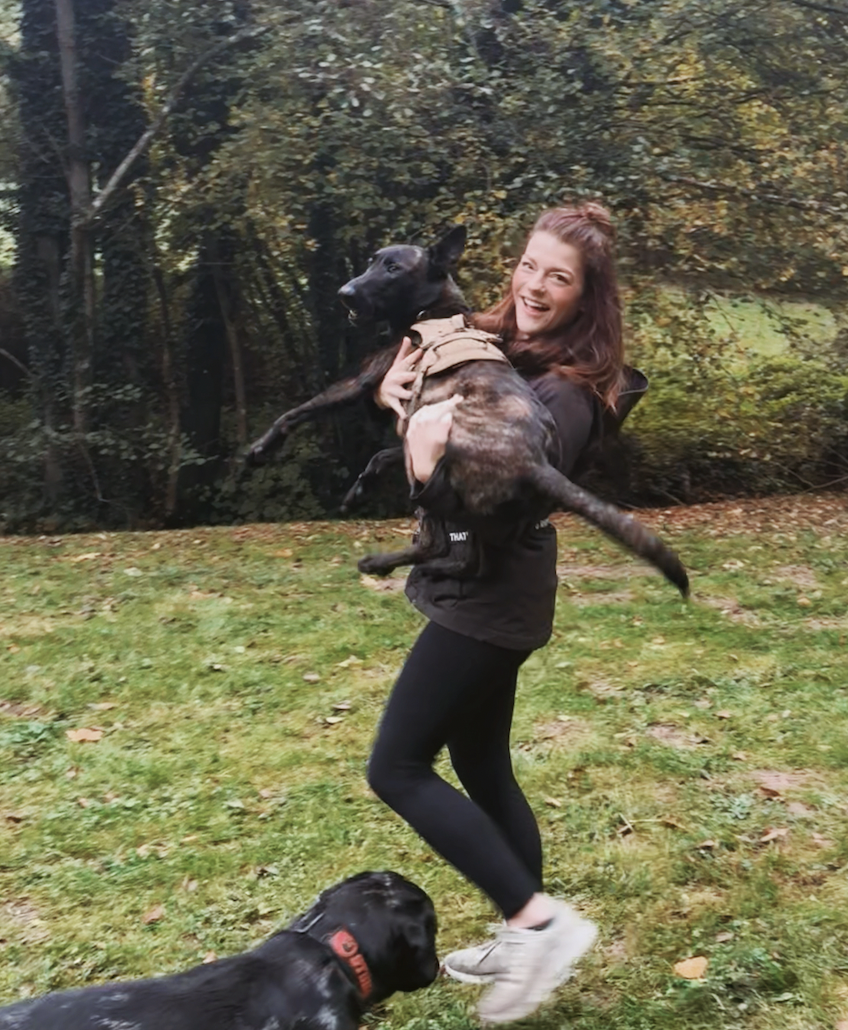
- Sarah, Barbs & Momo from Active-Paws-Academy