
How to Train Your Dog Safely in Summer Temperatures
As temperatures rise, dog training and daily walks need to be adjusted. Summer brings a different set of conditions that affect how dogs move, focus, and cope physically. Heat, surface temperatures, and longer daylight hours all change how we should be working with our dogs.
Dogs don’t regulate temperature in the same way humans do. They rely mainly on panting and have limited ability to cool down through sweat, which means overheating can happen quickly. This is something that becomes especially important during summer walks and training sessions, even when the weather doesn’t feel extreme to us.
Timing becomes one of the most important factors. Early mornings and later evenings are usually the safest times for walks and training. Midday heat can build quickly and often stays trapped in surfaces like tarmac, pavements, and artificial ground, which can remain hot long after the air temperature drops.
A simple way to check is to place your hand on the ground. If it’s too hot to hold comfortably, it’s too hot for your dog’s paws. Pad burns are one of the most common summer injuries and are often preventable with small adjustments to routine.
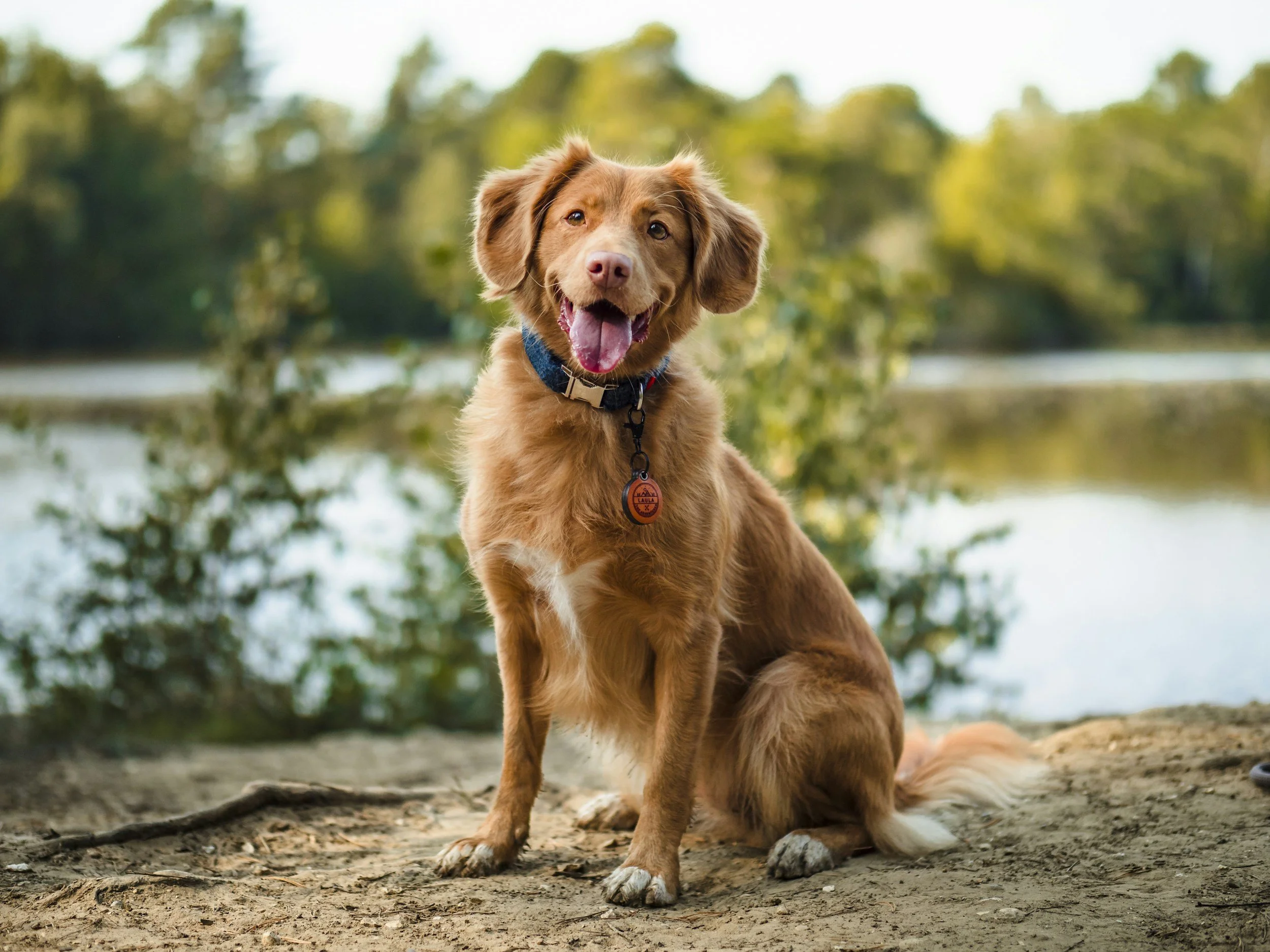
Shade and rest breaks should be part of every summer session
Adjusting training in hot weather
Training sessions in summer benefit from being shorter and more focused. Dogs tend to work better in controlled bursts when the physical pressure is lower, which makes this a good time to build clarity, engagement, and responsiveness.
Impulse control, calm focus around distractions, recall work in shaded areas, and simple obedience patterns all work well in warmer conditions. These types of exercises rely more on thinking and engagement rather than physical output, which suits hot weather better.
Reward choice also becomes important. Food can still be effective, but access-based rewards often play a bigger role in summer. Allowing a dog to move into shade, continue a walk, sniff, or explore their environment can be just as reinforcing as food. These natural rewards help maintain motivation while keeping the dog comfortable.
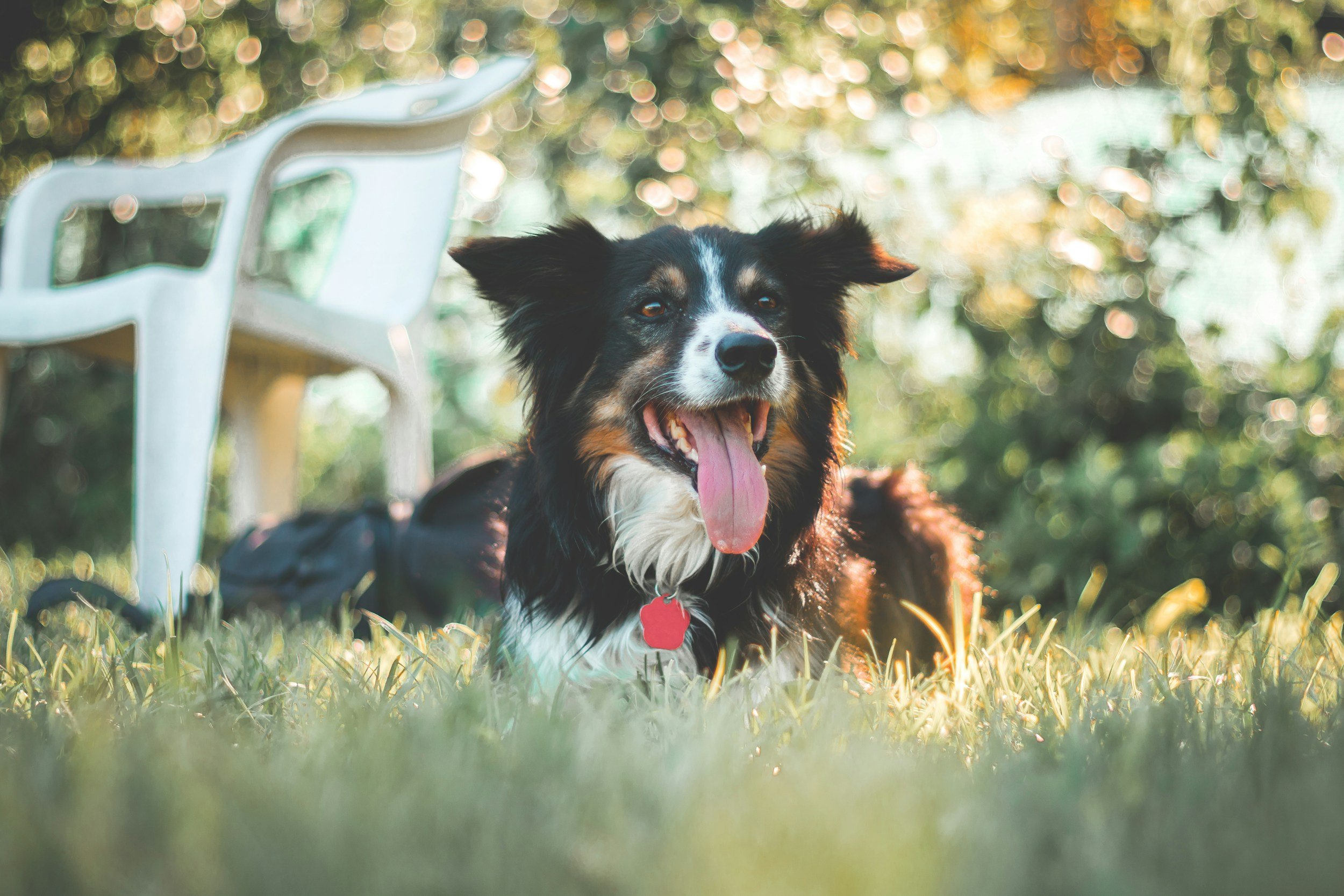
Pavements can burn paws - even when the air feels cool
Signs your dog is struggling with heat
Heat affects dogs gradually at first, so early signs are important to notice. These can include:
Heavy or persistent panting
Slowing down or lagging behind
Seeking shade or lying down frequently
Bright red or pale gums
Reduced interest in movement or interaction
If these signs appear, the session should stop immediately. The dog should be moved into a cool, shaded area and allowed to recover gradually. Water should be offered in small amounts. Continuing to walk or train in this state increases risk significantly.
Some dogs will always be more sensitive in heat, particularly flat-faced breeds, older dogs, and high-drive working breeds that struggle to self-regulate when engaged.
When to seek veterinary attention
Heat-related issues in dogs can escalate quickly, and early action matters. Contact a vet urgently if your dog shows any of the following:
Rapid or uncontrolled panting that doesn’t settle with rest
Collapse, weakness, or difficulty standing
Vomiting or diarrhoea after being in the heat
Bright red, very pale, or bluish gums
Disorientation, confusion, or unresponsiveness
Excessive drooling combined with lethargy
Signs that worsen even after moving to a cool environment
If you suspect heatstroke, treat it as an emergency. Move your dog into shade or a cool area immediately, offer small amounts of water, and begin cooling with cool (not ice-cold) water on their body, particularly paws, belly, and groin area, while arranging urgent veterinary care. Do not delay seeking help while waiting to see if they improve.
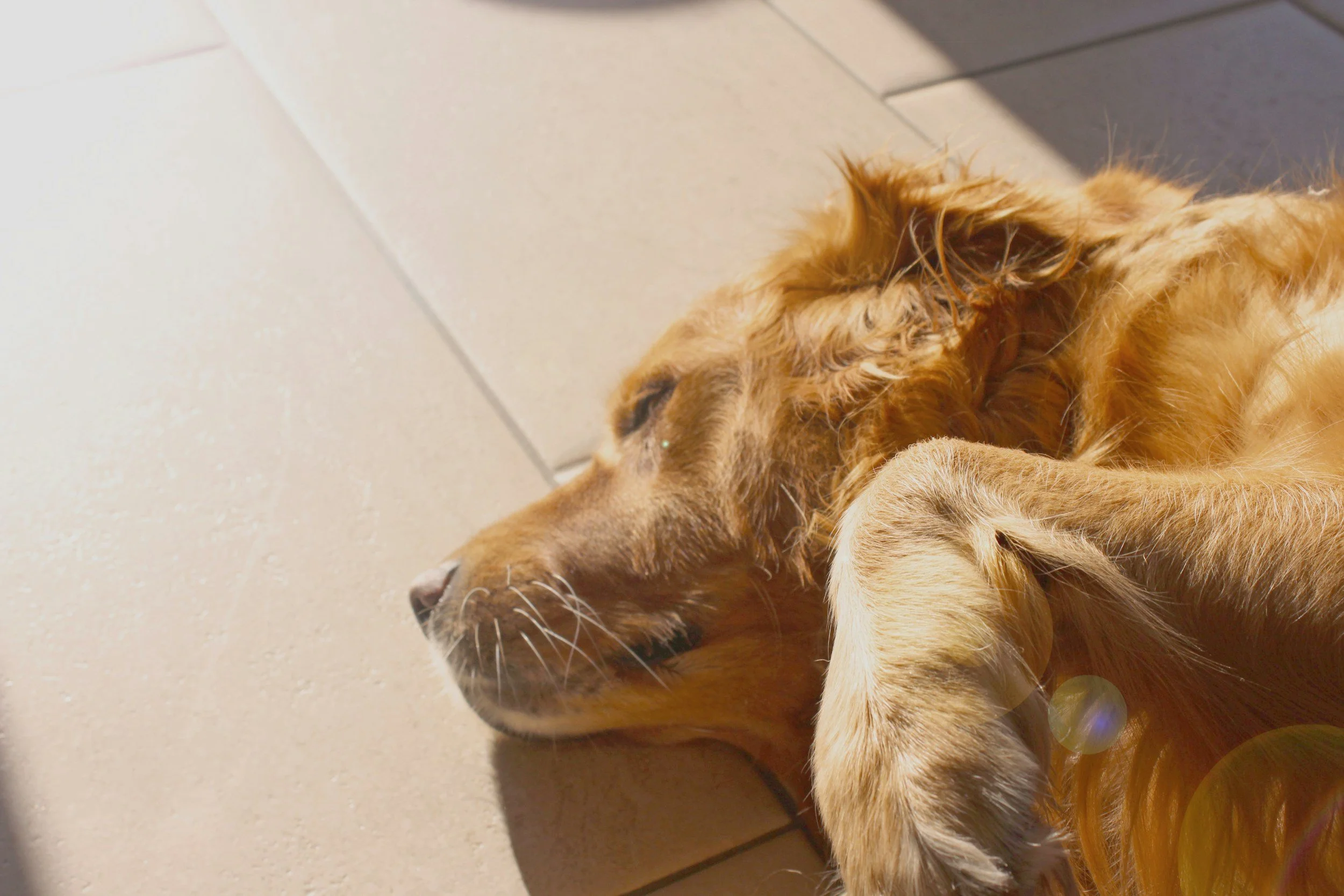
Heat stress can develop before obvious symptoms show
Building better summer training habits
Summer provides a good opportunity to refine training structure. Shorter sessions often produce better results because they encourage focus without overwhelming the dog physically. This works particularly well for recall and everyday obedience work where clarity matters more than repetition.
Training can also be adapted to include more natural environmental rewards. Sniffing, movement, and controlled freedom all contribute to engagement and help maintain motivation without overloading the dog.
in the UK, sudden temperature increases change how dogs experience training, walks, and the environment around them. Adjusting routines during hotter months helps prevent discomfort, reduces risk, and often improves focus because dogs are working within their physical limits.
Clear communication, appropriate rest, and sensible conditions all support better learning. When a dog is comfortable, they’re more able to focus, respond, and stay engaged - which is what real-world training depends on.