

Displacement Behaviour in Dogs: What It Really Means and Why It Matters
If you’ve ever noticed your dog suddenly sniffing the ground, scratching, yawning, or shaking off during training or stressful situations, you might be seeing displacement behaviours in dogs.
These behaviours are often misunderstood, brushed off as “random” or even labelled as stubbornness. In reality, displacement behaviours are a form of communication - and learning to recognise them can make a huge difference to your dog’s emotional wellbeing, confidence, and training success.
In this blog, we’ll break down:
What displacement behaviour in dogs actually is
Why it happens
What it tells you about your dog
What you should do if you notice it

Displacement behaviours are a form of communication, not disobedience.
What Is Displacement Behaviour in Dogs?
Displacement behaviour in dogs refers to normal, everyday actions that appear out of context and are used as a coping mechanism when a dog feels conflicted, stressed, uncertain, or emotionally overwhelmed.
In simple terms, your dog is trying to self-regulate.
Instead of reacting explosively or shutting down completely, they redirect that emotional pressure into a behaviour that helps them feel safer in the moment.
Common examples include:
Sniffing the ground
Scratching or licking themselves
Yawning
Shaking off (as if wet)
Sudden interest in food or the environment
Slow or exaggerated movements
These behaviours are a key part of dog behaviour and are especially common in anxious dogs or dogs navigating new learning environments.
Why Do Displacement Behaviours Happen in Dogs?
Displacement behaviours occur when a dog experiences internal conflict - for example:
Wanting to engage, but feeling unsure
Wanting to comply, but not understanding
Wanting to move away, but feeling restrained (physically or emotionally)
This is particularly common during:
Training sessions
Social interactions with unfamiliar dogs or people
Busy or stimulating environments
Situations where pressure or expectation feels high
From a learning perspective, displacement behaviours are often a sign that the dog is trying their best, but something in the situation is tipping them into stress rather than clarity.
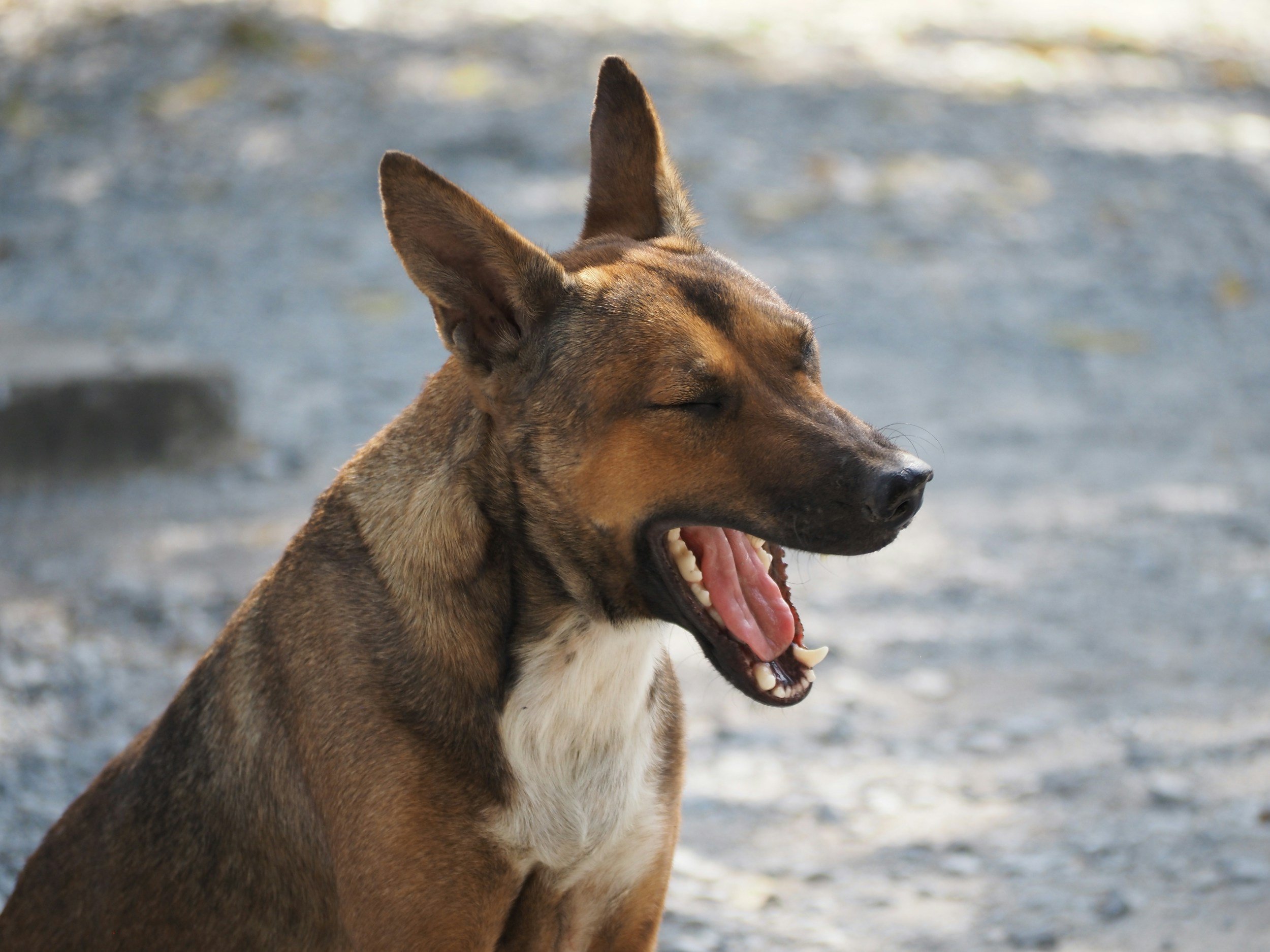
Yawning isn’t always tiredness.
Common Displacement Behaviours and Signs of Stress in Dogs
Understanding signs of stress in dogs allows you to intervene before stress escalates into reactivity, shutdown, or avoidance.
Look out for:
Repeated sniffing with no clear purpose
Excessive yawning (outside of tiredness)
Lip licking when no food is present
Scratching or biting at paws during training
Sudden disengagement or wandering off
Slowed responses or “zoning out”
These are not “bad behaviours”. They are information.
Dogs that frequently show displacement behaviours are often:
Over-threshold
Lacking clarity
Feeling pressured
Still building emotional resilience
What Displacement Behaviour Tells You About Your Dog
Displacement behaviours are your dog’s way of saying:
“This is a bit much for me right now.”
They tell you:
Your dog may need more clarity
The environment may be too challenging
The session may be too long or intense
Emotional safety needs to be prioritised
For trainers and owners, this information is gold.
At ASCENDK9, we actively watch for displacement behaviours during training because they guide how we adjust:
Session structure
Environment choice
Reinforcement strategies
Expectations placed on the dog
This is how confident, thinking dogs are built - not through pressure, but through understanding.
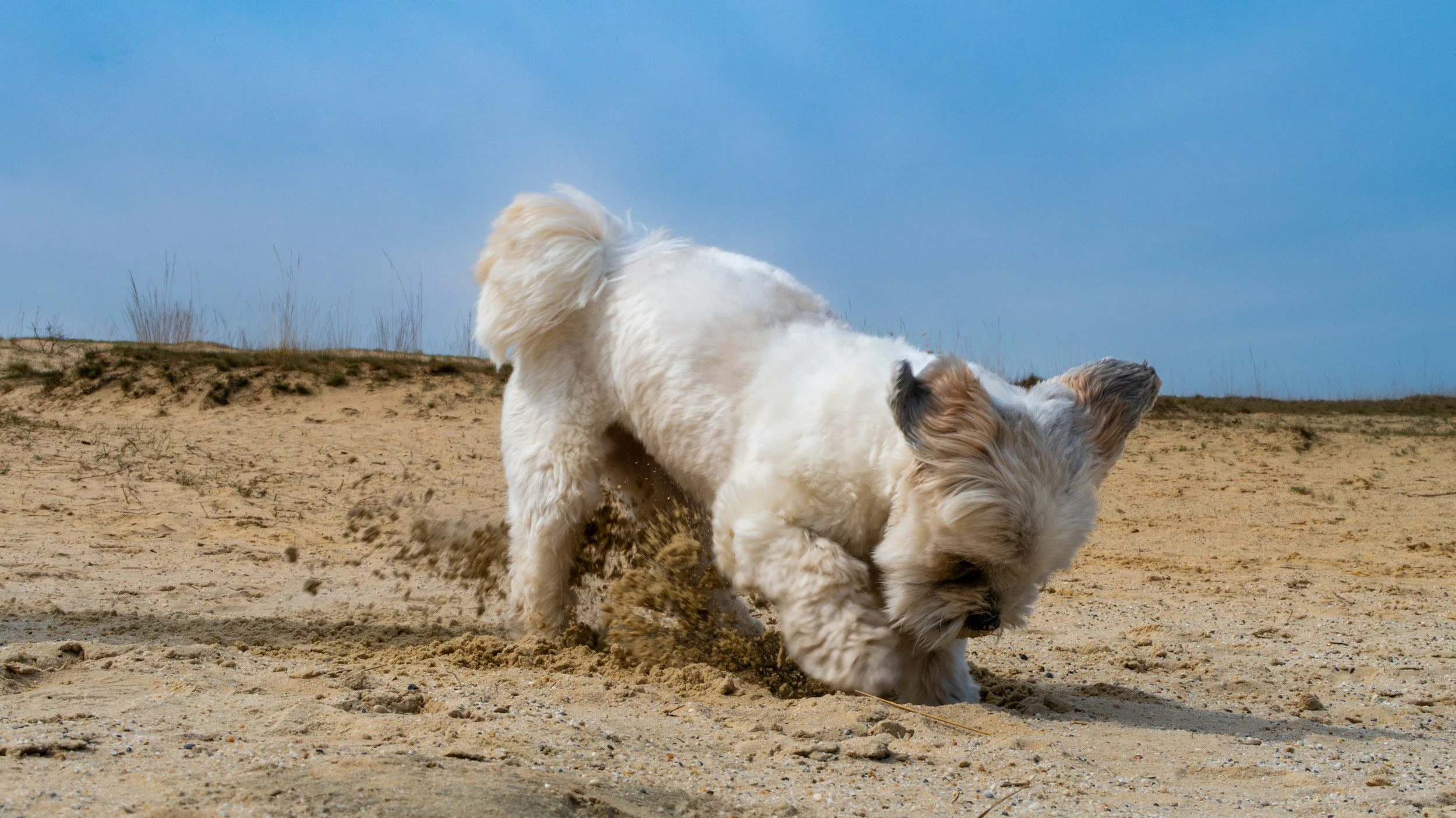
Good training responds to displacement behaviours - it doesn’t punish them.
What Should You Do If You Notice Displacement Behaviours?
If your dog is showing displacement behaviours, here’s what to do (and what not to do):
Do This
Pause or lower the difficulty
Increase distance from triggers
Add clarity through simple, achievable tasks
Reinforce engagement and choice
Shorten sessions and prioritise quality
+ Avoid This
Repeating cues louder
Adding pressure or corrections
Interpreting it as defiance
Pushing through “because they should know better”
For anxious dogs especially, learning happens best when emotional safety comes first.
Displacement Behaviour, Anxiety, and Training Success
Displacement behaviours don’t mean your dog can’t cope - they mean your dog is communicating.
When training supports emotional regulation, dogs:
Build resilience
Learn faster
Offer engagement willingly
Develop trust in their handler
This is why modern, relationship-led dog training in Essex focuses on reading behaviour rather than suppressing it.
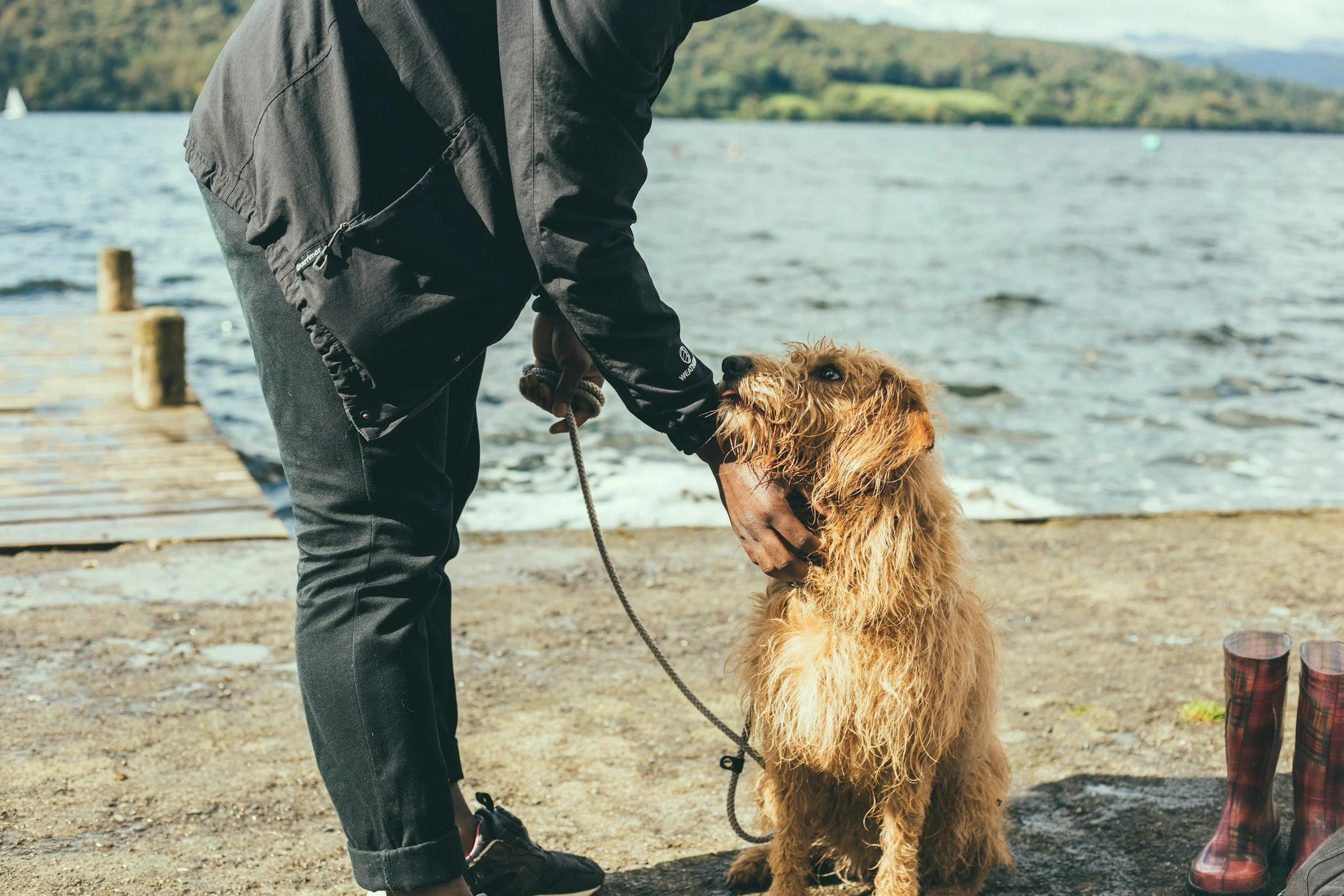
Displacement behaviours often appear during training. Not because your dog is “being difficult” - they’re processing information.
When to Seek Professional Support
If displacement behaviours are frequent, escalating, or paired with avoidance, reactivity, or shutdown, it’s time to seek professional guidance.
A tailored training approach can help:
Reduce stress responses
Improve clarity and confidence
Create calmer behaviour in real-life situations
Support both dog and owner as a team
You can learn more about our personalised training services here:
Private Dog Training with ASCENDK9
For further reading from trusted sources: