
One of the biggest foundations of successful dog training is communication.
We often focus on the behaviours we want our dogs to learn. We want them to walk nicely on the lead, come back when called, settle when asked and respond reliably around distractions.
But something that's just as important is whether our dogs actually understand what we're communicating to them.
Dogs don't automatically understand the words we use, the expectations we have or the behaviours we're trying to teach. They learn through experience, repetition and the consequences of their actions.
If our communication is inconsistent, unclear or difficult for our dogs to interpret, we can make the learning process unnecessarily confusing.
This is why I place so much importance on establishing clear communication from the beginning.
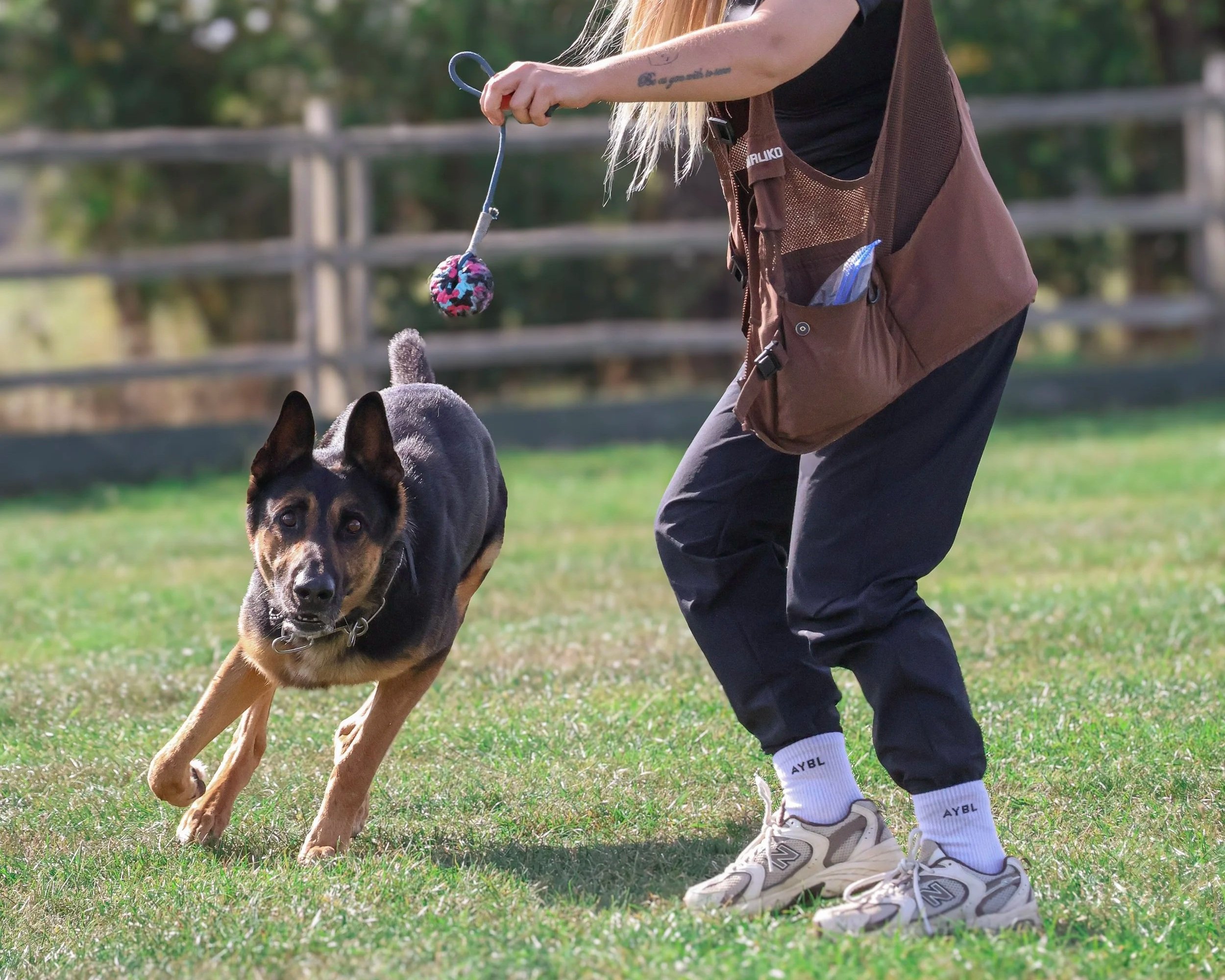
1. Your dog can't understand expectations you've never taught
It's easy to become frustrated when our dogs don't respond in the way we expect.
We might repeat a command several times, become increasingly frustrated when they don't listen or assume they're deliberately ignoring us.
But it's worth taking a step back and considering whether we've actually taught them what we're asking.
For example, telling a dog to stay doesn't automatically mean they understand how long they're expected to remain in position, what happens when the exercise is finished or whether they're allowed to move when something catches their attention.
Similarly, telling a dog to walk nicely doesn't necessarily give them a clear understanding of where we want them to be or what the expectations are when they're walking alongside us.
We need to break things down, teach the individual components and make sure our dogs understand what different words and signals mean.
Rather than repeatedly asking for something our dog hasn't fully understood, we should focus on making the communication clearer.
2. Establish a clear reward marker
One of the first things I introduce when working with clients is a terminal marker.
A terminal marker is a word or sound that tells the dog they've performed the correct behaviour and that reinforcement is coming.
For many of my clients, this is the word "yes".
The idea is to condition the word so that it develops a consistent meaning for the dog.
When we say "yes", we're communicating that the behaviour they were performing at that moment was correct and that they've earned their reward.
This might sound like a small detail, but it can make a significant difference to how clearly we communicate during training.
Without a clear marker, owners can sometimes struggle with the timing of their rewards. They might reach into their pocket, move towards the dog or deliver the food several seconds after the behaviour has happened.
The dog may then associate the reward with something completely different.
A properly conditioned marker helps bridge that gap.
How to introduce a terminal marker
Start somewhere quiet with a portion of your dog's normal daily food allowance.
Say your chosen marker word, such as "yes".
Immediately follow it with a piece of food.
Repeat this in several short sessions.
Once your dog begins to understand the association, start using the marker during simple training exercises.
Mark the exact moment your dog performs the behaviour you're looking for, then deliver the reward.
Timing matters. The marker should come immediately after the behaviour you want to reinforce.
Over time, this becomes a really useful way of communicating clearly with your dog.
3. Be consistent with your words and commands
Another common source of confusion is inconsistency in the language we use.
For example, if you're teaching your dog to come back when called, decide which word you're going to use and stick with it.
If one person says "come", another says "here" and someone else uses the dog's name repeatedly, it can become harder for the dog to recognise exactly what is being asked.
The same applies to everyday obedience.
If you're introducing a heel command, establish what that position means and use the same word consistently.
If you're teaching a break command, make sure your dog understands that this is the release from the exercise.
It's not about having a complicated vocabulary or expecting your dog to understand dozens of commands.
It's about making sure the words we choose have clear, consistent meanings.
The more predictable our communication becomes, the easier it is for our dogs to understand what we're asking of them.
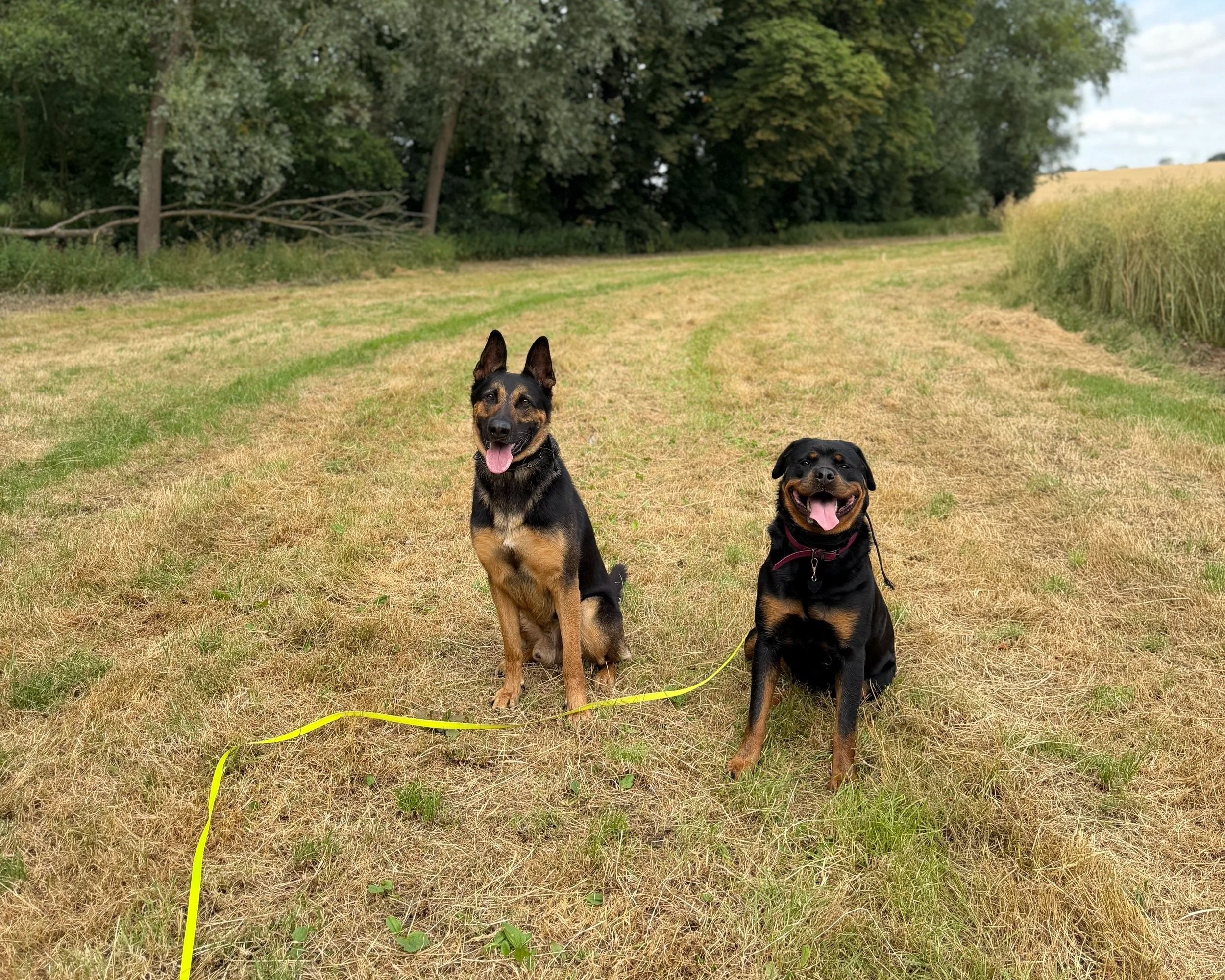
4. Teach your dog when they're working and when they're free
One of the things I find particularly useful is establishing a distinction between structured work and freedom.
For example, I use heel and break commands to create clear expectations around lead walking.
Heel communicates that I want my dog in a particular position, engaged with the exercise and following my guidance.
Break communicates that the exercise has finished and they're free to move around, sniff and explore within the boundaries of the situation.
This distinction is useful because it removes some of the uncertainty from everyday walks.
Rather than expecting a dog to walk beside us for an entire outing or allowing them to pull wherever they want, we can create different periods with different expectations.
It also helps owners become more intentional about their handling.
A dog should be able to understand when we're asking for structured engagement and when they're being given the opportunity to explore.
These are different activities, and our communication should reflect that.
5. Understand the importance of timing
Communication isn't just about the words we use. Timing is equally important.
Dogs learn through associations, which means the timing of our feedback can influence what they understand from an interaction.
If we reward a dog several seconds after they've performed the behaviour we wanted, there's a greater chance that they've already moved on to something else.
Likewise, if we're trying to interrupt an unwanted behaviour but our timing is poor, we may end up addressing something other than the behaviour we intended.
This is particularly important when working around distractions.
Imagine asking your dog to disengage from another dog and rewarding them when they look back towards you.
We need to mark that moment clearly so they understand that disengaging and reconnecting with us was the behaviour that earned reinforcement.
Good timing helps remove the guesswork from training.
6. Communication isn't limited to verbal commands
Dogs are constantly taking information from their environment, and our body language, movement and handling all contribute to the communication between us.
Think about how you move when walking your dog.
Are you consistently changing direction without giving them any information? Are you applying pressure to the lead without teaching them how to respond? Are your movements helping them understand where you want them to be?
Lead handling is a good example of this.
Lead pressure can provide useful information, but it needs to be introduced and taught clearly.
If a dog feels pressure on the lead but has no understanding of how to respond to it, simply increasing that pressure is unlikely to create better communication.
We need to teach the dog what the information means and give them an opportunity to respond correctly.
The same principle applies to our body language and positioning during obedience exercises.
Our dogs are learning from much more than the words coming out of our mouths.

7. Consistency between people matters too
Something else worth considering is whether everyone in the household is communicating with the dog in the same way.
If one person allows a particular behaviour while another consistently discourages it, the dog is receiving different information depending on who they're interacting with.
This doesn't mean every person needs to handle the dog in exactly the same way or that everyone needs to become an experienced trainer.
However, agreeing on some basic expectations and using consistent commands can make a real difference.
This is particularly important when establishing household boundaries, teaching recall, managing lead walking and working through behavioural challenges.
The more consistent the information your dog receives, the easier it becomes for them to understand what is expected.
8. Clear communication builds confidence
Something I think is sometimes overlooked is the relationship between communication and confidence.
When a dog understands what we're asking, what behaviour is expected and how they can be successful, training becomes a much clearer experience.
They don't need to constantly guess what we're looking for.
This can be particularly valuable for dogs that struggle with uncertainty, anxiety or environmental distractions.
For these dogs, clear communication and predictable expectations can help create a sense of stability.
Rather than leaving them to make every decision independently, we can provide guidance and help them understand how to navigate different situations.
This doesn't mean removing their ability to make choices or explore their environment. It's about providing communication they can understand and rely on.
Training is a conversation, not just a list of commands
I often think we put too much emphasis on the commands we want our dogs to know and not enough on the communication that makes those commands meaningful.
A dog that can perform a sit in the living room isn't necessarily a dog that understands how to respond to us in a busy environment.
A dog that knows their recall word isn't necessarily going to return reliably when something more exciting catches their attention.
Training involves building understanding over time, gradually introducing distractions and creating consistent experiences that help our dogs make the right decisions.
It's also our responsibility to recognise when we're not being clear enough.
If our dog repeatedly struggles to understand what we're asking, we need to consider whether we need to change our approach rather than simply repeating the same instruction.
At ASCENDK9, I believe clear communication is one of the most important foundations of a successful relationship between dog and handler.
It's not about having a dog that blindly follows commands. It's about developing an understanding that allows us to work together, navigate everyday situations and build the reliability needed for greater freedom.