
Walking your dog should be something you can both enjoy. But if you're constantly being pulled down the pavement, struggling to get your dog's attention or finding yourself holding on for dear life every time they spot something interesting, it can quickly become frustrating.
Lead pulling is one of the most common challenges dog owners experience, but it's also one of the behaviours that can be misunderstood.
The first step towards improving your dog's loose lead walking isn't necessarily buying a different harness or trying to tire them out before a walk. It's understanding why they're pulling in the first place.
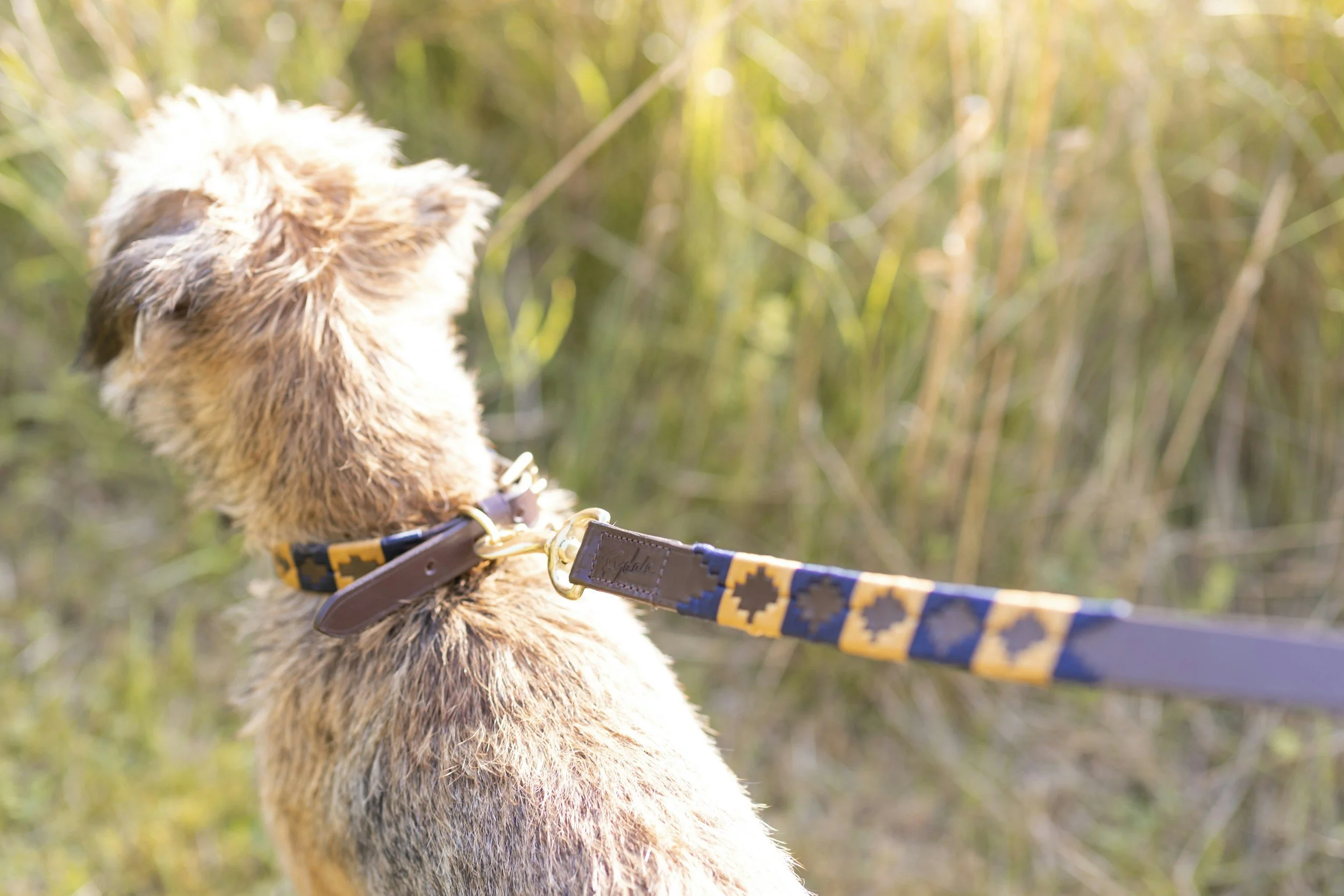
Why do dogs pull on the lead?
There isn't one universal reason why dogs pull. Different dogs can develop the same behaviour for very different reasons.
Some common contributing factors include:
Environmental distractions
The outside world is incredibly interesting to dogs. There are smells to investigate, people to watch, other dogs to observe and new environments to explore.
If your dog finds the environment more rewarding than engaging with you, it's understandable that they'll want to move towards whatever has caught their attention.
Lack of engagement
Some dogs haven't been taught that checking in with their handler is worthwhile.
If most of their walks involve following their nose, choosing their own direction and deciding when to stop, they may have little understanding of what is expected when walking alongside you.
Learned behaviour
Dogs repeat behaviours that have previously worked for them.
If pulling gets them closer to something they want to investigate, the behaviour can become reinforced over time.
Age and development
Adolescent dogs can become particularly challenging to walk as their confidence, independence and interest in their environment develop.
This is a stage where maintaining structure and consistency becomes especially important.
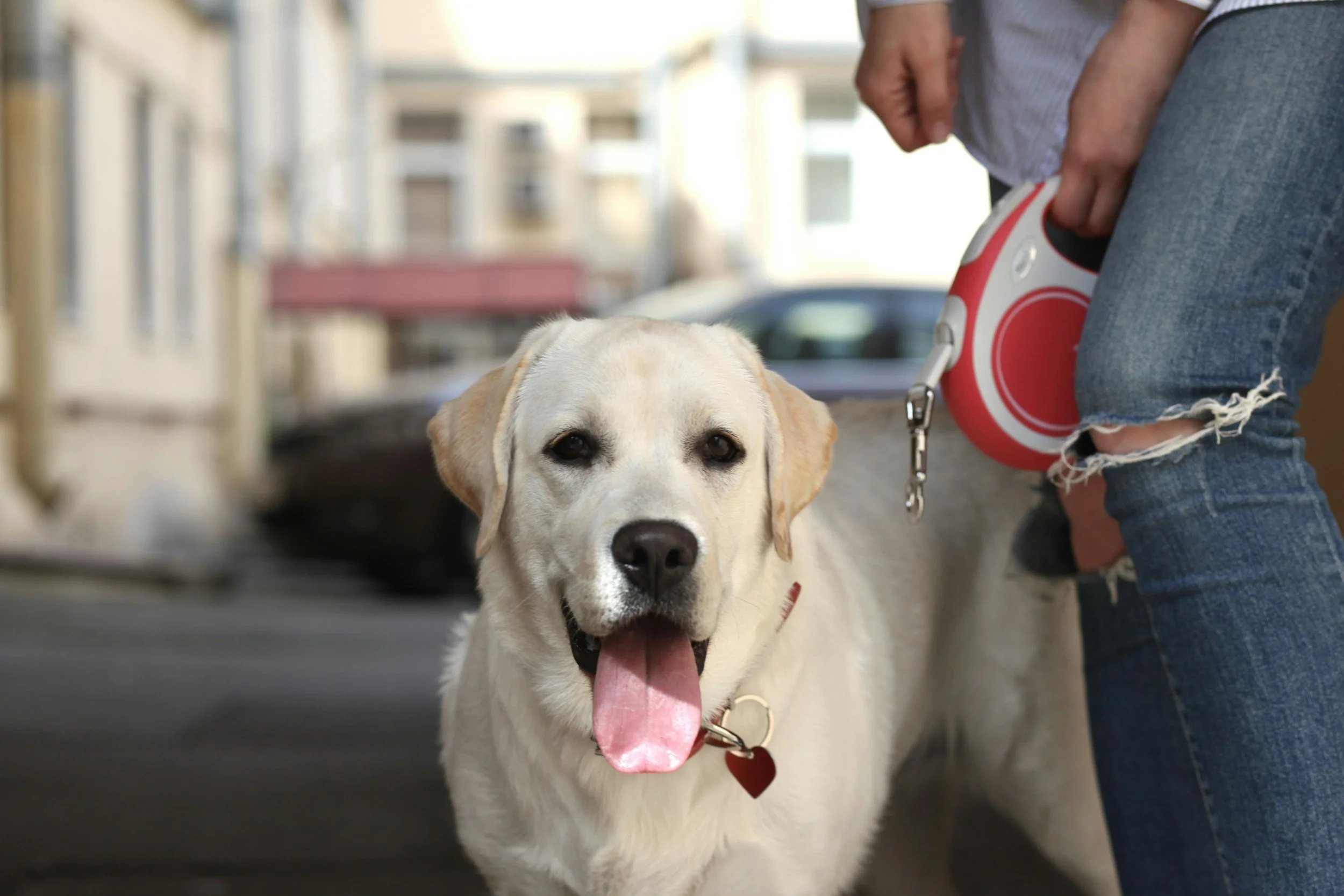
Why changing your dog's equipment isn't always the answer
There are plenty of products marketed to help with lead pulling, from front-clip harnesses to head collars and different types of leads.
Equipment can have a place in training and management, but it's important to understand that changing what your dog wears doesn't automatically teach them how to walk on a loose lead.
The underlying behaviour still needs to be addressed.
Your dog needs to understand what you're asking of them, how to respond to guidance and what appropriate lead walking looks like.
How to teach your dog to walk nicely on the lead
Loose lead walking is a skill that needs to be taught, practised and reinforced. Here are some foundations I'd recommend.
1. Build engagement before adding distractions
Before expecting your dog to walk nicely through a busy park or town centre, establish that they can engage with you in a quieter environment.
Use their regular food allowance to build positive associations with checking in, responding to their name and maintaining attention.
You want your dog to understand that interacting with you is worthwhile.
2. Introduce a structured heel
I like to teach a clear heel command so dogs understand when they're expected to walk alongside their handler.
This provides a predictable position and gives owners a practical way to navigate pavements, passing people and other situations where closer control is needed.
Start somewhere with minimal distractions and gradually build duration and difficulty.
3. Teach a break command
Just as important as teaching a dog when to walk alongside you is teaching them when they're free to explore.
I use a heel and break system to establish clear expectations.
Heel means it's time to walk with you and focus on the task. Break means they're free to relax, sniff and investigate within the boundaries you've established.
This distinction can make walks much easier to navigate.
4. Learn how to communicate through the lead
Lead handling is an important part of training.
Your dog needs to understand how to respond to appropriate guidance rather than simply feeling constant tension.
This takes practice from the handler too. Your timing, positioning and consistency all contribute to how clearly your dog understands what you're asking.
5. Gradually introduce distractions
Once your dog understands the foundations, start practising in more challenging environments.
Don't jump straight from a quiet training space into a busy high street and expect everything to work perfectly.
Build difficulty gradually, allowing your dog to develop reliability around the distractions they'll encounter during everyday walks.
Why consistency matters more than the occasional perfect walk
One of the biggest challenges with lead training is maintaining consistent expectations.
If your dog is expected to walk nicely for ten minutes during a training session but spends the rest of the week pulling wherever they want to go, it's going to be much harder to establish reliable behaviour.
This doesn't mean every walk needs to become a formal obedience session.
It means understanding when your dog is expected to follow your guidance and ensuring that the rules remain clear.
Training needs to become part of your everyday routine rather than something that only happens during lessons.
Need help with lead pulling?
At ASCENDK9, I work with dog owners across Harlow, Essex and Hertfordshire to develop better communication, engagement and practical obedience.
Whether you're starting with a young puppy or struggling with a dog that has spent years pulling on the lead, training should be tailored to the individual dog and the challenges you're experiencing.
Every new client begins with an Initial Assessment, where we can look at your dog's current behaviour, routine and training history before establishing the most appropriate next steps.